
Does Masturbation Lower Testosterone? The Short-Term Spike
This post contains affiliate links. As an Amazon Associate, we earn from qualifying purchases.
Masturbation does not lower testosterone in the long term. The evidence points to a short-term increase. Multiple studies show testosterone levels rise at or after ejaculation, returning to baseline quickly. The body’s hormonal system is designed to self-regulate, so a single act does not create a lasting deficit. The real causes of chronically low testosterone are age, lifestyle factors, and underlying health conditions.
That short-term spike is the key to understanding why the question gets confusing. Different studies measure hormones at different times, during arousal, at the moment of ejaculation, or ten minutes after, and that changes the number you see. A snapshot taken at the peak tells a different story than one taken an hour later. This is why the common query “does masturbation lower testosterone” requires careful interpretation of the timing.
What follows is a breakdown of what the peer-reviewed data actually says, where the studies disagree, and the practical implications for your energy, libido, and health. The short-term hormone changes, the evidence on abstinence, and how to tell if your symptoms suggest a hormonal issue for a doctor are explained.
Key Takeaways
- Masturbation triggers an acute hormonal spike, with studies showing testosterone, cortisol, and prolactin levels rising during arousal and at ejaculation.
- Testosterone levels return to baseline quickly, often within minutes, meaning there is no long-term lowering effect from the act itself.
- Research on abstinence is mixed; one older study found higher levels after three weeks, but this is not consistent and the practical benefit for health or performance is unproven.
- Clinically low testosterone (hypogonadism) is caused by factors like aging, obesity, chronic stress, or pituitary issues, not by masturbation frequency.
- If you are experiencing persistent fatigue, low libido, or mood changes, get a blood test instead of guessing, that is the only way to know your levels.
The Short-Term Hormone Spike (and Why It Matters)
The body does not respond to sexual arousal and orgasm with silence. It responds with a coordinated, temporary flood of hormones. This is a normal physiological event, not a sign of something broken.
A 1976 study in the Journal of Endocrinology found plasma levels of testosterone, cortisol, and several other steroids were “significantly increased after masturbation.” A control group that experienced psychological anticipation but did not complete the act showed no such changes, pointing to the physical climax as the trigger.
Think of it like a brief, intense workout for your endocrine system. Your heart rate and blood pressure jump transiently. Your nervous system releases a wave of chemicals. And your hormone-producing glands, the adrenals and testes, get a signal to dump some of their contents into the bloodstream. This is the spike.
The 2020 Andrologia study put a precise timer on it. Researchers measured levels in healthy men before, during, and after ejaculation. Testosterone rose significantly at the moment of ejaculation and returned to pre-ejaculation levels just ten minutes later. Cortisol and prolactin also rose and kept climbing for those ten minutes. The entire measurable event was over in a quarter of an hour.
| Hormone | Change During/After Ejaculation | Timeline to Baseline | What This Feels Like |
|---|---|---|---|
| Testosterone | Sharp increase at climax | ~10 minutes (per 2020 study) | That brief surge of energy and alertness post-orgasm |
| Cortisol | Gradual rise through and after | Longer return; part of stress-response | Can contribute to the “crash” or feeling of relaxation after |
| Prolactin | Steady increase, peaks after | Minutes to hours; induces satiety | The refractory period and feeling of satisfaction |
Why does this matter for the “does masturbation lower testosterone” question? Because if you only look at the spike, you might think masturbation raises testosterone. If you only look an hour later, you might think it does nothing. And if you misunderstand the biology, you might assume the spike depletes a finite reserve. It does not. The endocrine system is a dynamic feedback loop, not a gas tank. A transient increase does not create a subsequent long-term drop.
What About Abstinence? The NoFap Question
This is where the waters get muddy. The idea that abstaining from ejaculation allows testosterone to “build up” is a persistent one, often cited in online communities like NoFap. The scientific support for this is thin and contradictory.
One frequently cited study, a 2001 paper in World Journal of Urology, is the cornerstone of the abstinence argument. Researchers measured hormone levels during orgasm before and after a three-week period of abstinence. They found testosterone levels were higher after the three-week abstinence period when measured at the moment of orgasm.
That sounds conclusive. But here is the nuance. This study did not measure baseline, resting testosterone levels on a random Tuesday after three weeks of abstinence. It measured the acute response during an orgasm after a long build-up. The difference may be in the intensity of the spike, not the resting baseline. Also, a PubMed indexed arousal study on neuroendocrine response shows that arousal itself is a potent stimulus, which could be amplified after a period of deprivation.
Where this goes sideways: Assuming that a higher acute spike after abstinence translates to better daily energy, muscle growth, or mood. There is no research linking short-term abstinence to those real-world benefits.
Modern research complicates the picture. A 2021 pilot study in Basic Clinical Andrology compared masturbation, visual stimulus only, and a passive condition. It found that masturbation and visual stimulus seemed to counteract the natural circadian drop in free testosterone over the day. In other words, regular activity might help maintain a more stable hormonal rhythm, not deplete it.
The honest takeaway? The effect of abstaining from ejaculation on resting testosterone levels is unclear. The 2001 study is an outlier in methodology, and more recent, controlled research doesn’t support a simple “abstinence equals higher T” rule. Chasing a theoretical boost by denying yourself a normal biological function is a shaky strategy, especially when the proven benefits of sexual activity for stress relief and sleep are more consistent.
How Testosterone Actually Affects Libido and Energy
Testosterone’s relationship with desire is a two-way street. The hormone influences the drive, and engaging in the act influences the hormone. It is a feedback loop, not a one-way command.
For men, higher testosterone levels generally correlate with higher sexual desire. But it is not a simple on/off switch. A 2012 study noted that men reported higher desire than women, which the researchers suggested might be linked to their higher frequency of masturbation, not just their testosterone levels. The act can sustain the interest.
For women, the link is more specific. The same 2012 research found testosterone had a definite connection to masturbatory desire but a negative link to sexual desire with a partner. This highlights that testosterone is one player in a complex orchestra of psychological and physical factors.
Chronically low testosterone is a real issue for daily energy and mood. Symptoms include persistent fatigue, reduced lean muscle mass, irritability, and low sex drive. This is clinical hypogonadism. It is important to separate this medical condition from the normal, minute-to-minute fluctuations caused by masturbation.
If your energy is consistently low, ask a different question. Are you sleeping enough? Is your diet devoid of nutrients like zinc and vitamin D? Are you under chronic stress? These factors have a massive, proven impact on overall hormonal balance. Blaming a normal biological habit allows the real causes to go unaddressed.
The Real Causes of Low Testosterone (It’s Not What You Think)
Clinically low testosterone does not come from a healthy habit. It comes from systems under strain. Let us be clear: masturbation is not on the list of causes for hypogonadism.
The legitimate causes fit into a few categories:
- Age: Gradual decline after 30-40 is normal.
- Lifestyle: Obesity, excessive alcohol use, chronic sleep deprivation, and a sedentary lifestyle.
- Medical Conditions: Pituitary gland tumors, type 2 diabetes, liver or kidney disease, and genetic conditions like Klinefelter syndrome.
- Treatments: Chemotherapy, radiation, opioid pain medications, and steroid abuse.
Common mistake: Chasing a hormonal fix with supplements before checking foundational health. Correcting a sleep schedule or losing 15 pounds often moves the needle more than any bottle.
This is where my own experience aligns with the data. The standard advice for low energy is often to eat more or rest more. I did that for months with no change. It was only after I started tracking my numbers, sleep scores, diet, and eventually bloodwork, that I found patterns worth acting on. The fix was never one dramatic change. It was adjusting the basics my body was missing.
If you are worried about your levels, the solution is not to stop a normal activity. The solution is to investigate. Persistent absence might be a clue. Then, talk to a doctor. A simple blood test measuring free testosterone (the active form not attached to proteins) is a reliable way to know.
Masturbation Frequency: When Does It Become a Problem?
The question underneath the hormone talk is usually this: how much is too much? The hormonal system does not give a clear answer, because it is remarkably resilient. The psychology and life impact, however, provide better guidelines.
There is no magic number of times per week that crosses a medical line. The problem is not the act itself, but what it displaces. Compulsive behavior that interferes with work, relationships, or daily responsibilities is the issue, not the testosterone level. This is a behavioral and psychological concern, not an endocrine one.
Easy to miss: The difference between a high libido and a compulsive habit. One integrates into your life; the other starts to run it.
It is also worth separating this from the trend of “gooning” or prolonged, edging-focused sessions. The potential issue here is less about testosterone and more about conditioning your arousal response to unrealistic stimuli, which can affect real-world sexual function.
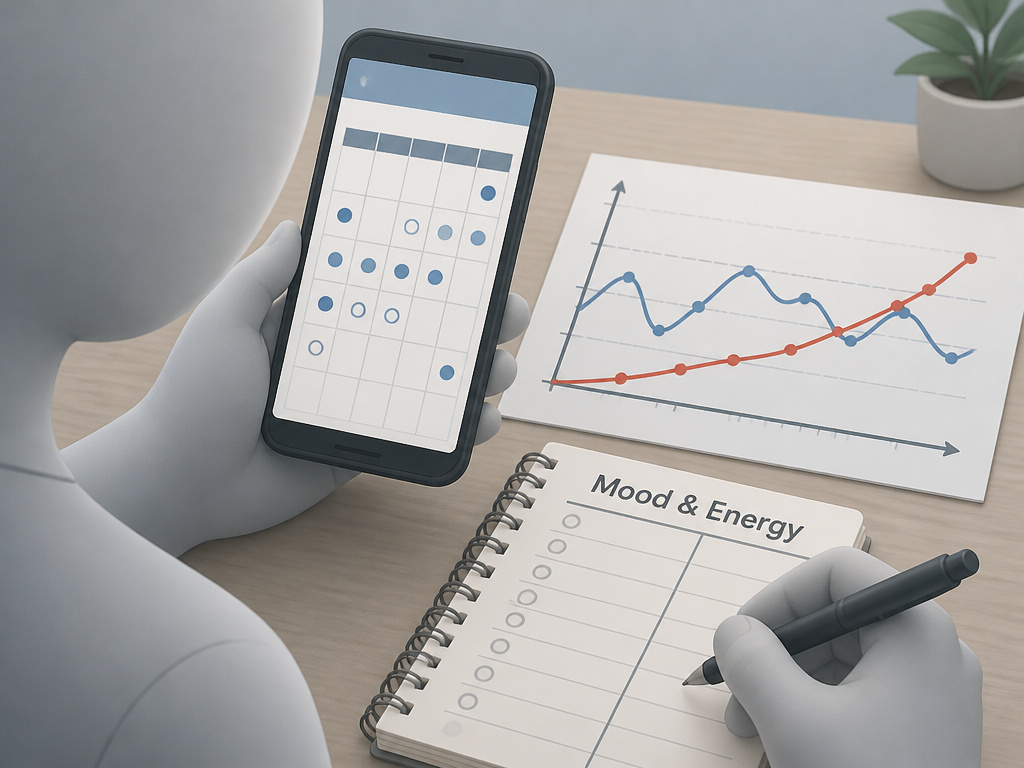
Start boring. If you are concerned about frequency, track it for a couple of weeks alongside your mood and energy. Does a pattern emerge where you are using it primarily to cope with stress or boredom? That is a signal to address the root cause, stress, lack of engagement, anxiety, not just the symptom.
What are the signs of low testosterone?
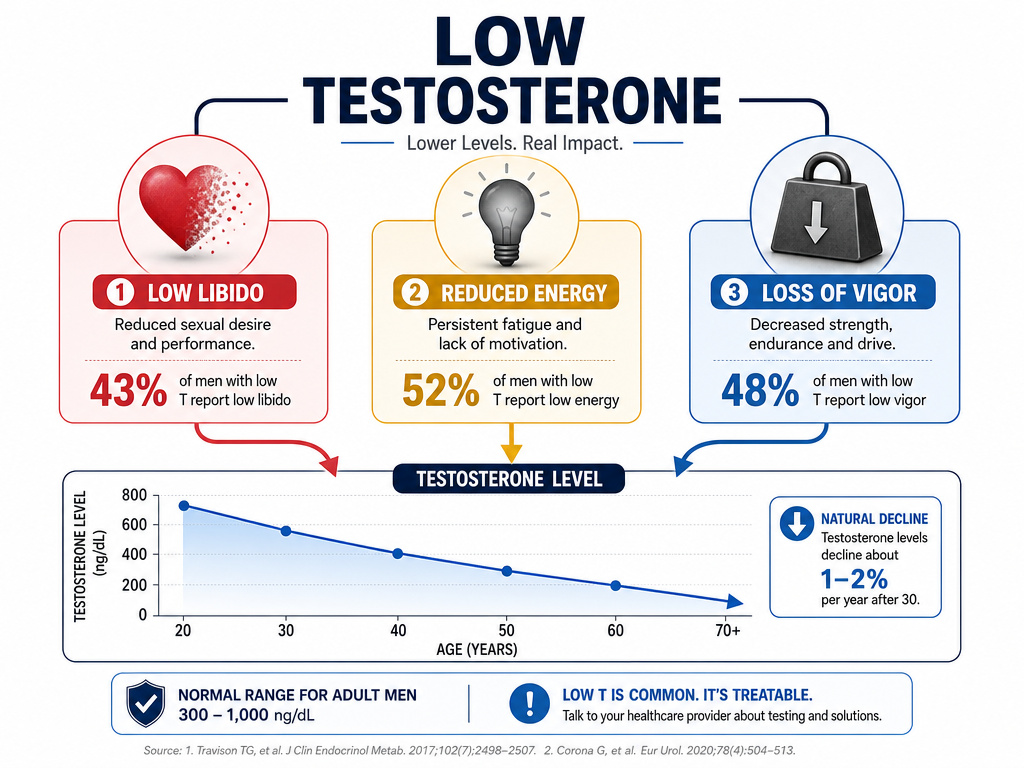
Clinically low testosterone is a medical condition with specific symptoms. These are not the temporary fluctuations from daily activities like masturbation, but a persistent state. The common signs include a noticeable reduction in lean muscle mass, persistent fatigue that doesn’t improve with rest, and mood disturbances such as irritability or low mood. It also often manifests as erectile dysfunction and a consistently low sex drive. If you are experiencing a cluster of these symptoms over time, it is a health issue worth discussing with a doctor. They can perform tests and, if needed, discuss treatment options like testosterone replacement, which is known to improve muscle strength.
Does masturbation hurt muscle gains or athletic performance?
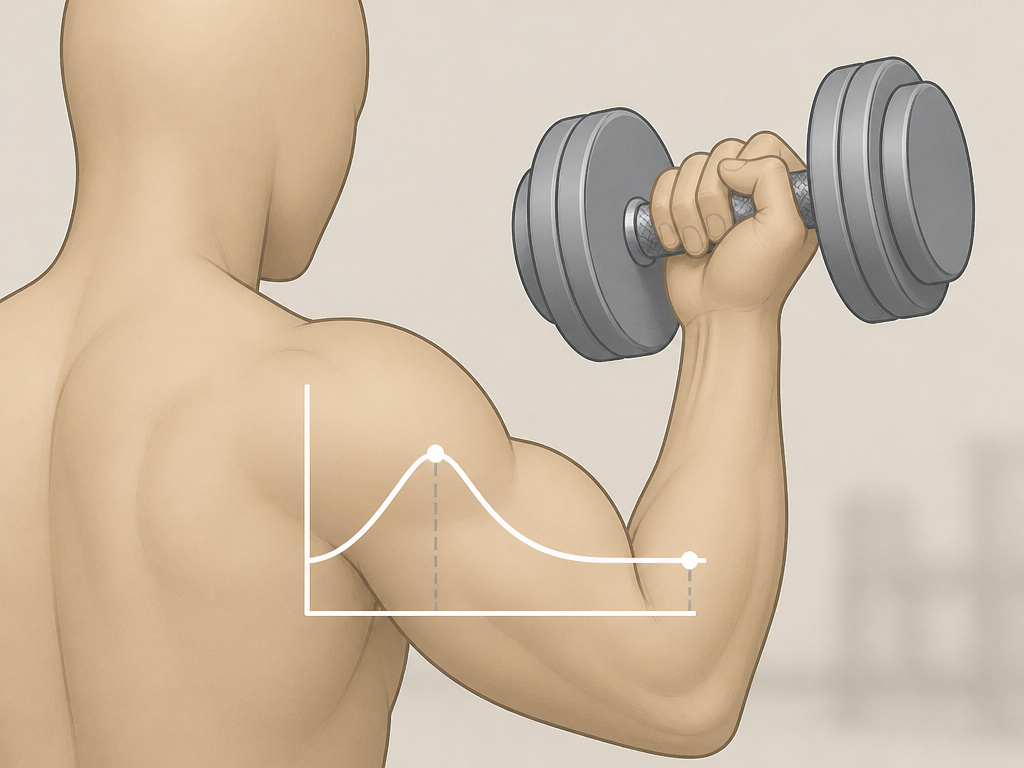
The idea that masturbation lowers testosterone and thus harms athletic performance is not supported by the science behind the does masturbation lower testosterone claim. Research shows masturbation does not have any long-lasting effects on testosterone levels. In fact, some studies indicate it can cause a short-term increase in testosterone at the moment of orgasm, with levels returning to baseline shortly after. A lack of recent scientific research supports the theory that abstinence before sports provides any benefit. Since consistent training and recovery are the primary drivers of muscle building, there is no evidence that typical masturbation habits interfere with this process or overall athletic performance.
What about prolonged masturbation or ‘gooning’?
Trends like ‘gooning,’ which involve prolonged masturbation sessions, focus on an extreme and drawn-out experience. The available hormonal research looks at typical masturbation leading to orgasm. In those cases, studies show transient increases in hormones like cortisol and prolactin during and after the act, with testosterone spiking at ejaculation and then quickly normalizing. There is no specific research on the hormonal effects of these prolonged, edging-focused practices. Practically, any activity taken to an extreme that interferes with daily life, sleep, or responsibilities can become problematic, regardless of its impact on a single hormone. The key is moderation and self-awareness.
Frequently Asked Questions
Does ejaculating a lot lower testosterone?
No, frequent ejaculation does not lead to chronically lower testosterone. The body’s production mechanisms keep pace with demand. While each event causes a short-term spike followed by a return to baseline, it does not depress your overall hormonal set point.
Is it bad to masturbate every day?
From a hormonal and physical health perspective, no, daily masturbation is not inherently bad. The “bad” would stem from it becoming a compulsive behavior that disrupts your life, causes distress, or replaces intimate partnership if that is something you desire. Listen to your body and your life, not an arbitrary rule.
Does not ejaculating for 7 days boost testosterone?
The evidence is mixed and likely insignificant for real-world function. An older 2001 study noted a higher acute testosterone spike during orgasm after three weeks of abstinence. However, more recent research has not shown that a week of abstinence raises your resting, baseline testosterone in a meaningful way that improves strength, mood, or vitality.
Does masturbation cause erectile dysfunction or premature ejaculation?
Masturbation itself is not a direct cause of premature ejaculation or erectile dysfunction (ED). In fact, understanding your own arousal through masturbation can help with ejaculatory control. The mechanism is psychological, not hormonal.
Before You Go
The data is clear on one point: masturbation does not lower your testosterone. The conversation should shift from fear of depletion to understanding a normal physiological process.
If you take one action from this, make it this: before you spend a dollar on a “testosterone booster” or radically change your habits out of worry, get objective data. A single blood test is more valuable than a thousand online opinions. It tells you whether you are dealing with a clinical issue or the normal anxiety of being human.
The bottom line? Your hormones are robust. Focus on the proven foundations, sleep, nutrition, stress management, and physical activity, and let your body handle the rest.
