
How to Reduce Water Retention on TRT: Step-by-Step
This post contains affiliate links. As an Amazon Associate, we earn from qualifying purchases.
To reduce water retention on TRT, you need a three-part plan: manage estrogen conversion, adjust your sodium and potassium balance, and ensure your dose and hydration are correct. Bloating is often a temporary side effect as your body adjusts to new hormone levels, but persistent puffiness, especially in the face and hands, can signal high estrogen or a dose that’s too high for you.
That adjustment period is where most of the confusion lives. Your body is literally holding onto more fluid as a side effect of the therapy itself, not just from estrogen. The goal isn’t to panic and drop your protocol, but to methodically rule out the common triggers, which is a key part of learning how to reduce water retention on TRT.
What follows is a practical, phased action plan. This plan explains the mechanisms, what to adjust in your first month, which supplements have evidence, and when to talk to your doctor about your TRT dose.
Key Takeaways
- Manage sodium and potassium first. Cut processed sodium and add dietary potassium; this can help correct the fluid-balance shift TRT can cause.
- Estrogen is the usual suspect. If bloating persists after 2-3 weeks, get an estradiol (E2) test; high conversion may require a protocol tweak or a low-dose aromatase inhibitor.
- Differentiate fluid from fat. TRT-related water weight causes a puffy look and rapid scale shifts (+3-5 lbs in days); fat gain is slower and more distributed.
- Injections often cause more initial retention than gels. The sharper hormone spike from shots can lead to more pronounced fluid shifts, which usually stabilize.
- Give it 4-6 weeks. Initial water retention is common as your body adapts; making multiple changes at once makes it impossible to know what worked.
Why TRT Causes Water Retention (It’s Not Just Estrogen)
The scale jumps up five pounds in a week. Your rings feel tight. That puffy look in the mirror isn’t fat—it’s fluid. This happens because testosterone influences two primary systems: renal function and estrogen conversion.
Testosterone tells your kidneys to retain more sodium. More sodium in your bloodstream pulls water into your tissues. It’s a basic, direct osmotic effect. At the same time, a portion of your new testosterone converts to estrogen via the aromatase enzyme. Higher estrogen also promotes sodium and fluid retention. So you get a double hit from the hormone itself and its metabolite.
Common mistake: Blaming every pound on estrogen. While high estrogen is a prime cause, the initial sodium-driven retention from the testosterone itself can account for the first 2-3 weeks of bloating before your body adjusts.
This is why the how to reduce water retention on trt question arises even for men with perfectly controlled estrogen levels. The body’s initial response to a new hormonal baseline is to hold water. It’s often temporary. The problem starts when this retention doesn’t subside, which typically points back to sustained high estrogen or a dose that’s simply too high for your individual metabolism.
The 3-Step Action Plan for Your First Month
Throwing supplements at the problem or drastically changing your protocol on day three is a reaction, not a plan. This sequence isolates variables so you know what’s working.
Week 1: Lock Down Sodium & Potassium.
Forget drinking more water for a second. If your electrolyte ratio is off, the water has nowhere to go. Track your sodium intake for three days. If your sodium intake from processed foods is high, aim to reduce it. Simultaneously, aim to increase your dietary potassium intake. Foods like bananas and spinach are good sources of potassium. This one dietary shift can drop noticeable puffiness within a week by rebalancing the cellular fluid pump.
Week 2-3: Assess and Hydrate.
After adjusting electrolytes, add deliberate hydration. Ensure you are drinking ample water daily to support kidney function. This supports kidney function to flush the excess sodium you’re now releasing. By the end of week three, initial hormone-driven retention should be easing. If you’re still puffy, it’s time to look at estrogen.
Week 4: Test, Don’t Guess.
Schedule a follow-up blood test for estradiol (E2). Don’t rely on symptoms alone. If your E2 is above your clinic’s reference range, you have a data point for your doctor. This is when a discussion about a slight TRT dose reduction or adding an aromatase inhibitor like anastrozole becomes relevant, not before.
Estrogen Management: Your Primary Lever
When potassium adjustments aren’t enough, estrogen is almost always the culprit. High estrogen causes a specific kind of bloating—soft, puffy retention in the face, hands, and lower belly. You might also notice mood swings or tender nipples.
The fix isn’t always an aromatase inhibitor (AI). The first step is to review your protocol. More frequent, smaller injections (e.g., switching from once weekly to twice weekly) can minimize the peak testosterone levels that convert to estrogen. If you’re on gels, ensure proper application to avoid transferring to others, which can unpredictably alter your absorption.
If your estradiol is high and protocol adjustments don’t help, a low-dose AI like anastrozole (0.25mg twice weekly) can be effective. But treat it as a precision tool, not a staple. Chronic AI use can crash your estrogen, which brings its own set of problems like joint pain and low mood.
The goal of estrogen management is balance, not elimination. You need some estrogen for bone health, libido, and cognitive function. The bloating is a sign that your balance is off.
Supplements That Actually Help (And One That’s Overrated)
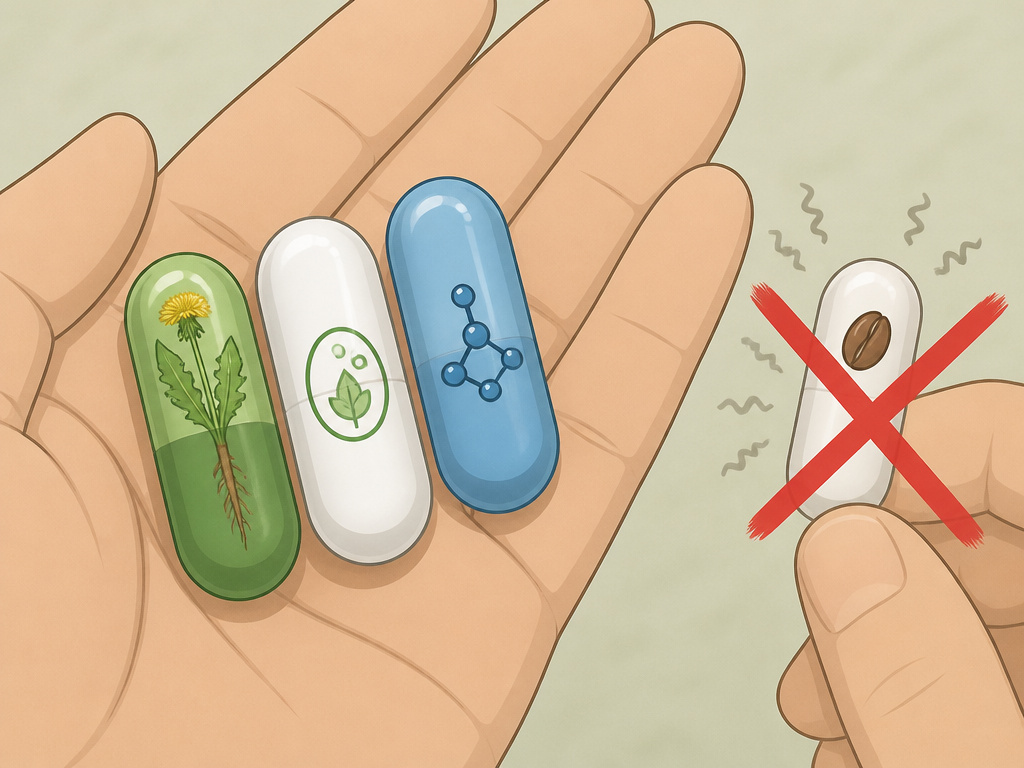
You can support your body’s fluid balance with specific supplements. Think of them as aids, not solutions. They work within the framework of the action plan above.
| Supplement | Form & Typical Dose | How It Helps with Retention | Timeline for Effect |
|---|---|---|---|
| Dandelion Root | Extract, 500-1000mg daily | Mild natural diuretic; supports kidney function to excrete sodium and water. | 3-7 days for noticeable reduction in puffiness. |
| Potassium | Citrate or Gluconate, 99mg capsules (diet first) | Directly counteracts sodium’s fluid-pulling effect; rebalances cellular pumps. | 1-3 days when correcting a deficiency. |
| Magnesium Glycinate | 200-400mg before bed | Improves cellular hydration status; deficiency can exacerbate fluid retention. | 1-2 weeks for full effect on cellular balance. |
The overrated one? Pure caffeine diuretics or “water pills.” They force fluid loss, which can dehydrate you and spike cortisol, potentially worsening the underlying hormonal imbalance. They’re a short-term mask, not a fix.
A quality natural diuretic like dandelion is gentler. For a more targeted stack, some water weight supplements combine dandelion, magnesium, and potassium. Check the label—the dose of each ingredient should be listed, not hidden in a proprietary blend.
Injections vs. Gels: Does Delivery Method Matter?
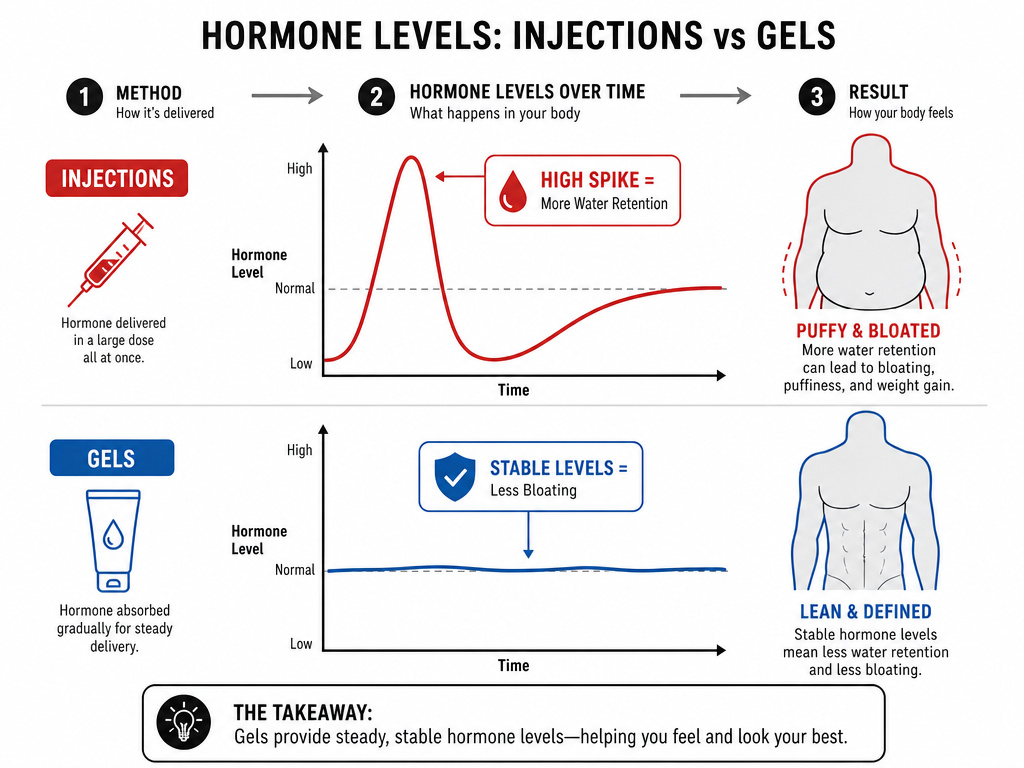
Yes, and it’s a gap most discussions miss. The delivery method changes the hormone curve, which impacts water retention.
Testosterone injections create a sharp peak in hormone levels shortly after the shot. This spike can drive more pronounced aromatization (conversion to estrogen) and a stronger renal signal to retain sodium, leading to a cycle of bloating post-injection that then improves until the next dose. It’s why some men feel puffy for 2-3 days after their shot.
Gels provide a more stable, daily absorption curve. There’s no big spike, so the estrogen conversion and sodium retention signals are often less dramatic. The trade-off is daily application and potential transfer risk.
Where this goes sideways: Switching from gels to injections because you “heard it’s better” and not expecting the initial water weight shift. The first month on injections often comes with more noticeable bloating as your body adapts to the new pharmacokinetics.
If you’re on injections and struggling with persistent bloating, a key part of how to reduce water retention on trt is to ask your doctor about increasing injection frequency before anything else. It’s a simpler fix than adding medications.
When to Be Concerned: Beyond Simple Bloating
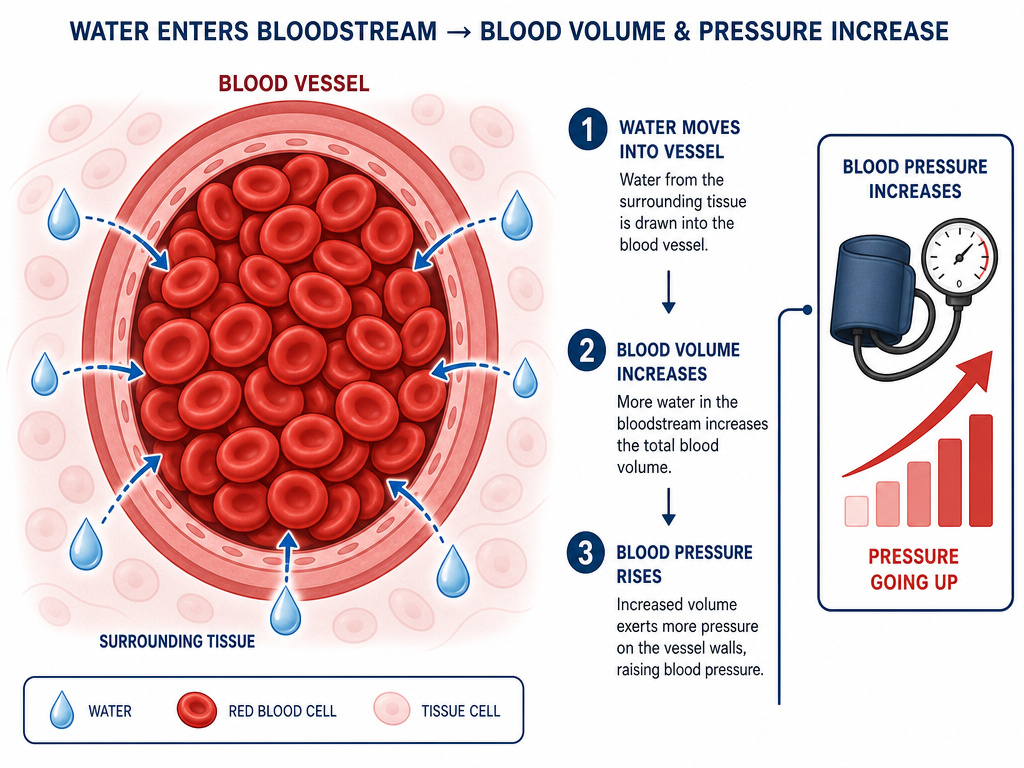
Water retention is usually benign, but on TRT it can be a flag for two more serious issues: rising blood pressure and elevated hematocrit.
Testosterone can stimulate red blood cell production. As hematocrit rises, your blood gets thicker. This can increase blood pressure, and your body may respond by retaining fluid to try to dilute the blood. It’s a protective, but problematic, mechanism. If your bloating is accompanied by headaches, dizziness, or shortness of breath, it’s urgent.
Stop and call your doctor if: Bloating is sudden and severe, especially in the ankles or legs, or if you have simultaneous headache and high blood pressure readings. This could point to high hematocrit or a significant blood pressure issue.
Monitoring is key. Your TRT clinic should be checking your hematocrit and blood pressure regularly. Bloating that won’t quit, despite diet and estrogen control, is a reason to move up your next blood draw.
How Body Fat Affects Water Retention on TRT
Your body fat percentage directly influences how you handle water on testosterone therapy. Higher body fat, particularly visceral fat, increases the activity of the enzyme aromatase. This enzyme converts testosterone into estrogen, and elevated estrogen levels are a primary driver of fluid retention. A leaner body composition typically results in lower baseline estrogen and less aromatase activity, which can significantly reduce the tendency to hold water. While managing your TRT protocol is key, improving your body composition through diet and exercise provides a foundational, long-term strategy for minimizing this common side effect by addressing one of its root hormonal causes.
Frequently Asked Questions
How long does water retention last on TRT?
Initial water retention is often temporary as your body adapts to the new hormone levels. If it persists beyond two months, it’s likely tied to a sustained issue like high estrogen, a high dose, or poor electrolyte balance, and needs addressing.
What is the fastest way to flush water retention?
The fastest safe way is to combine a high-potassium, low-sodium diet with ample hydration and a supplement like dandelion root extract. Avoid harsh OTC diuretics, as they can dehydrate you and disrupt electrolytes further, complicating the underlying TRT balance.
Does water retention mean my TRT dose is too high?
Not necessarily. Initial retention is common. However, persistent bloating, especially with other symptoms like sleep disturbances or high blood pressure, is a strong signal that your TRT dose may be too high for you and needs reevaluation with a blood test.
Can TRT cause weight gain or just water weight?
TRT can cause both. The rapid weight gain (3-10 lbs in weeks) is typically water weight. Actual fat gain is slower and relates to increased appetite and potential lifestyle changes. Differentiating them is crucial—water weight is soft and puffy, fat is more solid and distributed.
The Bottom Line
Start with the basics you control: sodium, potassium, and water. Give that simple triad a full month to work before you touch your protocol. Most early TRT weight gain is fluid, and it often resolves on its own.
If the puffiness stays, let a blood test for estradiol guide you, not anxiety. A minor dose adjustment or injection frequency change can solve what weeks of supplement guessing cannot.
Remember, the goal of TRT is to feel better, not puffy. If you’ve followed a clear plan for 6-8 weeks and the scale or the mirror still shows a problem, that’s your concrete data point for a focused conversation with your doctor. That’s how you manage the side effect without losing the benefits.
