
10 Best Vitamins For Breastfeeding in 2026
This post contains affiliate links. As an Amazon Associate, we earn from qualifying purchases.
Our best overall vitamin for breastfeeding is Pure Encapsulations PreNatal Nutrients, which provides a strong hypoallergenic foundation with key nutrients like iron and choline. We also highlight the Thorne Basic Prenatal for sensitive stomachs and the MegaFood Baby & Me 2 Postnatal for lactation-specific support. Choosing the right supplement can help fill nutritional gaps while your body recovers and produces milk. This research-based guide compares ten leading options on key criteria like iron form, DHA inclusion, and lactation herbs to simplify your search.
Top 10 Vitamins for Breastfeeding in the Market
Certain content that appears on this site comes from Amazon. This content is provided "as is" and is subject to change or removal at any time.
The Best Vitamins for Breastfeeding, Reviewed
Pure Encapsulations PreNatal Nutrients
What We Like
- Contains 100 mg choline for fetal brain support
- Includes 27 mg of iron for physiological demand
- Uses premium, allergen-free ingredients
- Comprehensive vitamin and mineral blend
Trade-offs
- No DHA included
- Contains no lactation herbs
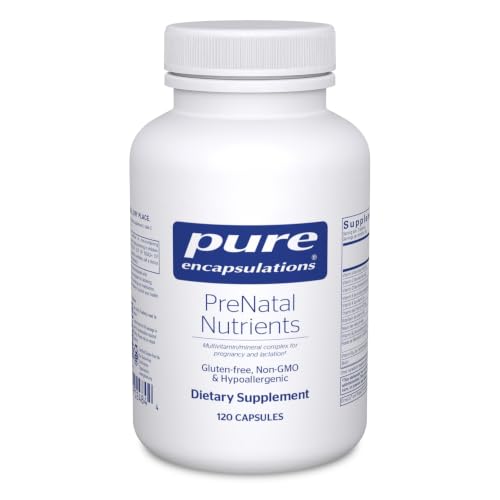
Pure Encapsulations PreNatal Nutrients provides 27 mg of iron per serving, a substantial amount to help meet the increased demand during pregnancy and lactation. Its formula includes 100 mg of choline and the active folate Metafolin L-5-MTHF, which are intended to support fetal development and maternal energy. The product is free from common allergens and GMOs, offering a comprehensive baseline for those seeking a clean-label multivitamin.
Its designation as a prenatal and lactation formula means it does not contain specific lactation herbs or higher levels of DHA found in some dedicated postnatal supplements. For individuals whose primary goal is to enhance breast milk production with herbal support, a more targeted postnatal product may be preferable.
Product photos
Thorne Basic Prenatal

What We Like
- Iron picolinate is non-constipating
- Bioactive folate requires no conversion
- NSF certification ensures ingredient purity
- Designed to reduce stomach upset risk
Trade-offs
- Capsule format may be less convenient than a gummy
- 90-capsule supply requires more frequent reordering
The Thorne Basic Prenatal uses iron picolinate and bioavailable folate, a formulation specifically chosen to be gentle on digestion. For a nursing mother whose stomach rebels at the mere thought of a standard prenatal, this is the primary consideration. It strips away extras like DHA to focus on a core, well-absorbed multivitamin that gets the job done without the common side effects. The NSF Certified for Sport mark is a dry understatement of quality control, meaning what’s on the label is actually in the capsule.
The trade-off is in the omissions. It’s a focused tool, not a complete kit. The 90-capsule count also means you’re buying bottles more often than with some 120-count competitors. This is for the person who values predictable absorption and a calm stomach above all else, and is willing to source other nutrients separately if needed.
MegaFood Baby & Me 2 Postnatal
What We Like
- Doctor-formulated with methylated folate and choline
- Includes moringa leaf for lactation support
- Can be taken on an empty stomach
- Non-GMO, vegetarian, and gluten-free
Trade-offs
- Two tablets per serving is a larger daily dose than single-capsule options
- Bottle dimensions of 5.9 inches tall is bulkier than many competitors
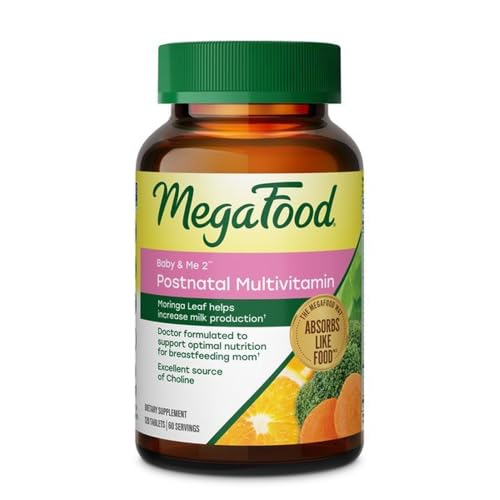
A doctor-formulated postnatal multivitamin designed explicitly for breastfeeding nutrition sets this product apart. It targets nutrient recovery and lactation support with a thoughtful blend of methylated folate, choline, and iodine, which are critical for a nursing mother’s depleted reserves. The inclusion of moringa leaf and real food ingredients aims to provide holistic support. This is a strong candidate for the vegetarian or allergen-conscious mom who prioritizes a comprehensive, targeted formula and doesn’t mind a two-tablet routine.
Designed specifically for breastfeeding mothers, this postnatal formula provides targeted nutrients like methylated folate and choline to support lactation and recovery. The regimen requires two tablets per serving, a detail to note for those comparing daily pill counts. Its bottle stands 5.9 inches tall, a height that could be a consideration for shelf space among other supplements. The product is formulated without nine major allergens and is vegetarian, catering to those with dietary restrictions.
Pink Stork Total Postnatal

What We Like
- Postpartum-specific vitamin and mineral doses
- Vegan algae DHA avoids fishy aftertaste
- Methylated folate for efficient absorption
- Third-party tested for purity and potency
Trade-offs
- Two capsules per day may be inconvenient
- Small 60-count bottle requires monthly reorder
A 200 mg dose of vegan algae DHA is the core fact here, meaning you get the nervous system support without the fishy burps common in other postnatal vitamins. This formula is built for the person who needs a clean, plant-based option and values a brand that recalibrates its multivitamin for the postpartum window rather than repurposing a prenatal. The methylated folate and gentle chelated iron are deliberate choices for absorption, which matters when you’re rebuilding nutrient stores depleted by pregnancy and breastfeeding. It suits someone whose priority is a vegan-friendly, third-party-tested supplement from a women-focused brand.
Taking two capsules daily means finishing a bottle every month, which requires consistent repurchasing. The formula is built specifically for postpartum and lactation needs, not generic adult doses, so its vitamin and mineral percentages are calculated for that recovery window. For a vegan mom strictly avoiding fish and prioritizing a postpartum-specific profile, these are acceptable trade-offs.
Product photos
Perelel Mom Multi Postnatal

What We Like
- Clean Label Project certified for contaminants
- Doctor-founded formulation for postpartum needs
- Includes cognitive and skin/hair nutrient blends
Trade-offs
- 30-day supply is a shorter duration than some bulk options
- Multi-capsule daily pack format, not a single pill
The curated 30-day pack of separate capsules consolidates a full postpartum regimen into one daily pouch, which removes the guesswork for a new mother managing multiple bottles. This design suits anyone who values a clean, doctor-formulated routine and wants cognitive and aesthetic support bundled with core postnatal nutrients. It’s a logical fit for someone prioritizing a comprehensive, contaminant-tested protocol over sourcing individual supplements.
The container stands over seven inches tall, which makes it larger than many comparable 30-day vitamin bottles like Thorne’s Basic Prenatal. This size accommodates a month’s supply of individual daily pill packs rather than a single bottle of loose capsules. For shoppers valuing an all-in-one daily packet, the size is a functional trade-off, but those who prefer a compact bottle of single pills might find it takes up more shelf space.
Flower Child Breastfeeding Gummies

What We Like
- Gummy format is easy and enjoyable to take daily
- Fenugreek-free, plant-based formula designed for gentle digestion
- Includes choline and DHA for maternal and infant brain support
- Provides organic herbal blend targeted for lactation support
Trade-offs
- No iron content listed, a common postpartum nutrient
These gummies combine lactation-supporting herbs like organic moringa and milk thistle with brain-building choline and DHA, delivering targeted support for milk supply and infant development in a single daily dose. Their 60-count, fenugreek-free format turns a postnatal vitamin into a pleasant routine, ideal for anyone who prefers a tastier, easier-to-take option over swallowing pills. The plant-based formula avoids common allergens, offering a clean choice for vegan or sensitive diets during the demanding postpartum period.
The gummy format prioritizes ease and taste, which can mean a lower potency per volume compared to capsule-based competitors like Thorne Basic Prenatal. Its blend focuses on herbal lactation support and specific nutrients like DHA, but it lacks listed iron content, a mineral critical for postpartum recovery found in many other postnatal multis. This makes the product a strong match for nursing mothers seeking a gentle, fenugreek-free herbal approach, while those needing comprehensive mineral replenishment may require an additional supplement.
Product photos
Mama Natural Organic Postnatal

What We Like
- Certified Organic whole food formula
- Convenient one-a-day dosage
- Includes iodine for thyroid support
- Features moringa for lactation support
Trade-offs
- Only 30 servings per container
- No DHA or omega-3 fatty acids included
A Certified Organic, one-a-day formula is the main draw here, offering a clean, simplified routine for moms prioritizing organic sourcing in their postpartum recovery. It’s tailored for the nursing phase with specific inclusions like iodine for metabolic function and moringa, a traditional lactation herb. This makes it a straightforward pick for someone who wants a trusted organic stamp and doesn’t want to juggle multiple pills.
Mama Natural Organic Postnatal provides just 30 servings per bottle, requiring a monthly reorder that can be inconvenient for a new parent. Its formula is a focused organic multivitamin, not a comprehensive stack, and it lacks certain targeted nutrients like the omega-3 DHA included in the Pink Stork Total Postnatal.
Ritual Postpartum Essentials
What We Like
- Fully traceable ingredient sourcing
- Innovative nested capsule for nutrient separation
- Rigorous third-party testing for purity
- Vegan and free of major allergens
Trade-offs
- Smart capsule design may be unfamiliar to some
- One flavor option (Mint) limits choice
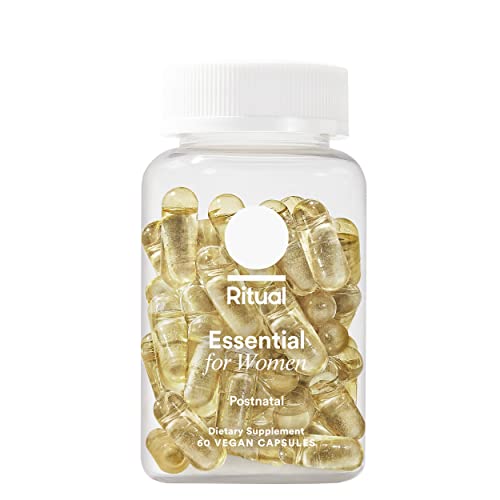
A 350mg dose of Omega-3 DHA from microalgae directly supports infant brain development, a critical target for lactating mothers. This product suits the skeptical tinkerer who trusts verification over vibes, with its Non-GMO Project certification and transparent, country-by-country ingredient sourcing. The nested capsule technology is a thoughtful engineering choice, keeping fat- and water-soluble nutrients separated until they reach the ideal absorption site in the small intestine.
Ritual’s formula focuses on 15 key nutrients for the postpartum period and lactation, which means it may not replace a more comprehensive multivitamin stack for some mothers. Its strength lies in a transparent supply chain, detailing ingredient origins like Vitamin D3 from UK lichen and Omega-3 DHA from Nova Scotian microalgae, so you know exactly where components are sourced. This makes it a premium choice for those who prioritize traceability and the science of nutrient delivery.
Milkies Nursing Postnatal Supplement

What We Like
- High-potency Vitamin D and B-complex for energy
- Clean, allergen-friendly formula without artificial preservatives
- Simple two-capsule daily regimen
- Backed by a brand with two decades of development
Trade-offs
- One-month supply requires more frequent reordering than bulk options
A formula delivering 2800 IU of Vitamin D and over 200% of the daily value for B vitamins directly targets the energy drain that can accompany breastfeeding. This makes it a straightforward, no-frills choice for a mother who wants core nutritional support without a complex ingredient list. It suits someone prioritizing a clean, vegetarian supplement from a long-established brand, and who appreciates the simplicity of a two-capsule routine.
This formula provides a focused multivitamin and mineral base rather than the broader range of ingredients found in some competitors. For example, unlike the Pink Stork Total Postnatal, it does not include added omega-3 DHA, a nutrient some may want for fetal brain development. It serves as a competent nutritional foundation, but you would need to source additional supplements separately if you want those specific extras.
Product photos
GOBIOTIX Postpartum Vitamins
What We Like
- Clean, gentle-on-stomach, vegetarian formula
- Includes broad spectrum of vitamins A through K
- One-month supply of 60 capsules
Trade-offs
- One-month supply requires more frequent reordering
- Herbal blend specifics lack detailed breakdown
- Uses vitamin D2 instead of potentially more bioavailable D3
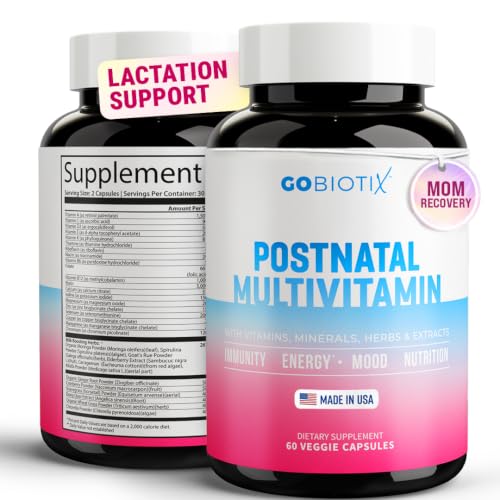
The formula leans heavily on moringa leaf, an organic herb promoted to double milk supply, which makes it the standout choice for mothers specifically seeking a botanical boost alongside their core nutrients. It suits the breastfeeding mom who prefers a plant-centric, clean-label supplement and values the potential lactation benefits of herbs over a purely scientific formulation. The broad vitamin spectrum, including a substantial 1000 mg of B-12, aims to cover energy and mood support gaps that can appear postpartum.
The trade-off is in the transparency of that herbal blend. While it lists moringa, the exact amounts and ratios of other herbs aren’t specified, which is a notable contrast to a product like Thorne Basic Prenatal, where every ingredient’s quantity is clearly listed. You’re choosing a potential herbal synergy over precise, measurable dosing. For a skeptic who trusts bloodwork over marketing, this requires a conversation with a doctor to see if the promised benefits align with your individual needs.
Product photos
How We Evaluated Vitamins for Breastfeeding
Our evaluation is based on a review of product specifications, manufacturer documentation, expert round-up analyses, and patterns in owner feedback. We focused on criteria critical for the postpartum period: the inclusion and form of iron for recovery, the presence of omega-3 DHA for infant development, and the use of lactation-supporting herbs or targeted postnatal blends.
We prioritized formulas that address the distinct nutritional demands of breastfeeding, which differ from pregnancy. This meant looking for appropriate iron levels, methylated folate for efficient absorption, and whether a product was designed to be gentle on a recovering digestive system. We also noted certifications for purity and allergen-free claims.
It is important to note that this guide relies on product specifications and third-party certifications as indicators of quality. Always discuss any new supplement with your healthcare provider, especially if you have specific health concerns or conditions.
What To Look For In Vitamins for Breastfeeding
Postpartum nutrition supports both maternal recovery and milk production. A targeted supplement can help meet increased demands for certain nutrients.
Look for adequate iron, the right form of folate, and consider if you want included DHA or lactation herbs. Check for third-party testing and a formula designed for gentle digestion.
Iron Form and Amount
Iron needs can be high postpartum, especially after significant blood loss, but the form matters for tolerance. Look for iron bisglycinate or iron picolinate, which are often better absorbed and less likely to cause constipation than other forms like ferrous sulfate. Our top picks include formulas with 27 mg of iron and others specifically noted for using a gentle, non-constipating form. If you are not iron-deficient, a lower dose may be sufficient.
Folate and Other B Vitamins
Folate is crucial, but its form affects how well your body uses it. Seek out methylfolate or 5-MTHF, the bioactive forms that don’t require conversion, which is especially important for individuals with a common genetic variation. A comprehensive B-complex also supports energy levels, which can be depleted during new motherhood. Many postnatal formulas highlight their use of methylated folate.
DHA and Lactation Support
Docosahexaenoic acid (DHA) is an omega-3 fatty acid important for infant brain and eye development. Some supplements include a vegan source from algae or fish oil. Others omit it, allowing you to choose a separate DHA supplement. For lactation support, some formulas add herbs like moringa or fenugreek-free blends, while others focus solely on core vitamins and minerals. Your choice here depends on whether you want an all-in-one product or prefer to tailor these components separately.
- Check if the serving size is one pill or requires multiple capsules daily.
- Look for third-party certifications (NSF, Clean Label Project) for purity verification.
- Confirm the formula is free from allergens you need to avoid (e.g., gluten, dairy).
- Review whether the supply lasts 30, 60, or 90 days to gauge value.
- Consider if you prefer a gummy, capsule, or tablet format for consistency.
A postnatal vitamin should complement, not replace, a balanced diet rich in vegetables, fruits, whole grains, and healthy proteins.
Vitamins for Breastfeeding Compared
The table below provides a detailed side-by-side comparison of all ten products across these essential features.
| Product | Key Nutrients | Form | Allergen/Dietary Status | Supply (Capsules/Tablets) |
|---|---|---|---|---|
| Pure Encapsulations PreNatal Nutrients | 27 mg iron, 1 mg Metafolin L-5-MTHF, 100 mg choline | Capsule | Gluten-free, non-GMO | 120 capsules |
| Thorne Basic Prenatal | Active folate, choline, iron | Capsule | Gluten, dairy, soy-free | 90 capsules |
| MegaFood Baby & Me 2 Postnatal | Methylfolate, choline, iodine | Tablet | Made without 9 allergens, Vegetarian | 120 tablets |
| Pink Stork Total Postnatal | Methylated folate, 200 mg DHA, iron | Capsule | Clean Label Project Certified | 60 capsules |
| Perelel Mom Multi Postnatal | Methylfolate, iron, choline, DHA/EPA | Capsule (Pill Pack) | Soy & Gluten Free, Non-GMO | 30 Daily Pill Packs |
| Flower Child Breastfeeding Gummies | Choline, DHA, Vitamin D3, B12, Organic moringa | Gummy | Vegan, fenugreek-free, gluten/dairy/soy free | 60 count |
| Mama Natural Organic Postnatal | Iron, Iodine, Moringa | Tablet | Certified Organic, Non-GMO | 30 servings |
| Ritual Postpartum Essentials | 15 key nutrients, 350mg DHA, choline | Capsule | Non-GMO Project Verified, Vegan | N/A |
| Milkies Nursing Postnatal Supplement | 2800 IU Vitamin D, 200%+ B vitamins | Capsule | Vegetarian, gluten-free, dairy-free | 1 month supply |
| GOBIOTIX Postpartum Vitamins | Moringa leaf, 1000 mg B-12, zinc, iron | Capsule | Non-GMO, vegan, gluten-free | 60 Caps |
Frequently Asked Questions
What vitamins should I take when breastfeeding?
Most healthcare providers recommend a daily vitamin D supplement (around 10 mcg) and continuing with a prenatal or switching to a postnatal multivitamin. Key nutrients to look for include iron for recovery, methylated folate, and optionally DHA for infant development. A postnatal supplement guide can help you understand the differences from prenatal formulas.
What vitamins are recommended during breastfeeding?
Vitamin D is universally recommended. Iron is often advised, particularly postpartum. Choline supports infant brain development, and omega-3 DHA is beneficial. The specific amounts needed can vary, so reviewing a breastfeeding vitamin guide or consulting your doctor is wise. Focus on key nutrients for nursing like these when comparing products.
Can I use breast milk to treat hemorrhoids?
No, there is no reliable scientific evidence that applying breast milk is an effective treatment for hemorrhoids. It’s important to consult with your healthcare provider for safe and proven postpartum care options for any medical condition.
What vitamins should I not take while breastfeeding?
You should avoid excessive doses of fat-soluble vitamins (A, D, E, K) as they can accumulate. High-dose vitamin A supplements beyond the recommended daily allowance can be harmful. Always disclose all supplements to your doctor, as some, like certain herbal blends, may not be well-studied for safety during lactation.
Do I need a special postnatal vitamin, or can I keep taking my prenatal?
You can often continue a prenatal, but a postnatal formula may be better tailored. Postpartum iron needs may be different, and postnatal vitamins sometimes include lactation herbs or adjusted nutrient levels. For a comparison, reviewing postnatal vitamin recommendations can clarify the distinctions.
The Bottom Line
For most breastfeeding mothers seeking a comprehensive, high-quality foundation, the Pure Encapsulations PreNatal Nutrients is the best overall choice due to its strong iron and choline content in a hypoallergenic formula.
If you are on a budget, consider the Milkies Nursing Postnatal Supplement. For those with digestive sensitivity, the Thorne Basic Prenatal is specifically formulated to reduce stomach upset. Vegan mothers should look to the Pink Stork Total Postnatal for its included algae-based DHA.
The single most important factor is choosing a supplement that reliably provides the specific nutrients you and your baby need, in forms your body can comfortably use, so you can focus on recovery and bonding.
