
10 Best Infant Multivitamins in 2026
This post contains affiliate links. As an Amazon Associate, we earn from qualifying purchases.
Our best overall infant multivitamin is Enfamil Poly-Vi-Sol with Iron Drops, a pediatrician-familiar formula that reliably delivers the AAP-recommended daily vitamin D dose. For an organic option, we recommend MaryRuth’s Organic Infant Multivitamin + Iron, while Mommy’s Bliss Baby Multivitamin + Iron is the best pick for rigorous allergen-free needs.
Choosing a multivitamin for an infant involves balancing medical guidance, ingredient purity, and ease of administration. The right product should address a specific need, like iron support or vitamin D supplementation, without unnecessary additives.
This guide is based on research into product specifications, pediatric recommendations, and patterns in parent feedback. We compare ten top options to help you find a suitable match for your child’s dietary requirements.
Top 10 Infant Multivitamins in the Market
Certain content that appears on this site comes from Amazon. This content is provided "as is" and is subject to change or removal at any time.
The Best Infant Multivitamins, Reviewed
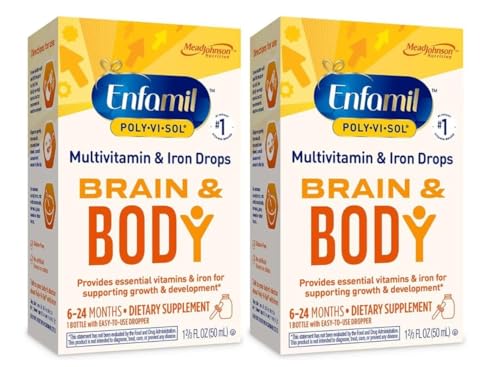
Enfamil Poly-Vi-Sol with Iron Drops
What We Like
- Contains the full AAP-recommended daily vitamin D dose
- Convenient dropper mixes easily into food or drink
- Backed by a major pediatric nutrition brand
- SNAP benefit eligible for qualifying households
Trade-offs
- Lacks organic certification like MaryRuth's or Wellements
One dose delivers the full 400 IU of vitamin D the American Academy of Pediatrics recommends daily, which takes the guesswork out of a crucial nutrient for bone development. For parents of infants transitioning to solids or picky toddlers, this is a straightforward, trusted solution from a formula company pediatricians know. The gluten-free, dye-free drops blend easily into a bottle or food with the included dropper.
You’re getting a focused set of eight vitamins plus iron, not the wider mineral profile found in something like ChildLife Essentials. The bottle itself is a substantial piece of plastic, more akin to a formula container than the tiny vials of Mommy’s Bliss. It’s a pragmatic, no-frills choice that covers the essentials reliably, especially if your primary concern is meeting that vitamin D benchmark without a separate supplement.
Product photos
MaryRuth's Organic Infant Multivitamin + Iron

What We Like
- Uses highly bioavailable Ferrochel iron
- Third-party tested for 200+ toxins
- Broad organic and allergen-free certifications
- Tasty orange-vanilla flavor for easy administration
Trade-offs
- No direct comparison of nutrient levels to RDA
- 2 oz liquid volume
The single most decisive fact here is the Clean Label Project Purity Award, which means a third party has verified the absence of over 200 toxins and contaminants. For a skeptical tinkerer, that’s a solid data point you can’t get from a marketing claim. This pick suits parents who prioritize a rigorously clean ingredient profile above all else, backed by a stack of certifications from USDA Organic to Non-GMO and Vegan. It’s a straightforward, fuss-free liquid designed for infants, with the iron in a form noted for better absorption.
The liquid dropper format prioritizes ease of administration over portability, as a 2 oz bottle is less compact for a diaper bag than many solid alternatives like chewable tablets. This product’s focus is on verified purity and organic certification, highlighted by its Clean Label Project Purity Award for testing over 200 contaminants, rather than on competing directly with the volume of larger liquid competitors. It represents a specific choice for parents who value third-party validation of ingredients above all else.
Product photos
Mommy's Bliss Baby Multivitamin + Iron

What We Like
- No-spill syringe for easy, direct administration
- Excludes alcohol, parabens, artificial colors, and flavors
- Vegan formula aligns with specific dietary preferences
- Compact 30 ml bottle is lightweight and portable
Trade-offs
- Liquid form requires precise measurement versus a chewable
A formula free of the top eight allergens means you can give these drops without worrying about triggering a reaction from common culprits like dairy or soy. This makes it a straightforward choice for parents navigating known or suspected food sensitivities. The inclusion of 10 mg of iron and full daily values of key vitamins like D3 covers the essentials for bone development and immune support, which is exactly what you want from a baseline supplement. The design philosophy from a pediatric nurse founder shows in the thoughtful exclusions, no alcohol, parabens, or artificial anything, which simplifies the ingredient vetting process for the cautious parent.
A 30 ml bottle means this is a compact supplement, fitting easily into a medicine cabinet or diaper bag. This smaller volume requires more frequent repurchasing compared to larger multi-packs like Enfamil’s two-bottle set. The liquid form commits you to using the provided syringe or mixing it into food, which is less straightforward than offering a chewable to an older child. For parents prioritizing a formula free of common allergens, these are manageable trade-offs. Those without specific allergy concerns, however, might find the liquid format and smaller supply less convenient than other options.
NovaFerrum Multivitamin with Iron

What We Like
- Clinically proven safe and effective for iron levels
- Pleasant taste from natural fruit flavors and sweeteners
- No gluten, sugar, alcohol, parabens, or caffeine
- Can be dispensed directly or mixed with formula
Trade-offs
- A liquid form requires precise dosing compared to a chewable
NovaFerrum’s formula is backed by a clinical trial published in JAMA, which means you have a concrete study, not just marketing claims, supporting its safety and effectiveness for raising iron levels. This makes it a standout for parents who are skeptical tinkerers themselves, trusting bloodwork over hype. The pleasant raspberry grape taste, achieved without sugar or synthetic colors, addresses the classic struggle of getting a child to take an iron supplement without a fight.
NovaFerrum Multivitamin with Iron is clinically proven to be safe, well-tolerated, and effective at raising iron levels, which means parents can trust its core purpose. Its formula uses a polysaccharide-iron complex and natural fruit flavors, aiming to provide essential nutrients without gluten, sugar, or synthetic colors. The bottle contains 120 servings, a substantial amount that lasts longer than the 50-serving size mentioned in its Amazon title might suggest.
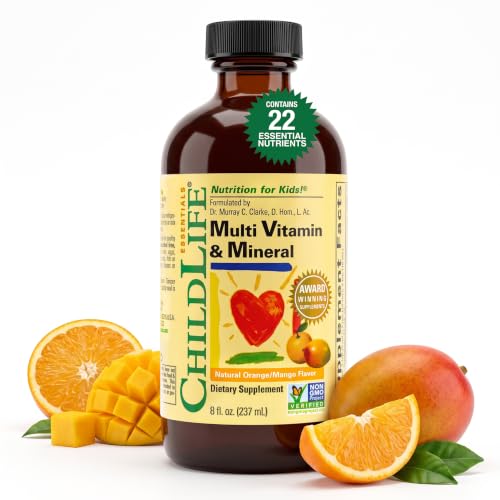
ChildLife Essentials Kids Multivitamin & Mineral
What We Like
- Contains 12 vitamins plus trace minerals
- Single formula spans infancy through teens
- Free from artificial flavors and preservatives
- Liquid form allows easy dosage adjustment
Trade-offs
- Large 8 oz bottle is bulkier than many dropper bottles
- Requires measuring a teaspoon instead of a dropper
A single liquid formula designed to cover ages from six months to teenagers simplifies a long-term supplement routine. The inclusion of 12 vitamins and primary trace minerals provides broad-spectrum nutritional support without artificial additives. This makes it a straightforward choice for parents seeking one comprehensive product to grow with their child from infancy through the toddler years and beyond.
The trade-off for that wide age range is a lack of iron, which many dedicated infant formulas like Enfamil Poly-Vi-Sol include. You also handle a larger 8-ounce bottle compared to compact 1- or 2-ounce droppers, and dosing requires a teaspoon measure instead of a precise dropper. It’s a solid foundational multivitamin, but you’ll need a separate plan for iron if your pediatrician recommends it.
Wellements Organic Baby Multivitamin Drops

What We Like
- USDA Certified Organic formulation
- Glass bottle avoids plastic concerns
- No artificial colors or flavors
- Free from top nine common allergens
Trade-offs
- Small 1 fl oz volume requires frequent reordering
- No iron content versus options like MaryRuth's
A glass bottle is the standout feature here, which matters if you’re prioritizing a product that avoids any potential for plastic leaching into the formula. The USDA Organic certification and the absence of artificial additives back that up, making it a clean choice for parents focused on purity from the container inward. It suits a buyer who values those material assurances above all else, even if it means a slightly more delicate package.
The trade-off is in the formula itself, which lacks iron, a key nutrient for many infants, especially those not on fortified formula. If iron support is a priority, you’d look at something like MaryRuth’s Organic Infant Multivitamin + Iron instead. The cherry flavor and included syringe make administration straightforward, though the one-ounce size means you’ll be ordering a new bottle more often than with some of the larger competing options.
Product photos
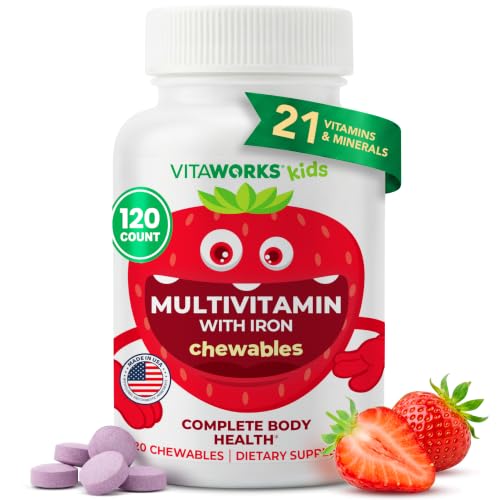
VitaWorks Kids Multivitamin with Iron Chewables
What We Like
- Chewable tablet form avoids gummy stickiness
- Contains gentle iron plus 20 other nutrients
- Naturally flavored and colored, no artificial dyes
- Gluten, dairy, and nut free; kosher and vegetarian
Trade-offs
- Requires child to safely chew two tablets
- No liquid option for very young infants
A two-tablet serving delivers a complete 21-nutrient profile, including 2.5 mg of iron. This is a practical way to bridge dietary gaps for a picky eater. The chewable format is the main event here. These tablets won’t melt or clump like gummies, making them a reliable, less messy choice for a child who can handle a solid supplement but isn’t ready for pills. It suits families looking for a straightforward, multi-nutrient foundation from a domestic manufacturer.
This chewable format is the main consideration. While the mixed fruit flavor aims for palatability, you’re committing to a tablet, which automatically excludes the youngest infants. Compared to liquid multivitamin drops, this is a step up in convenience for an older toddler but a step back in dosing precision and age range. The large, 12-inch tall bottle is also a cabinet-space consideration versus the compact droppers common in this category.
Product photos
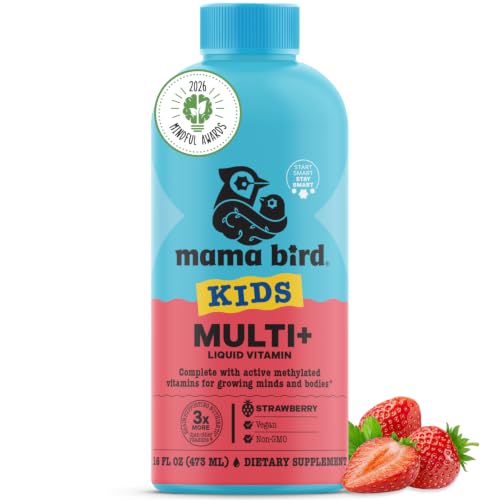
Mama Bird Kids Multi+ Liquid Vitamins
What We Like
- Neurologist-created, brain-focused formula
- Contains 30+ brain-ready nutrients
- Features organic superfoods and live enzymes
- Methylated vitamins may support better absorption
Trade-offs
- Large 16 fl oz bottle requires more storage space
- Serving size is a full tablespoon, not a dropper
A neurologist-designed formula packed with over 30 brain-ready nutrients makes this a serious contender for parents focused on cognitive development from the earliest stages. The inclusion of active methylated vitamins and organic superfoods suggests a premium, absorption-focused approach. It suits the caregiver who prioritizes a comprehensive, brain-first nutritional strategy and whose child will take a flavored liquid from a spoon or mixed into a drink.
Its main practical consideration is size. This isn’t a compact dropper for a diaper bag. At a full pound and requiring a tablespoon per serving, it’s a substantial kitchen-counter product compared to the tiny, precise droppers of many infant vitamins. The strawberry flavor aims for palatability, but that larger serving volume could be a challenge for very young or particularly resistant infants.
Product photos
Doctors Orders DFCMVK150 Infant Multivitamin

What We Like
- Berry flavor for picky eaters
- Dosage adjusts for age 2 through teens
- Certified kosher, halal, and vegetarian
- 150-tablet bottle offers long supply
Trade-offs
- Not suitable for infants under 2 years
- Two tablets required daily for ages 4+
- Chewable form requires mature eating skills
Doctors Orders DFCMVK150 provides 150 chewable tablets, which covers up to 150 days of vitamins for a two- or three-year-old taking one daily. The same bottle supplies 75 days for a child four and up, who takes two tablets, so one purchase lasts for months. Its formulation is certified kosher and halal, vegetarian, and made without gelatin, gluten, eggs, milk, fish, shellfish, soy, peanuts, and tree nuts, fitting households with specific dietary and religious needs.
The chewable tablet form is sized for ages two and up, so it is not suitable for infants. For example, Enfamil Poly-Vi-Sol with Iron Drops is a liquid format indicated for infants and toddlers. The dosage increases from one to two tablets daily at age four, which means the 150-tablet bottle provides up to 75 days of supply for that older age group.
Product photos
Llama Naturals Kids Vitamin Gummies
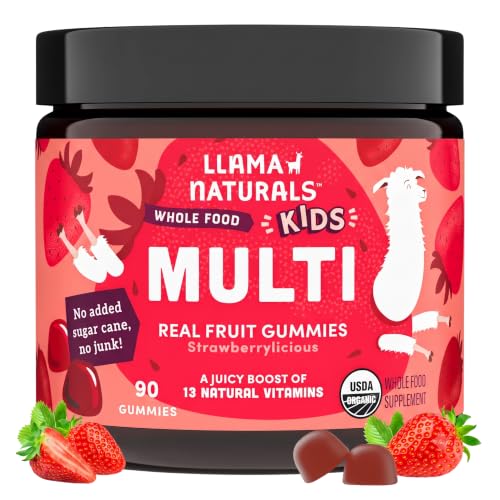
What We Like
- Whole-food vitamins from real organic fruit and vegetables.
- No added sugar cane, syrups, or artificial ingredients.
- Dentist-friendly, less sticky formula without tooth-harming acids.
- Vegan, non-GMO, and free from major allergens.
Trade-offs
- Gummy format may not suit infants under one year.
- No iron content, unlike many infant-specific formulas.
A multivitamin derived from whole foods means nutrients arrive packaged with the phytonutrients found in their natural sources, which is a principle some prefer for absorption. This makes Llama Naturals a standout for parents seeking a clean, plant-based formula for a toddler who can safely chew a gummy and whose diet already covers iron. The deliberate exclusion of synthetic isolates, major allergens, and tooth-damaging sugars addresses common concerns in one move.
This product’s key difference is the missing iron, a critical nutrient many infant-focused competitors include. That makes it less of a complete foundational supplement for an infant and more of a targeted support for a slightly older child with a varied diet. It’s a premium, specialized choice that solves for purity and palatability but shifts the responsibility for iron elsewhere.
How We Evaluated Infant Multivitamins
Our evaluation relied on manufacturer specifications, pediatric nutrition guidelines, and expert round-ups to assess each product. We examined the nutrient profiles against established recommendations, particularly for vitamin D and iron, as these are common focal points for infant supplementation.
Key criteria included the inclusion and bioavailability of iron, the presence of the recommended vitamin D dose, the overall formulation’s purity from artificial additives and allergens, and the product’s format for ease of administration. We also considered brand reputation and third-party testing practices where available.
A research-based evaluation like ours has limits. It cannot replicate a pediatrician’s personalized advice or account for an individual child’s taste preferences and tolerance. Always consult your child’s healthcare provider before starting any new supplement, a step emphasized in any guide to infant vitamin needs.
What To Look For In Infant Multivitamins
Selecting a multivitamin for an infant starts with a conversation with your pediatrician. Supplements are often recommended to fill specific nutritional gaps, not as a universal necessity for every child. Understanding the key criteria will help you choose a product that aligns with professional guidance and your family’s values.
Focus on key nutrients like vitamin D and iron, the product’s format for easy dosing, and certifications for purity and allergen safety. Always confirm suitability with your child’s pediatrician.
Key Nutrients
Vitamin D is a primary concern, with both the American Academy of Pediatrics and the UK’s NHS recommending daily supplementation for breastfed infants. Look for products providing the full recommended dose, such as 400 IU (10 mcg). Iron is another critical nutrient, as needs increase around six months of age. Some formulas include a gentle, bioavailable form of iron, like Ferrochel, which may be easier on a baby’s stomach.
A broad-spectrum multivitamin might include other vitamins and trace minerals, but the core focus should be on addressing identified deficiencies. For example, a child on a restricted diet might benefit from a more comprehensive formula, while a healthy infant might only need targeted vitamin D drops. Our research into infant multivitamins with iron highlights the importance of this specific combination.
Formulation & Purity
The ingredient list is crucial. Many parents seek formulas free from artificial colors, flavors, sweeteners, and preservatives. Certifications like USDA Organic or third-party testing for heavy metals and toxins offer additional assurance of purity and sourcing standards.
Allergen statements are equally important, especially for babies with known sensitivities. Look for products explicitly labeled as free from common allergens like dairy, soy, gluten, and nuts. Some brands go further by excluding alcohol, parabens, and other synthetic additives. For families with specific dietary rules, kosher or halal certifications may also be a priority.
Format & Administration
The physical form of the supplement directly impacts ease of use. Liquid drops with a calibrated dropper or syringe allow for precise dosing and can be mixed into formula, breast milk, or soft foods. This format is ideal for young infants.
As children grow, chewable tablets or gummies become an option, but they require the child to have the motor skills to chew safely and are not suitable for babies. Consider portability and bottle material; a small glass dropper bottle may appeal to those avoiding plastics, while a large liquid bottle offers better value but requires more storage space.
- Check the serving size: Is it a full dropper, a teaspoon, or multiple tablets?
- Assess the flavor profile: A pleasant taste can make administration much easier.
- Verify the age range: Some products are specifically for infants under one, while others span infancy through childhood.
The most effective multivitamin is the one your child will consistently take without a struggle.
Infant Multivitamins Compared
The following table compares the key features of our top picks at a glance, helping you quickly identify differences in format, key nutrients, and special attributes.
| Product | Form | Key Nutrients | Free From |
|---|---|---|---|
| Enfamil Poly-Vi-Sol with Iron Drops | Liquid drops | A, C, D, E, some B vitamins | Gluten, artificial colors/flavors |
| MaryRuth's Organic Infant Multivitamin + Iron | Liquid drops | Vitamins A, C, B, D, E, iron, zinc | N/A |
| Mommy's Bliss Baby Multivitamin + Iron | Liquid drops | 100% DV of C, D3, E, B1, B2, B6 | Free of top 8 allergens |
| NovaFerrum Multivitamin with Iron | Liquid drops | N/A | Gluten, sugar, synthetic colors |
| ChildLife Essentials Kids Multivitamin & Mineral | Liquid | 12 vitamins, primary trace minerals | Non-GMO, gluten-free |
| Wellements Organic Baby Multivitamin Drops | Liquid drops | A, B, C, D and E | Free from Top 9 |
| VitaWorks Kids Multivitamin with Iron Chewables | Chewable tablets | 21 vitamins & minerals | gluten free |
| Mama Bird Kids Multi+ Liquid Vitamins | Liquid | Active methylated vitamins | Vegan, Gluten Free, Non GMO |
| Doctors Orders DFCMVK150 Infant Multivitamin | Chewable tablets | 21 vitamins & minerals | gluten, eggs, milk, soy, shellfish |
| Llama Naturals Kids Vitamin Gummies | Gummy | Vitamin A, C, D, E, K1, B-complex | No peanuts, tree nuts, corn, gluten, soy, dairy, eggs, shellfish |
Frequently Asked Questions
What is the best multivitamin for infants?
The best multivitamin depends on your pediatrician’s recommendation and your child’s specific needs. For a general-purpose option that meets standard pediatric guidelines for vitamin D and iron, we selected Enfamil Poly-Vi-Sol with Iron Drops as the best overall. It provides a straightforward, reliable formula from a trusted brand in infant nutrition.
What is the best multivitamin for a newborn baby?
For newborns, the primary supplement discussed is vitamin D. The NHS and AAP recommend vitamin D drops for breastfed infants from birth. While a standalone vitamin D supplement is common, some multivitamins for newborns include it alongside other nutrients if a broader deficiency is a concern. Always consult your pediatrician before giving any supplement to a newborn.
What are the best vitamins for infants?
The most commonly recommended vitamins for infants are vitamin D and, in some cases, iron. Vitamin D supports bone development and is recommended for all breastfed infants. Iron becomes increasingly important as solid foods are introduced around six months. A targeted approach, as outlined in resources on vitamin D for infants, is often more appropriate than a broad multivitamin for healthy babies.
What is a good multivitamin for babies who are picky eaters?
For picky eaters, a palatable format is key. Pleasant-tasting liquid drops like NovaFerrum Multivitamin with Iron or flavored chewables can help. Some products, like Llama Naturals Kids Vitamin Gummies, use whole-food flavors from real fruit. The goal is to find a product that provides the needed nutrients without adding stress to mealtime, a consideration explored in guides for toddler multivitamins.
When should I start giving my baby a multivitamin?
You should only start giving your baby a multivitamin if your pediatrician identifies a specific nutritional need. For exclusively breastfed babies, vitamin D supplementation typically starts within the first few days of life. A broader multivitamin is not routinely recommended for healthy, full-term infants. As solid foods are introduced and dietary gaps may appear, usually after six months, your doctor can advise if a multivitamin is warranted, a transition detailed in resources for multivitamins for 1-year-olds.
The Bottom Line
Enfamil Poly-Vi-Sol with Iron Drops is the best overall infant multivitamin for parents seeking a simple, trusted way to meet the standard vitamin D guideline with the added benefit of iron. Its straightforward dropper format and pediatrician-familiar brand make it a reliable choice.
For families prioritizing organic ingredients, choose the MaryRuth’s Organic pick. If allergen safety is paramount, the Mommy’s Bliss formula is the top choice. Budget-conscious shoppers should note that some premium organic or specialized formulas come at a higher cost.
Ultimately, the single most important factor is your pediatrician’s guidance. Use this research to inform your conversation with them, ensuring any supplement you choose aligns with your child’s unique health profile and nutritional needs.
