
10 Best Omega 3 Supplements For Dry Eyes in 2026
This post contains affiliate links. As an Amazon Associate, we earn from qualifying purchases.
Our research identified the ScienceBased Health HydroEye Dry Eye Supplement as the best overall for its clinically tested formula that includes GLA, a dry-eye specific omega-6. For a high-ratio formula, we recommend PRN De3, and for a trusted brand, TheraTears. Choosing an omega-3 supplement for dry eyes means more than just grabbing fish oil.
You need a formula with the right type, dose, and absorption to effectively support the tear film. We built this guide by analyzing product specifications, clinical research, and patterns in expert recommendations to help you select a supplement that matches your specific needs.
Top 10 Omega 3 Supplements For Dry Eyes in the Market

Certain content that appears on this site comes from Amazon. This content is provided "as is" and is subject to change or removal at any time.
The Best Omega 3 Supplements For Dry Eyes, Reviewed
ScienceBased Health HydroEye Dry Eye Supplement

What We Like
- Clinically tested formula for ocular surface health
- Includes GLA, a dry-eye specific omega not in fish oil
- Widely recommended by ophthalmologists and optometrists
- Designed to support all three layers of the tear film
Trade-offs
- Requires four softgels per day, a higher pill count
- Requires 30-60 days of consistent use for full benefit
- Softgel format may not suit those preferring liquids
A peer-reviewed clinical trial published in Cornea specifically supports this supplement’s role in promoting eye comfort and a healthy ocular surface. Its formula includes GLA from black currant seed oil, an ingredient not found in standard fish or flaxseed oils and supported by multiple clinical studies for dry eye. This precise blend of GLA and omega-3s works from within to support all three layers of the tear film.
Using this supplement requires commitment, as the regimen calls for taking four softgels daily. The brand notes it can take 30 to 60 days of consistent use to experience the full benefit, with daily use needed for ongoing support. For those who prefer a different form, the other-products list includes single-dose liquid supplements like PRN’s De rTG Omega 3 Liquid.
Product photos
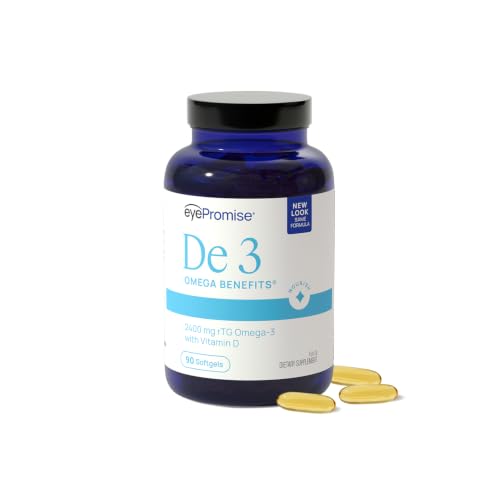
PRN Physician Recommended Nutriceuticals De3 Omega 3 Supplement
What We Like
- Clinically backed 3:1 EPA to DHA ratio
- rTG form offers high absorbability
- Includes vitamin D3 for eye health
- NSF Contents Certified for purity
Trade-offs
- Requires three softgels per serving
- No GLA inclusion like some competitors
- Potency demands strict daily consistency
Its core is a 3:1 EPA to DHA ratio, a balance clinically backed to support tear production and eye health. The formula delivers this in a clinical-strength dose using a re-esterified triglyceride form, which the manufacturer states is up to three times more absorbable than common store-bought omega-3s. This high absorption and targeted ratio make it a logical pick for someone disciplined about taking three softgels daily with a meal. The inclusion of vitamin D3 rounds out a nutrient profile focused squarely on ocular surface health.
The trade-off is its singular focus. Unlike a product like Pure Encapsulations VisionPro, it doesn’t blend in GLA, another fatty acid sometimes used in dry eye protocols. You’re getting a high-potency, purified omega-3 shot aimed directly at the EPA-DHA pathway. It’s for the person who wants that specific, high-ratio formula and is less concerned with a broader fatty acid spectrum. Just be prepared for the bottle to turn over every month.
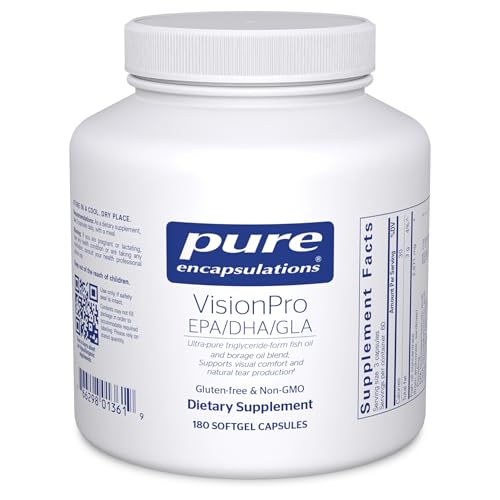
Pure Encapsulations VisionPro EPA/DHA/GLA Supplement
What We Like
- Includes GLA from borage oil for tear film support
- High-potency, ultra-pure triglyceride fish oil formula
- Formulated specifically for natural tear production
- Manufactured without common allergens or artificial ingredients
Trade-offs
- Larger 4.5 x 3.7 x 3.7-inch bottle requires more shelf space
- At 0.7 pounds, it is heavier than many 90-count options
Its formula includes 75 mg of GLA with 855 mg of EPA and 645 mg of DHA per serving. This combination is intended to support natural tear production and the integrity of all three tear film layers. The blend is for someone who wants GLA and high-quality fish oil together in one capsule. The fish oil is ultra-pure and molecularly distilled, and the product is free from common allergens, artificial ingredients, and GMOs.
This 180-count bottle is a substantial commitment in both size and volume. If you’re testing the waters with omega-3s for dry eyes, a smaller bottle like the 90-count TheraTears Omega 3 Supplement might be a less imposing starting point. But if you’re convinced by the GLA-inclusive rationale and prefer to buy in bulk, this formulation from a trusted brand in the professional-grade supplement space makes a logical, if physically sizable, choice.
Product photos
TheraTears Omega 3 Supplement for Eye Care

What We Like
- Ophthalmologist-created and doctor-recommended brand
- Clinically tested blend specific for eye care
- Combines marine and plant-based omega-3 sources
- May be eligible for FSA/HSA health plans
Trade-offs
- Bottle is relatively tall at 4.5 inches for storage
It suits someone who values a brand born from an ophthalmologist’s 18 years of research and wants a formula that has been clinically tested for this specific application. The inclusion of organic flaxseed oil alongside fish oil offers a hybrid approach, and the doctor-recommended status provides a layer of trust for those wary of marketing hype.
TheraTears offers a sensible starting point or an option for people who like a blended formula. Its potency is geared toward pure marine omega-3 support, so seasoned supplement users might need more capsules to match the higher concentrations found in other dedicated eye health formulas.
Oasis TEARS Omega 3 Fish Oil Supplement

What We Like
- Delivers a high 3000mg daily dose of EPA and DHA
- Purified to remove toxins and heavy metals
- Natural lemon flavor eliminates fishy aftertaste
- Produced in a certified, inspected facility
Trade-offs
- Requires taking three large softgels per day
Each serving of three softgels provides 3000mg of combined EPA and DHA, a high concentration of the fatty acids often targeted for dry eye support. This makes it a direct option for someone focused on a substantial intake of these specific nutrients. The product uses a purification process to remove toxins and adds natural lemon flavoring to prevent a fishy aftertaste, practical considerations for daily use with a multi-softgel regimen. It suits a user who wants a potent, clean formula without additional active ingredients like GLA or vitamin D.
This supplement focuses on simplicity. Unlike picks like PRN De3 or Pure Encapsulations VisionPro, it doesn’t bundle in GLA, vitamin D, or other targeted co-factors sometimes cited in dry eye protocols. You’re getting a high-octane fuel, not a complete cocktail. If your protocol or preference is for mega-dosing pure EPA and DHA alone, this bottle delivers that efficiently. If you suspect your dry eyes benefit from a more nuanced, multi-ingredient approach, a combined formula might be a better fit despite a lower omega-3 count.
Product photos
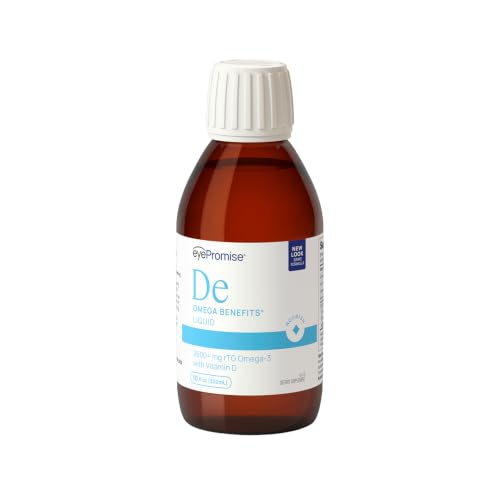
PRN Physician Recommended Nutriceuticals De rTG Omega 3 Liquid
What We Like
- Re-esterified triglyceride (rTG) form for absorption
- Liquid format avoids swallowing capsules
- NSF Contents Certified for quality assurance
Trade-offs
- Liquid requires measuring and may be less portable than capsules
The clinical-strength formula and specific 3:1 EPA to DHA ratio are designed to target tear production, which is why it’s a go-to for practitioners focused on ocular surface health. It suits someone who prioritizes high absorption and a brand with direct optometric backing, and who doesn’t mind the routine of a liquid.
If your protocol already includes separate components or your doctor specifically recommended a high-absorption omega-3, this liquid form is efficient. If you prefer a single supplement that combines omega-3s with a broader spectrum of dry-eye supports, a softgel like Pure Encapsulations VisionPro might be a more comprehensive fit.
Product photos
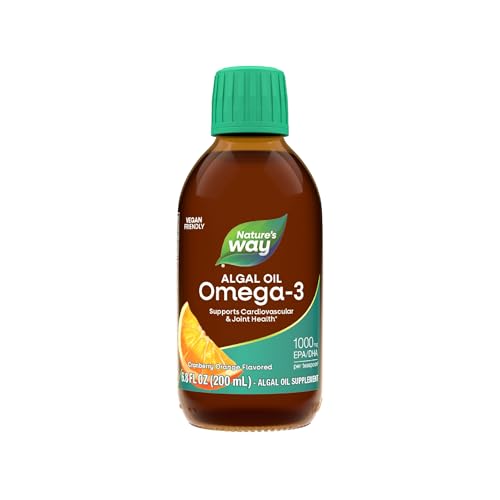
Nature's Way NutraVege Omega-3 Liquid
What We Like
- Provides a substantial 1,000 mg vegan EPA/DHA dose
- Fish-free, plant-based formula suits strict diets
- Light, flavored liquid avoids fishy aftertaste
- Third-party purity verification available online
Trade-offs
- Liquid format requires measuring and can be messy
Each teaspoon provides 1,000 mg of combined EPA and DHA, a foundational dose of the omega-3s that support eye and brain function, according to the product. This plant-based, fish-free source is a direct solution for vegans or anyone avoiding fish oils. Its light cranberry-orange flavor is designed for a clean taste, making the daily serving straightforward to take.
You’re getting a clean, effective base of omega-3s, which is crucial, but someone with severe dry eye might need to layer in additional targeted nutrients. For a strict plant-based regimen, this liquid provides a straightforward, palatable way to check the omega-3 box.
Focus Vision Supplements Focus Relief Plus Eye Vitamins
What We Like
- High 90%+ EPA/DHA concentration for potent support
- Re-esterified triglyceride (rTG) form for better absorption
- Physician-developed formula adds clinical credibility
- Made in the USA for manufacturing transparency
Trade-offs
- Three softgels daily is a larger pill burden
- Lacks Vitamin D3, a common addition in competing formulas
A 1620 mg dose of re-esterified triglyceride omega-3s delivers a high-concentration, efficiently absorbed formula aimed squarely at dry eye relief. The over 90% EPA and DHA purity, combined with a physician-developed pedigree, makes this a logical pick for someone who prioritizes a clinically-backed, no-frills approach from a U.S. manufacturer. It suits the buyer who trusts the rTG form and wants a straightforward supplement from a brand focused on eye care.
Taking three softgels daily with a meal is required, and the formula lacks complementary nutrients like Vitamin D3 that are included in some competing products, such as PRN’s De3. This formulation delivers 1620 mg of re-esterified triglyceride omega-3s per serving, a substantial amount focused on absorption and eye doctor recommendations. For a user prioritizing that specific, high-concentration rTG profile from a U.S.-made supplement, the pill count may be acceptable. Those seeking a different nutrient combination or a different delivery form, like a liquid, would need to consider alternatives.
Product photos
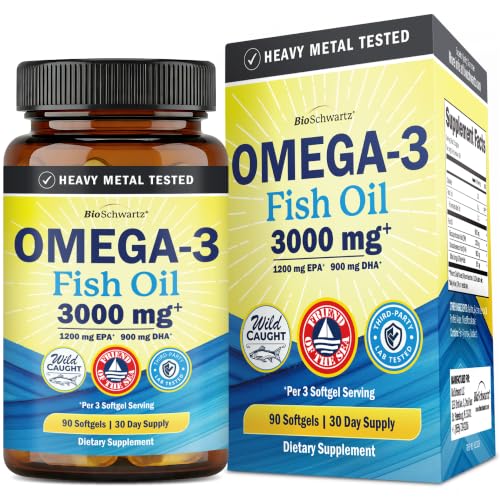
BioSchwartz Triple Strength Omega 3 Fish Oil
What We Like
- High-potency 2250mg Omega-3 dose
- Wild-caught, sustainability-focused sourcing
- Proprietary extraction for enhanced absorption
- Third-party tested for purity and quality
Trade-offs
- No GLA or targeted tear-support vitamins
- 90 softgels per container
BioSchwartz Triple Strength Omega 3 Fish Oil delivers 2250mg of essential fatty acids per serving, including 1200mg of EPA and 900mg of DHA, a concentration that supports general health goals. Its wild-caught sourcing from Iceland and third-party testing directly address purity concerns important to many buyers. The formula is non-GMO, gluten-free, and manufactured in a cGMP-compliant facility, which signals a commitment to production standards.
It fits the profile of a skeptic who wants a no-nonsense, high-concentration fish oil from a reputable process. The wild-caught origin and rigorous testing address common purity concerns head-on. However, if your research or doctor’s advice points toward a supplement with a specific balance of DHA to EPA or added tear-promoting ingredients, this one’s generalist approach might feel like bringing a broad-spectrum antibiotic to a targeted infection. It’s a premium, quality foundational supplement, but for dry eyes, it may require you to source complementary nutrients elsewhere.
Product photos
MaxiTears Dry Eye Supplement

What We Like
- Enteric-coated softgels prevent fishy aftertaste
- Comprehensive formula includes mucin complex and turmeric
- Molecularly distilled oils for purity
- 90-day supply supports consistent use
Trade-offs
- Daily serving requires taking four softgels
The enteric-coated softgels are the central feature. They are designed to dissolve beyond the stomach for a more comfortable experience and to avoid the fishy aftertaste that derails many supplement routines. This makes MaxiTears a strong candidate for anyone who has struggled with fish oil burps or digestive discomfort. It offers a comprehensive blend that pairs its 1100 mg of omega-3s with targeted eye health ingredients like mucin complex and turmeric.
A daily serving of four softgels provides the full 1100 mg of omega-3 fatty acids, which is a higher pill count than some concentrated alternatives. This multi-ingredient formula combines mucin complex, turmeric root, and vitamins A and D3. It suits someone looking for a comprehensive blend over a minimal-pill regimen. The bottle contains a 90-day supply based on that serving size.
Product photos
How We Evaluated Omega 3 Supplements For Dry Eyes
This guide compares products based on manufacturer specifications, clinical data related to dry eye relief, and patterns in expert and user feedback. Key criteria include the total daily dose of EPA and DHA, the form of omega-3 for absorption, and the inclusion of supporting ingredients like GLA or vitamin D. Practical factors such as daily pill count and formula purity were also considered. A limitation is that individual experiences with symptom relief over time are not covered.
What To Look For In Omega 3 Supplements For Dry Eyes
Selecting the right supplement involves more than just high omega-3 numbers. The molecular form, the balance of fatty acids, and the presence of complementary nutrients all influence its effectiveness for dry eye relief.
Look for a supplement that provides at least 1,000 mg of combined EPA and DHA per day in a triglyceride or re-esterified triglyceride (rTG) form. A higher ratio of EPA to DHA, around 2:1 or 3:1, may offer targeted anti-inflammatory benefits for the meibomian glands.
Daily Dose of EPA & DHA
Clinical studies for dry eye often use daily doses ranging from 1,000 to 3,000 mg of combined EPA and DHA. A foundational dose is around 1,000 mg, while higher doses like those in our “Best High Dose” pick aim for more potent support. It’s important to read the supplement facts panel to find the amounts of EPA and DHA per serving, not just the total “fish oil” or “omega-3” amount, which can be misleading.
For a deeper dive into specific formulations, explore our guide on the best fish oil supplements for dry eye relief.
Molecular Form & Absorption
The molecular form dictates how well your body absorbs the omega-3s. Natural triglycerides (TG) and re-esterified triglycerides (rTG) are better absorbed than the cheaper ethyl ester form. Many high-quality supplements, like our “Best Doctor-Developed rTG” pick, specifically use the rTG form. Better absorption means more fatty acids are available to support the meibomian glands’ oil production, which is crucial for a stable tear film. For those interested in the broader category, our resource on dry eye supplements covers additional supportive nutrients.
Supporting Ingredients & Ratios
Some formulas include gamma-linolenic acid (GLA) from sources like borage oil, which research suggests can specifically support tear film health, as seen in our “Best With GLA” pick. Vitamin D3 is another common addition for its role in ocular surface health. The ratio of EPA to DHA also matters; a higher EPA ratio, like the 3:1 formula in our “Best High-Ratio” pick, is often cited for its targeted anti-inflammatory action for dry eyes. For a look at other essential nutrients, check out our article on vitamins for dry eyes.
- Check the supplement facts for the specific amounts of EPA and DHA, not just the total “fish oil.”
- Look for “triglyceride” or “rTG” on the label to ensure better absorption.
- Consider if you want additional ingredients like GLA for targeted tear support or vitamin D for overall eye health.
- Be prepared to take the supplement consistently for 8-12 weeks to evaluate its effect.
- If you have a fish allergy or follow a vegan diet, seek out plant-based algae oil supplements.
Consistency is key, plan on taking your chosen supplement daily for at least two months before expecting to notice a difference in dry eye symptoms.
Omega 3 Supplements For Dry Eyes Compared
The following table provides a quick comparison of our top picks across key specifications to help you see the differences at a glance.
| Product | Key Omega-3 Types | Form | Supply |
|---|---|---|---|
| ScienceBased Health HydroEye Dry Eye Supplement | EPA & DHA | softgels | 30-day supply |
| PRN Physician Recommended Nutriceuticals De3 Omega 3 Supplement | 1680 mg EPA, 560 mg DHA | softgels | 30-Day Supply |
| Pure Encapsulations VisionPro EPA/DHA/GLA Supplement | 855 mg EPA, 645 mg DHA | Softgel capsules | 180 softgels |
| TheraTears Omega 3 Supplement for Eye Care | 450mg EPA, 300mg DHA, 450mg ALA | capsules | 90 capsules |
| Oasis TEARS Omega 3 Fish Oil Supplement | 1000mg EPA & DHA | Softgels | 90 Softgels |
| PRN Physician Recommended Nutriceuticals De rTG Omega 3 Liquid | 1680 mg EPA, 560 mg DHA | Liquid | 60-day supply |
| Nature's Way NutraVege Omega-3 Liquid | EPA/DHA | Liquid | 6.8 Fl Oz |
| Focus Vision Supplements Focus Relief Plus Eye Vitamins | Over 90% EPA and DHA | softgels | 30-day |
| BioSchwartz Triple Strength Omega 3 Fish Oil | 1200mg EPA, 900mg DHA | Softgels | 90 Softgels |
| MaxiTears Dry Eye Supplement | EPA & DHA | softgels | 90-Day Supply |
Frequently Asked Questions
What is the best omega-3 to take for dry eyes?
The best omega-3 supplement for dry eyes is one that provides a sufficient daily dose of EPA and DHA in a well-absorbed form. Our top pick, ScienceBased Health HydroEye, is specifically formulated with clinical research and includes GLA, making it a strong choice for targeted tear film support.
Should I take omega-3 supplements for dry eye?
Yes, research indicates omega-3 supplements can help if your dry eye is related to poor tear film quality or inflammation. They provide the fatty acids needed for healthy meibomian gland function, which produces the oily layer of tears to prevent evaporation. It’s a foundational support strategy often recommended by eye care professionals.
How much omega-3 should you take for dry eyes?
A common clinical dose for dry eye relief is between 1,000 and 3,000 mg of combined EPA and DHA per day. Start at the lower end of this range, as found in many of our picks, and consider a higher dose if needed after consulting with a healthcare provider.
How long does it take omega-3 to help dry eyes?
You typically need to take an omega-3 supplement consistently for 8 to 12 weeks to see an improvement in dry eye symptoms. This timeframe allows your body to incorporate the fatty acids into the meibomian glands and for anti-inflammatory processes to take effect.
Are there vegan omega-3 options for dry eyes?
Yes, vegan options derive EPA and DHA from algae oil instead of fish. Our “Best Vegan Option,” Nature’s Way NutraVege, provides a plant-based dose suitable for those with fish allergies or dietary restrictions.
The Bottom Line
For most people seeking a dry eye supplement backed by specific clinical research, the ScienceBased Health HydroEye Dry Eye Supplement is the best overall choice, especially for its inclusion of GLA. If you’re on a budget or need a very high dose, look to our “Best High Dose” or “Best Wild-Caught” picks, while those who dislike capsules should consider the “Best Liquid Formula.”
The most important factor is choosing a supplement with a clear, sufficient dose of EPA and DHA in a triglyceride or rTG form. You also need to commit to taking it daily for several months to allow it to work. For a broader view of ocular support, our comprehensive eye supplement guide covers additional options.
