
10 Best Quality Vitamin C in 2026
This post contains affiliate links. As an Amazon Associate, we earn from qualifying purchases.
Our best overall pick is the Quicksilver Scientific Liposomal Vitamin C Liquid for its high-absorption, stomach-friendly formula. We also highlight the Thorne Vitamin C with Citrus Bioflavonoids for added antioxidants and the Pure Encapsulations Ascorbic Acid Capsules for high-potency value. Choosing a quality vitamin C goes beyond just milligrams; it’s about how well your body can use it and how it fits your specific health needs and sensitivities. This guide compares several top supplements, focusing on absorption technology, ingredient purity, and formulation to help you find the right match.
Top 10 High-Quality Vitamin C Supplements in the Market
Certain content that appears on this site comes from Amazon. This content is provided "as is" and is subject to change or removal at any time.
The Best High-Quality Vitamin C Supplements, Reviewed
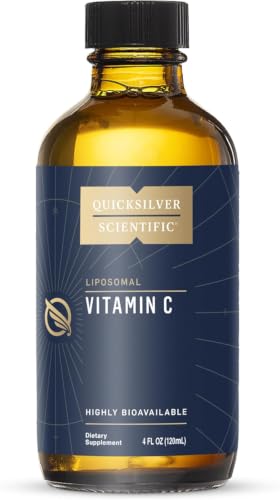
Quicksilver Scientific Liposomal Vitamin C Liquid
What We Like
- Liposomal delivery for superior absorption
- Buffered, gentle on sensitive stomachs
- Small, stable vesicles for rapid uptake
- Clear, vegan, and non-GMO formula
Trade-offs
- Only 24 servings per 4oz bottle
- Liquid form requires precise measurement
Liposomal delivery directly addresses the core problem with high-dose vitamin C, where conventional absorption decreases as dosage increases. This formulation uses small, stable vesicles that begin absorbing in the mouth, which can enable more effective dosing. The buffered form, sodium ascorbate, is also noted for being generally better tolerated by those with gastrointestinal sensitivity.
The 4oz bottle contains 24 servings, each delivering 1000 mg of vitamin C. This smaller volume means more frequent reordering compared to bulk options like the 250-capsule jar from Pure Encapsulations. However, the liposomal liquid’s clear consistency and absorption pathway are distinct from solid supplements.
Product photos
Thorne Vitamin C with Citrus Bioflavonoids

What We Like
- Includes natural citrus bioflavonoids for enhanced antioxidant activity
- NSF Contents Certified for verified purity and safety
- Trusted clinical brand recommended by practitioners
- Supports collagen, immune function, and liver detoxification
Trade-offs
- 500 mg dose is lower than many 1000 mg competitors
- 90-count size is smaller than bulk offerings like Pure Encapsulations' 250 capsules
Thorne pairs a 500 mg dose with citrus bioflavonoids from oranges, focusing the formula on antioxidant synergy and cellular protection rather than raw potency. It suits a buyer who values this full-complex approach and trusts the brand’s clinical reputation, which is backed by third-party NSF certification. This choice is about the documented benefits of combining vitamin C with flavonoids for better support of immune function, collagen production, and the body’s natural detoxification processes.
The trade-off is clear when comparing it to Thorne’s own C153 model, which offers 1,000 mg of ascorbic acid per capsule. You are choosing a formula enhanced with citrus bioflavonoids here, which means accepting a lower per-capsule vitamin C content. This product is a precision tool for those seeking the specific antioxidant benefits of that citrus blend, not just the highest milligram count.
Product photos
Pure Encapsulations Ascorbic Acid Capsules

What We Like
- High 1,000 mg dose per capsule for potent support
- Large 250-count bottle offers long-term value
- Formulated without common allergens and GMOs
- Manufacturer testing for verified potency and purity
Trade-offs
- Pure ascorbic acid may be too acidic for sensitive stomachs
- No buffering agents or bioflavonoids included for absorption
Pure Encapsulations Ascorbic Acid Capsules provide 1,000 mg of vitamin C per capsule, a high-potency dose for focused antioxidant and immune support*. The 250-count supply offers a long-lasting option for daily use. The formula is free from common allergens, artificial ingredients, and GMOs, which suits a preference for clean, minimal supplementation.
Ascorbic acid is a standard and potent form of vitamin C. For those concerned about acidity, other options exist. Pure Encapsulations’ own Buffered Ascorbic Acid is described as gentle for sensitive individuals, and Solgar Ester-C Plus uses a non-acidic ascorbate complex, though it provides 500 mg per serving.
Product photos
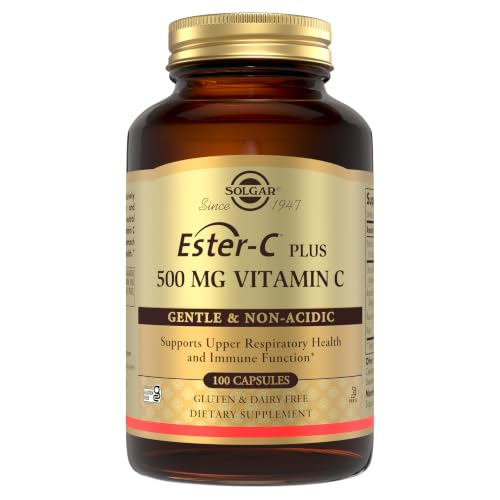
Solgar Ester-C Plus Vitamin C
What We Like
- pH neutral and less acidic
- Includes natural bioflavonoids and fruit powders
- Vegan, kosher, and gluten free
Trade-offs
- 500 mg dose is lower than many 1000 mg competitors
The pH-neutral calcium ascorbate complex is the decisive feature here. This is a supplement built for tolerance first, offering a well-retained form of vitamin C alongside cofactors like bioflavonoids and rose hips. For the buyer prioritizing a gentle, non-irritating daily protocol, the specific chemistry matters more than a headline megadose.
Each serving provides 500 mg of Vitamin C, which is half the amount found in a single capsule of products like Pure Encapsulations Ascorbic Acid. This makes it a lower-potency option per capsule compared to several competitors. The formulation contributes to collagen formation for healthy skin and cartilage while increasing iron absorption.
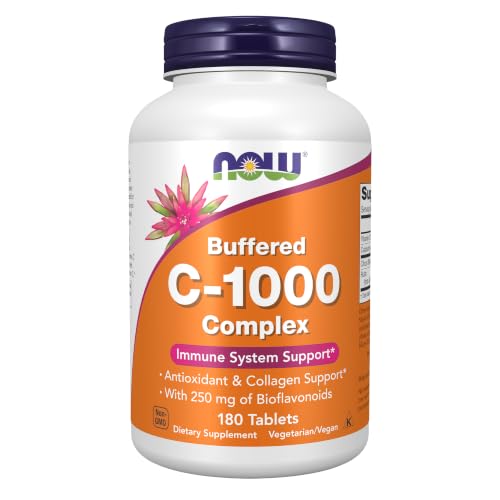
NOW Foods 0702 Quality Vitamin C
What We Like
- Calcium ascorbate is non-acidic and bioavailable.
- Includes synergistic bioflavonoids for enhanced activity.
- Broad certification profile suits many dietary restrictions.
- High GMP manufacturing standard assures quality control.
Trade-offs
- Tablet form may be less convenient than powders or liquids.
Calcium ascorbate is the key feature here, offering a full gram of vitamin C in a stomach-friendly, buffered form. That makes it a logical starting point for anyone who finds standard ascorbic acid too harsh. The addition of a meaningful 250 mg of bioflavonoids isn’t just window dressing; it’s a legitimate synergy play that rounds out the antioxidant profile. For a buyer prioritizing a gentle, effective formula without frills, this checks the fundamental boxes.
You’re getting 180 substantial tablets in a relatively large bottle. This is great for cost-per-dose but less ideal for portability or for those who dislike swallowing pills. Compared to something like Thorne’s C153, which packs a similar ascorbic acid punch in tiny, NSF-certified capsules, you’re choosing bottle footprint over conciseness. It’s a workhorse formula where the value is in the contents, not the container.
THORNE C153 Quality Vitamin C

What We Like
- NSF-certified for content accuracy and purity
- High 1,000 mg dose per serving
- Trusted by professional sports teams and clinicians
- Supports collagen, detoxification, and immune function
Trade-offs
- Only 60 capsules per bottle, a smaller supply than some competitors
- No added bioflavonoids like Thorne's own Citrus Bioflavonoids variant
A 1,000 mg dose of pure ascorbic acid backed by NSF certification means you’re getting exactly the high-potency vitamin C the label promises, without contaminants. This makes it a straightforward choice for someone who prioritizes verified potency and a trusted clinical brand over novel delivery systems or added ingredients. It suits the buyer who wants a no-nonsense, high-dose foundation supplement from a manufacturer routinely recommended by healthcare practitioners.
This product offers just the vitamin, without complementary nutrients for enhanced absorption. If you’re looking for a vitamin C that includes bioflavonoids, you’d compare it directly to Thorne’s own Vitamin C with Citrus Bioflavonoids, which offers a lower 500 mg dose but includes those plant compounds. For a sensitive system, a product like Pure Encapsulations Buffered Ascorbic Acid might be a gentler alternative, though you’d sacrifice the 1,000 mg per capsule.
Product photos
Triquetra Health Organic Whole Food Vitamin C

What We Like
- USDA Organic whole food source from fruit
- Enhanced with absorption cofactors
- Third-party tested for purity and toxins
- High concentration per capsule
Trade-offs
- No liposomal or buffered delivery system specified
A 250 mg dose derived from organic whole foods means you’re getting vitamin C packaged with its natural cofactors, not just an isolated chemical. This suits the skeptical tinkerer who prioritizes food-based nutrition and is wary of long-term synthetic use. The inclusion of bioflavonoids and rutin is a thoughtful design for improving how the body uses what you swallow, which matters if you believe the matrix of nutrients in real food works better.
You’re getting a notably smaller milligram amount per capsule compared to a product like Pure Encapsulations Ascorbic Acid. This makes Triquetra Health’s offering a premium choice for someone committed to an organic, whole-food philosophy, even if it requires taking more capsules to match a standard 1000 mg synthetic dose. It’s for the person who trusts a carrot over a lab, not for someone seeking the highest possible single-serving potency.
Product photos
NOW Vitamin C Crystals Powder

What We Like
- Pure ascorbic acid powder offers precise dosing flexibility
- Free from major allergens including soy, gluten, nuts, dairy, and eggs
- Large 8-ounce container provides a long-lasting supply
Trade-offs
- Powder form requires manual mixing into a beverage
- No buffering agents noted for those with sensitive stomachs
The 8-ounce jar of pure ascorbic acid crystals is for the tinkerer who wants complete control over their vitamin C protocol. You can adjust your dose by the milligram, mix it into any drink you like, and avoid the fillers or capsules found in other forms. It suits someone who prioritizes a simple, high-potency ingredient and doesn’t mind the extra step of preparation. This is the lab-grade approach to supplementation.
The NOW Vitamin C Crystals come as a bulk powder, unlike the pre-measured capsules from Thorne or Pure Encapsulations. This means you need a scoop and must measure each dose yourself, which is less convenient than taking a single pill. However, the pure powder form allows you to adjust your serving size precisely, making it suitable for those who prefer to customize their intake.
Product photos
Pure Encapsulations Buffered Ascorbic Acid

What We Like
- Buffered mineral ascorbates for a neutral pH
- Lessens gastric irritation for sensitive individuals
- Allergen-free and non-GMO formulation
Trade-offs
- Capsule form requires swallowing, unlike liquid options
- The 250-count bottle is a larger upfront commitment
A buffered formula combining calcium, magnesium, and potassium ascorbates creates a neutral pH vitamin C, which is the core reason it’s so well-tolerated. For anyone who has abandoned standard ascorbic acid due to stomach upset, this formulation directly addresses that issue. It suits the meticulous user who prioritizes a gentle, predictable supplement from a brand known for rigorous testing and clean labels.
This buffered ascorbic acid uses a blend of calcium, magnesium, and potassium ascorbates, which creates a neutral pH to lessen possible gastric irritation for sensitive individuals. It offers a straightforward, high-potency capsule format, contrasting with liposomal liquid delivery systems like Quicksilver Scientific’s, which some research mentions for enhanced absorption. The choice is between this gentle, mineral-buffered form and alternative delivery technologies.
Product photos
Sports Research High Potency Vitamin C

What We Like
- Exceptionally high 240-count supply.
- Simple, one-a-day dosing regimen.
- Manufactured in a certified US facility.
Trade-offs
- Uses basic ascorbic acid, not a gentler buffered form.
A 240-count bottle of 1000mg vitamin C delivers a long-term supply that simplifies the math for anyone committed to a daily antioxidant and immune support protocol. This makes it a logical pick for individuals or households looking to minimize reordering and who prefer a straightforward ascorbic acid formula. It suits someone who values the convenience of a single capsule per day and wants a product verified as vegan, non-GMO, gluten-free, and soy-free.
This product’s simplicity means it’s pure ascorbic acid in a veggie capsule. That’s effective, but it may not be the best-tolerated option for sensitive stomachs compared to a buffered alternative like Pure Encapsulations Buffered Ascorbic Acid. The sheer volume of the container is also a practical consideration. It’s a substantial commitment of cabinet real estate, making it less ideal for someone wanting to sample different forms of vitamin C or with limited storage.
Product photos
How We Evaluated High-Quality Vitamin C Supplements
Our evaluation focused on manufacturer specifications, documented formulation science, and patterns in expert round-ups and owner feedback. The key criteria were bioavailability, how the supplement’s form (like liposomal or buffered) affects absorption, ingredient purity and sourcing, and suitability for sensitive stomachs. We also considered serving count and dietary certifications to gauge long-term value and fit for various lifestyles. This research-led approach provides a detailed comparison of available options, but it cannot replicate the experience of personal, long-term use or individual physiological responses.
What To Look For In High-Quality Vitamin C Supplements
The most important factors are how well the vitamin C is absorbed, the purity of its ingredients, and whether its form aligns with your digestive tolerance and dosing preferences.
Look for supplements with high bioavailability (like liposomal or buffered forms), third-party certifications for purity, and a dose and delivery method that suits your routine and stomach sensitivity.
Bioavailability and Form
Not all vitamin C is absorbed equally. The basic form, ascorbic acid, is common but can be harsh on sensitive stomachs at high doses. Enhanced delivery systems, like liposomal vitamin C, use tiny lipid spheres to protect the nutrient and improve uptake into cells. Buffered forms, such as calcium ascorbate, neutralize acidity for gentler digestion. Understanding the different vitamin C types, from pure ascorbic acid to mineral ascorbates and whole-food extracts, is key to matching a supplement to your absorption goals and tolerance.
Purity and Certification
Quality hinges on what’s not in the bottle. Look for supplements that are third-party tested by organizations like NSF or USP, which verify label accuracy and check for contaminants. Reputable brands disclose their manufacturing standards, often adhering to Good Manufacturing Practices (GMP). For those seeking pure vitamin C supplements without unnecessary fillers, certifications for being non-GMO, gluten-free, vegan, or allergen-free are valuable markers of a clean formula.
Dose, Serving Count, and Delivery
A 1,000 mg capsule isn’t inherently better than a 500 mg one; effective dosing depends on your needs and how the supplement is formulated. High-potency options are useful for specific protocols, but a lower dose from a highly absorbable form may be more effective. Also, consider the serving count: a large bottle offers better long-term value for daily users. Finally, choose a delivery method you’ll consistently use.
- Check if you prefer convenient capsules, precise powders for custom dosing, or gentle liquids.
- For sensitive stomachs, prioritize buffered or pH-neutral forms over standard ascorbic acid.
- If you follow specific diets, verify certifications like vegan or kosher.
The best vitamin C is the one your body can use effectively and you’ll take reliably.
High-Quality Vitamin C Supplements Compared
Our comparison table below details key specifications like form, dose, serving count, and certifications to help you see the differences at a glance.
| Product | Vitamin C per Serving | Form | Servings / Count | Key Certifications / Features |
|---|---|---|---|---|
| Quicksilver Scientific Liposomal Vitamin C Liquid | 1000 mg | Liquid | 24 | Vegan & Non-GMO |
| Thorne Vitamin C with Citrus Bioflavonoids | 500 mg | Capsules | 90 Capsules | NSF Contents Certified |
| Pure Encapsulations Ascorbic Acid Capsules | 1000 mg | Ascorbic acid capsules | 250 | Non-GMO, Vegan |
| Solgar Ester-C Plus Vitamin C | 500 mg | Calcium ascorbate complex | 100 vegetable capsules | Vegan, gluten-free, kosher |
| NOW Foods 0702 Quality Vitamin C | 1000 mg | Buffered tablets | 180 tablets | Non-GMO, Vegan, Gluten-Free |
| THORNE C153 Quality Vitamin C | 1000 mg | Capsules | 60 capsules | NSF Contents Certified |
| Triquetra Health Organic Whole Food Vitamin C | 250 mg | Whole food from fruit | 90 | USDA Organic, vegan, GMO-free |
| NOW Vitamin C Crystals Powder | N/A | Pure powder crystals | N/A | Non-GMO, Vegan, Kosher |
| Pure Encapsulations Buffered Ascorbic Acid | N/A | Buffered ascorbic acid capsules | 250 capsules | Non-GMO |
| Sports Research High Potency Vitamin C | 1000 mg | Veggie capsule | 240 capsules | Non-GMO, Gluten-Free, Soy-Free |
Frequently Asked Questions
What is the best quality vitamin C on the market?
The best quality vitamin C balances high bioavailability, purity, and suitability for your body. Our top pick, Quicksilver Scientific Liposomal Vitamin C Liquid, represents a high-quality standard. Its advanced liposomal delivery system is designed for superior absorption, and its buffered formula is generally better tolerated, making it a strong candidate for those seeking maximum effectiveness.
Which brand of vitamin C is best?
There isn’t a single “best” brand, as different brands excel in different areas. Thorne is highly regarded for clinical trust and certifications, Pure Encapsulations is known for pure, high-potency formulas, and NOW Foods offers excellent budget-friendly quality. The best brand for you depends on whether you prioritize third-party testing, specific delivery forms, or affordability.
Can vitamin C help with pertussis?
There is no established evidence that vitamin C supplementation is an effective treatment for pertussis (whooping cough). While vitamin C is crucial for general immune function, you should follow the treatment plan prescribed by your healthcare provider for any diagnosed infection.
What is the most recommended vitamin C?
Healthcare practitioners often recommend forms that are well-absorbed and gentle. Buffered mineral ascorbates (like calcium or magnesium ascorbate) and vitamin C with liposomes are frequently suggested for sensitive individuals. Formulas that include bioflavonoids are also recommended for their added antioxidant support.
What’s the difference between synthetic and natural vitamin C?
Synthetic vitamin C (like ascorbic acid) is chemically identical to the vitamin C found in food. High-quality synthetic versions can be very effective. Natural or whole-food vitamin C comes from concentrated fruit extracts and may include cofactors like bioflavonoids. The critical factor isn’t the origin but the formulation’s bioavailability and whether it includes absorption-enhancing components.
The Bottom Line
For most shoppers seeking high absorption and minimal stomach issues, the Quicksilver Scientific Liposomal Vitamin C Liquid is the best overall choice. If your priority is a clinically-trusted formula with added antioxidants, choose the Thorne Vitamin C with Citrus Bioflavonoids. For a high-potency, bulk supply of pure ascorbic acid, the Pure Encapsulations Ascorbic Acid Capsules offer strong value.
Ultimately, the quality of a vitamin C supplement is defined by how well your body can use it. Prioritize bioavailability and a form that aligns with your digestive health to get the most benefit from your supplement.
