
10 Best Weightlifting Supplements in 2026
This post contains affiliate links. As an Amazon Associate, we earn from qualifying purchases.
Our research points to Optimum Nutrition Creatine Monohydrate Powder as the best overall weightlifting supplement for its high-value 120-serving container and trusted formula. For rigorous purity, the Thorne Creatine Monohydrate Powder is our premium pick, while Nutricost Creatine Monohydrate Powder offers a solid budget option. Choosing the right supplement depends heavily on your specific training phase and goals, not just marketing claims. This guide distills research on specifications, manufacturer data, and patterns in owner feedback to help you match a product to your lifting needs.
Top 10 Weightlifting Supplements in the Market
Certain content that appears on this site comes from Amazon. This content is provided "as is" and is subject to change or removal at any time.
The Best Weightlifting Supplements, Reviewed
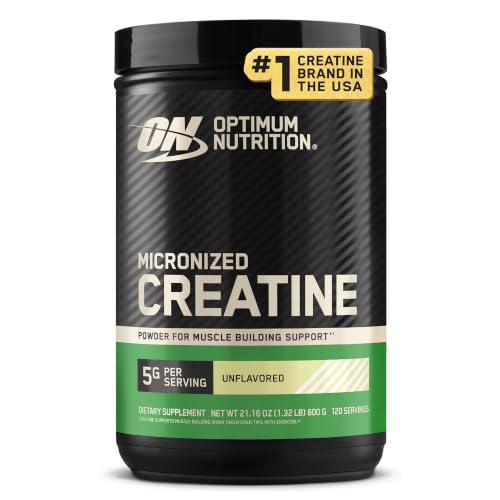
Optimum Nutrition Creatine Monohydrate Powder
What We Like
- High 120-serving count per container
- Micronized powder for easy mixing
- Rigorous banned substance testing
- Unflavored for versatile use
Trade-offs
- Unflavored powder requires mixing with other ingredients
Each serving delivers 5 grams of micronized creatine monohydrate, which is the standard dose shown to support strength and training volume. The powder is unflavored, so it disappears into a shake or juice without altering the taste. This product suits anyone seeking a straightforward, no-fuss creatine from a major brand, backed by the reassurance of third-party testing for banned substances. You get a substantial 120 servings in one container, meaning fewer reorders and a consistent supply for your loading and maintenance phases.
Weighing 1.9 pounds, Optimum Nutrition’s creatine container has a substantial feel on the shelf, which reflects its high 120-serving count. This bulk means it’s less portable than single-serving stick packs, but the large volume is designed for long-term use at home. For a dedicated supplement station, the container’s solid presence ensures a lasting supply that reduces frequent reordering.
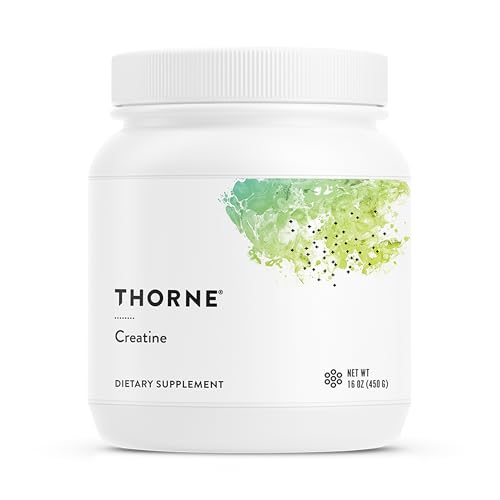
Thorne Creatine Monohydrate Powder
What We Like
- NSF Certified for Sport for banned substance assurance
- Supports cognitive function alongside muscle benefits
- Trusted by over 100 professional sports teams
- Micronized formula for potential mixability
Trade-offs
- At 90 servings, it offers fewer doses than Optimum Nutrition's 120
- No flavor options, only unflavored powder
NSF Certified for Sport means every batch is tested for nearly 300 banned substances, a critical assurance if you compete in tested leagues. This certification, paired with the brand’s clinical reputation, makes it a premium choice for athletes who prioritize purity and trust over sheer volume. You’re paying for a verified supply chain and the peace of mind that comes with it, which is why it suits those for whom a failed test isn’t an option.
The trade-off is in the serving count. At 90 servings, you get 30 fewer doses than in a tub of Optimum Nutrition Creatine Monohydrate Powder. For a dedicated lifter using it daily, that means more frequent reorders. It’s a straightforward exchange: you choose Thorne for its verified pedigree and accept a slightly smaller container, or you opt for a larger supply from a brand without the same level of specific athletic certification.
Product photos
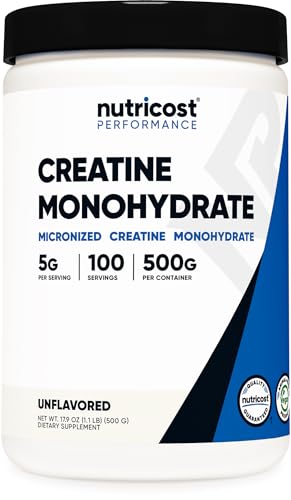
Nutricost Creatine Monohydrate Powder
What We Like
- Provides 100 servings per bottle
- Includes a measuring scoop
- Unflavored for versatile mixing
- Micronized for potential mixability
Trade-offs
- Includes only a basic measuring scoop.
- No third-party certification is mentioned.
A bottle with 100 servings of pure creatine monohydrate offers a substantial supply for consistent daily use, which is the foundation of any effective loading or maintenance protocol. This makes it a straightforward choice for lifters who prioritize a no-frills, single-ingredient supplement to support strength and endurance goals without complexity.
Each bottle contains 500 grams of pure micronized creatine monohydrate, which provides a full 100 servings for consistent daily use. The container is a compact cube, roughly five inches in each direction, making it easy to store on a crowded supplement shelf. At 1.1 pounds, it weighs the same as Orgain’s creatine but less than several other competitors’ larger containers, so it feels substantial without being cumbersome.
Product photos
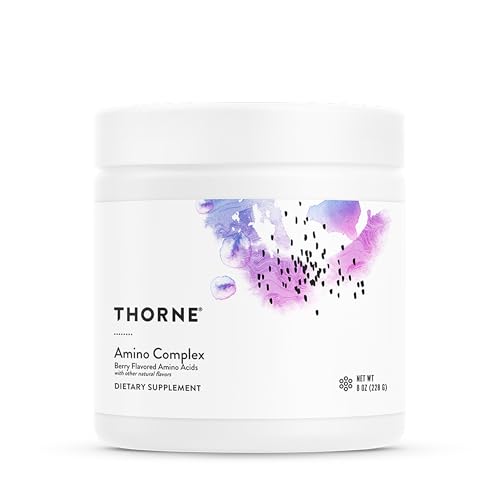
Thorne Amino Complex EAA BCAA Powder
What We Like
- Contains all nine essential amino acids
- NSF Certified for Sport for banned substance safety
- Clinically validated formula with specific BCAA ratio
- Trusted by over 100 professional sports teams
Trade-offs
- Only 30 servings, less than many pure creatine powders
- Focus on amino acids excludes other recovery aids like electrolytes
The formula provides all nine essential amino acids in a clinically validated 2:1:1 BCAA ratio, which is the complete set needed to stimulate protein synthesis and directly support muscle repair. This makes it a focused tool for someone whose primary goal is reducing soreness and accelerating recovery between intense training sessions, especially when whole food protein intake might be insufficient. The NSF Certified for Sport stamp means athletes subject to testing can use it without worrying about contaminated ingredients derailing their season.
This product is a premium amino acid blend with a specialized purpose. It focuses on recovery rather than providing the caloric bulk of a mass gainer like Dymatize Super Mass Gainer or the high-dose creatine found in options like Thorne’s own Creatine Monohydrate Powder. Think of it as a targeted recovery agent. If your main post-workout goal is sheer calorie intake or loading a single, well-researched compound like creatine, a different supplement would be a more direct fit. For those seeking targeted amino acid support with rigorous purity testing, this is a deliberately narrow and effective formulation.
Product photos
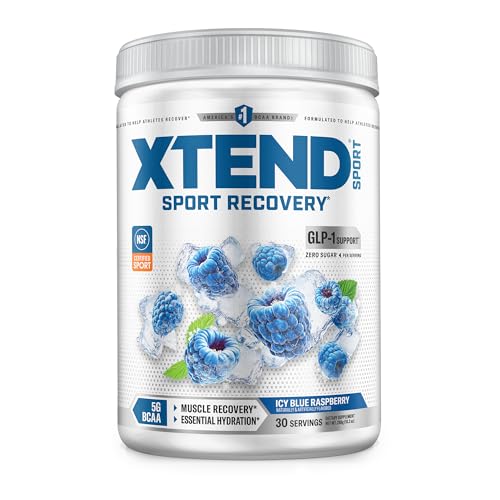
XTEND Sport BCAA Powder
What We Like
- NSF Certified for Sport ensures banned substance safety
- Zero sugar formulation avoids unwanted calories
- Added electrolytes support hydration during workouts
- 7g BCAAs in the researched 2:1:1 ratio
Trade-offs
- Requires a minimum of 14g BCAAs daily for claimed effect
- Only two flavor options are listed
The product delivers 7 grams of BCAAs per serving in the specific 2:1:1 ratio that much of the foundational research on amino acids uses. This makes it a straightforward choice for someone who wants a no-nonsense, sugar-free recovery aid with the added benefit of electrolytes to help replace what’s lost through sweat. It suits the athlete who prioritizes a clean, third-party-tested formula from a brand with a long history in the category, and who values hydration support as much as muscle recovery. The NSF for Sport certification is a concrete feature for competitors concerned about banned substances.
You get 30 servings per container, which is a smaller supply than bulk creatine powders like Nutricost’s 100-serving option. This means you’ll reorder more often if you take it daily, positioning it as a targeted supplement for around workouts rather than a high-volume staple. The formula centers on 7 grams of BCAAs and added electrolytes, supporting muscle recovery and hydration as intended.
Dymatize Super Mass Gainer

What We Like
- Calorie-dense 1,280 calories per serving
- Includes 1g creatine for strength support
- Blends fast and slow-digesting proteins
- Contains 14 essential vitamins and minerals
Trade-offs
- Large 245g carbohydrate load per serving
- Only 8 servings per 6 lb container
With 1,280 calories and 52 grams of protein in a single serving, this is a tool for a specific job: adding serious mass. It suits lifters who struggle to eat enough calories to support muscle growth through whole foods alone. The inclusion of 1g of creatine and a blend of whey and casein provides a sustained protein release, aiming to fuel recovery long after a workout. This formula is built for the single-minded goal of gaining size and strength.
Each serving delivers a substantial 1,280 calories, which means it functions more like a calorie-dense meal replacement than a simple protein supplement. With 245 grams of carbohydrates per serving, it’s designed for individuals whose primary goal is to gain mass and meet high energy demands. For those seeking muscle support with a different nutritional profile, Animal Whey Isolate Protein Powder provides 25 grams of protein per serving, though its full macronutrient breakdown isn’t specified here.
Product photos
Animal Whey Isolate Protein Powder

What We Like
- High 25-gram protein dose per serving
- Includes enzymes for improved digestion
- Manufactured in controlled USA facilities
- Naturally occurring BCAAs and EAAs
Trade-offs
- The 4-pound tub is bulkier than single-ingredient powders
- Vanilla flavoring may not suit those seeking unflavored protein
Twenty-five grams of whey isolate protein per serving delivers a concentrated, fast-absorbing dose to support muscle synthesis. This formula suits lifters who want a high-protein powder that’s gentle on the stomach, thanks to the added digestive enzymes, and who prioritize taste and mixability in their routine. The inclusion of naturally occurring BCAAs and EAAs further targets recovery, making it a comprehensive post-workout option.
This protein powder delivers 25 grams of protein per serving from a fast-absorbing whey isolate, which directly supports muscle growth and recovery after workouts. Its four-pound container is larger than many single-ingredient supplements, such as the compact creatine powders from Optimum Nutrition or Thorne. The formula includes digestive enzymes and branched-chain amino acids, making it a comprehensive post-workout option rather than a specialized creatine or amino acid product like Thorne’s Amino Complex.
Product photos
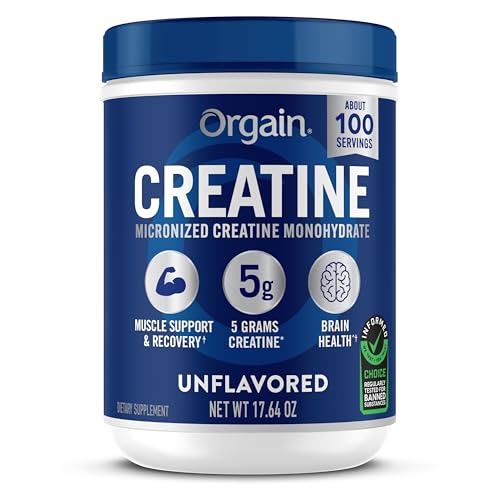
Orgain Creatine Monohydrate Powder
What We Like
- Contains only pure creatine monohydrate
- Micronized powder mixes easily
- Free of common allergens and additives
- Unflavored for versatile use
Trade-offs
- Tub is taller than most at 6.3 inches
- No third-party certification listed
This is a creatine supplement that provides exactly what it says: 5 grams of micronized creatine monohydrate per serving with nothing else added. For the buyer who is highly sensitive to fillers or who prioritizes a minimalist, clean ingredient list above all else, this formula eliminates the guesswork. The unflavored, easily mixable powder fits into any routine, whether you prefer it in water, juice, or a post-workout shake. It’s a straightforward choice for someone who wants to support muscle recovery and cognitive function without any extra ingredients.
The trade-off for that purity is a lack of external validation, like an NSF certification, which some other brands in the guide offer for added peace of mind. Compared to a product like Thorne Creatine Monohydrate Powder, which carries an NSF certification, Orgain relies solely on its own stated manufacturing standards and ingredient transparency. Your decision hinges on whether you trust a brand’s clean label promise or prefer the external verification a certified product provides.
Sports Research Creatine Monohydrate Powder

What We Like
- Informed Sport certification for banned substance testing
- Micronized formula for easy mixing
- Non-GMO, gluten-free, and soy-free formulation
- Unflavored and dissolves in cold liquids
Trade-offs
- Unflavored formula lacks taste options for some users
The Informed Sport certification is the decisive feature here, meaning every batch is screened for banned substances. For athletes subject to testing or anyone who prioritizes absolute purity in their supplements, this is a foundational layer of trust. The micronized, unflavored powder blends cleanly into shakes, delivering the standard 5-gram dose of creatine monohydrate that’s backed by decades of research for supporting strength and recovery. It suits the meticulous user who values verified purity as much as the performance compound itself.
The container has a taller profile that demands more vertical space compared to the more squat jar of something like Nutricost creatine. For anyone prioritizing batch-tested purity, however, the container’s shape is a minor concession for the assurance it provides.
Product photos
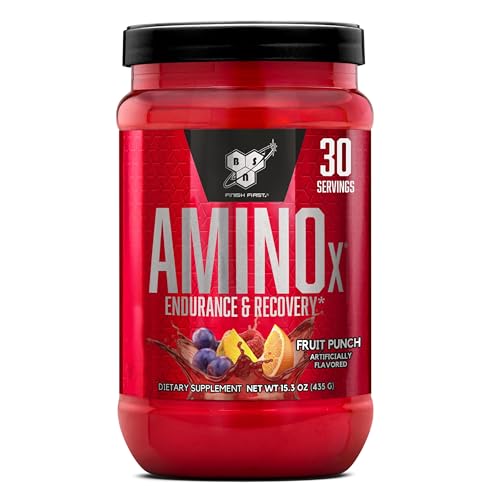
BSN Amino X BCAA Recovery Powder
What We Like
- Caffeine-free formula avoids stimulant interference
- 10g of amino acids per serving supports recovery
- Zero sugar content fits keto and diet-conscious protocols
- Powder mixes easily without clumping
Trade-offs
- Focus is solely on aminos, lacking protein or carbs for mass
Its caffeine-free nature makes this a clear pick for evening workouts or anyone avoiding stimulants, letting you add amino support without affecting your energy system. Each serving delivers 10 grams of amino acids, including BCAAs, with zero sugar, so it’s designed purely for clean muscle recovery. This fits a supplement stack where recovery ingredients are kept separate from pre-workout blends.
The product’s focus is solely on amino acids. If your post-workout routine requires additional components like protein or carbohydrates, you would need a different product such as a mass gainer. It serves as a precise tool for muscle recovery rather than a comprehensive nutritional solution.
How We Evaluated Weightlifting Supplements
Our evaluation is based on a review of product specifications, manufacturer documentation, and expert round-ups on best weight lifting supplements. We prioritized serving count per container, third-party certification for banned substances, and the specific ingredient profile for muscle support, recovery, or mass gain. We also looked at patterns in owner feedback regarding mixability and tolerability. A research-based guide like this cannot account for individual physiological responses, so personal experimentation is often necessary.
What To Look For In Weightlifting Supplements
Effective supplementation starts by identifying your primary goal, whether it’s increasing strength, accelerating recovery, or adding mass. The right product aligns with that objective and fits your budget and dietary requirements.
Look for a clear primary ingredient like creatine or whey protein, check for third-party purity certification if you’re a tested athlete, and compare serving counts to gauge long-term value.
Primary Goal Alignment
Supplements serve distinct purposes. Creatine monohydrate is the most researched for increasing strength and power output. For muscle repair and recovery, branched-chain amino acids (BCAAs) or essential amino acid (EAA) blends are common. If your goal is a significant caloric surplus for bulking, a mass gainer with protein, carbs, and added nutrients is the targeted tool. Our guide to the best supplements for strength details these core categories.
Ingredient Purity and Certification
For competitive athletes or anyone concerned about contaminants, third-party certification is crucial. Look for seals like NSF Certified for Sport or Informed Sport, which verify the product is free from banned substances. Unflavored, single-ingredient powders often represent the cleanest formulas, free from unnecessary fillers, dyes, or sweeteners. This focus on purity is a hallmark of quality in natural bodybuilding supplements.
Value and Serving Size
Compare the total servings per container, not just the price tag. A creatine powder with 100 or more servings offers better long-term value than one with 30, even at a higher upfront cost. For protein, calculate the cost per gram of protein. Also, consider mixability; micronized powders generally dissolve more easily in liquids, reducing waste and clumping. This practical approach to value is key when selecting supplements for creatine and protein.
- Check the label for a complete ingredient list, not just a proprietary blend.
- Ensure the product includes a measuring scoop for accurate dosing.
- Verify the powder mixes well in cold water if you don’t use a blender.
Start with a foundational supplement that directly supports your main training bottleneck before adding more complex stacks.
Weightlifting Supplements Compared
The table below compares key features of our top picks at a glance to simplify your choice.
| Product | Servings per container | Key ingredient per serving | Weight |
|---|---|---|---|
| Optimum Nutrition Creatine Monohydrate Powder | 120 | 5g micronized creatine | 1.9 pounds |
| Thorne Creatine Monohydrate Powder | 90 | 5 g creatine | 1.0 Pounds |
| Nutricost Creatine Monohydrate Powder | 100 | 5g creatine | 1.1 Pounds |
| Thorne Amino Complex EAA BCAA Powder | 30 | All 9 EAAs, 2:1:1 BCAA | 0.6 Pounds |
| XTEND Sport BCAA Powder | 30 | 7 grams BCAAs | 0.8 Pounds |
| Dymatize Super Mass Gainer | 8 | 52g protein | 1.3 pounds |
| Animal Whey Isolate Protein Powder | N/A | 25 grams protein | 4.0 Pounds |
| Orgain Creatine Monohydrate Powder | 100 | 5g creatine | 1.1 pounds |
| Sports Research Creatine Monohydrate Powder | 100 | 5g creatine monohydrate | 1.4 Pounds |
| BSN Amino X BCAA Recovery Powder | 30 | 10g amino acids | 1.0 pounds |
Frequently Asked Questions
Which supplement is best for weight lifting?
For most lifters seeking proven performance benefits, creatine monohydrate is the best foundational supplement. It is extensively researched for increasing strength and muscle mass. Our top pick, Optimum Nutrition Creatine Monohydrate Powder, provides a high serving count in a trusted, unflavored form.
What are the best supplements for heavy lifting?
The best supplements for heavy, intense lifting sessions support energy production and recovery. This includes creatine for strength, BCAAs or EAAs to aid muscle repair, and a fast-digesting protein like whey isolate post-workout. For a detailed breakdown, see our research on supplements for weight lifters.
What age is hardest to gain muscle?
While muscle building can be challenging at any age without proper training and nutrition, muscle protein synthesis naturally becomes less efficient after age 30, a process called sarcopenia. This makes consistent protein intake and resistance training even more critical, though significant gains are still very possible.
What are the big 3 supplements?
In weightlifting circles, the “big three” foundational supplements are typically creatine monohydrate, whey protein, and a branched-chain amino acid (BCAA) product. These cover the core needs of strength support, muscle repair, and recovery. Our guide explores top options for these categories and other lifting supplements.
Do I need a post-workout supplement?
A dedicated post-workout supplement is not strictly necessary if you consume a balanced meal with protein and carbohydrates soon after training. However, a fast-absorbing protein powder or EAA blend can be convenient for immediately fueling muscle repair, especially discussed in resources on best post-workout supplements.
The Bottom Line
Optimum Nutrition Creatine Monohydrate Powder is the best overall weightlifting supplement for most people, offering exceptional value and a pure formula for strength gains. Budget-focused lifters should consider the Nutricost Creatine Monohydrate Powder, while competitive athletes need the certified purity of the Thorne or Sports Research picks.
Your single most important decision is matching the supplement’s primary function, be it strength, recovery, or mass, to your current training phase. A clean, well-dosed product that aligns with your goal will always outperform a trendy, over-engineered blend.
