
9 Best Whey Protein Supplements in 2026
This post contains affiliate links. As an Amazon Associate, we earn from qualifying purchases.
Our best overall whey protein is Optimum Nutrition Gold Standard Whey Protein, a balanced blend known for easy mixing and dependability. We also highlight Dymatize ISO100 for fast absorption and Transparent Labs for a clean, grass-fed formula. Choosing the right protein involves more than just grams per scoop; it’s about matching the powder’s source, digestibility, and ingredient list to your specific diet and fitness goals.
This guide is based on a review of product specifications, manufacturer data, and patterns in owner feedback to help you cut through the marketing and find a supplement that works for you.
Top 9 Whey Protein Supplements in the Market
Certain content that appears on this site comes from Amazon. This content is provided "as is" and is subject to change or removal at any time.
The Best Whey Protein Supplements, Reviewed
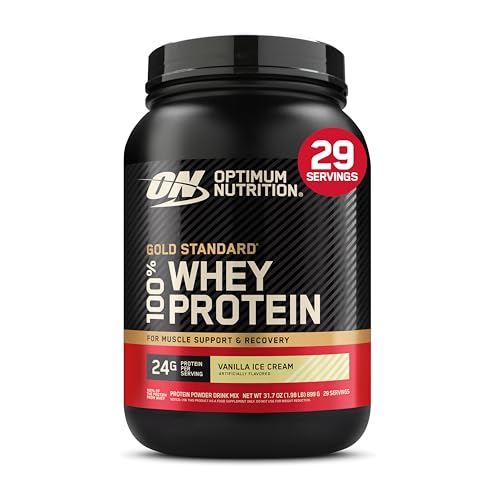
Optimum Nutrition Gold Standard Whey Protein
What We Like
- Loaded with 5.5g of naturally occurring BCAAs
- Ultra easy mixing with an instantized formula
- Banned substance tested for safety assurance
Trade-offs
- Protein per serving is lower than some isolates like Transparent Labs (28g)
With 24 grams of protein and 5.5 grams of BCAAs per scoop, this formula provides a solid foundation for muscle support and recovery after a workout. It’s a versatile, anytime protein from a brand with a long track record, making it a reliable default choice for someone who wants a balanced, well-tested supplement without overcomplicating things. The instantized mixing means you won’t be left chewing clumps, which is a small but real quality-of-life win when you’re tired post-lift.
If your primary goal is maximizing protein intake with minimal carbs and fat, a dedicated isolate like Dymatize ISO100 might be a sharper tool. For the average person integrating protein into their daily routine, however, the Gold Standard’s combination of trusted safety testing, easy use, and proven performance justifies its spot as a foundational pick.
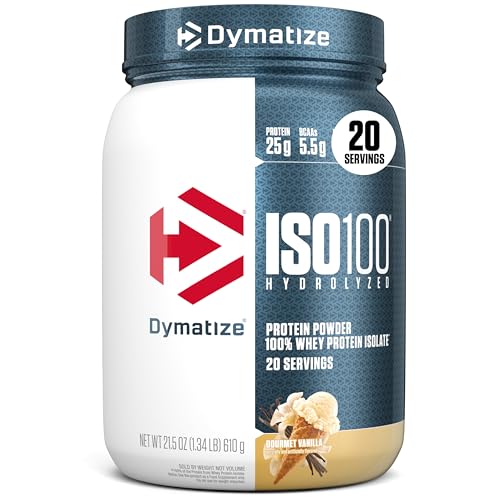
Dymatize ISO100 Whey Isolate Protein
What We Like
- Hydrolyzed for fast digestion and absorption
- Filtered to remove excess lactose, carbs, and fat
- Simple macro profile and gluten-free
- Wide variety of gourmet flavor options
Trade-offs
- At 20 servings, the 1.3-pound tub runs out faster than bulk options
- Smaller serving count compared to 4-pound industry staples
Hydrolyzed whey isolate means the protein is broken down into small peptides before it hits your shaker. That facilitates faster digestion and absorption, which is the entire point for post-workout nutrition when your muscles are primed. The filtration process strips out most of the lactose, carbs, and fat, leaving you with a simple, 25-gram protein hit that’s under 120 calories. It’s a straightforward choice for anyone, from gym veterans to those just starting, who wants a clean, rapidly available protein source without digestive hassle.
With only 20 servings in the container, this protein powder requires more frequent purchases compared to bulk options like Optimum Nutrition’s 2-pound tub. Its formulation prioritizes rapid absorption through hydrolyzed whey isolate, which means it digests quickly after workouts. The trade-off is that you’ll restock sooner than with larger competitors, making it better for focused supplementation cycles rather than long-term bulk storage.
Transparent Labs Grass-Fed Whey Protein

What We Like
- Clean formula with no artificial additives
- High 28g protein per serving
- Contains all nine essential amino acids
- Easily digestible and light on stomach
Trade-offs
- No added vitamins or creatine like some formulas
- Only one flavor option in this listing
With 28 grams of protein per serving sourced from 100% grass-fed whey isolate, this powder delivers a high concentration of muscle-building amino acids without unnecessary additives. Its formulation avoids artificial sweeteners, dyes, and gluten, which can reduce digestive discomfort for many users. This clean approach makes it a straightforward choice for supporting recovery and muscle growth through supplementation.
The trade-off is in the specialization. You won’t find added bells and whistles like the immune-support vitamins in Isopure or the extra creatine in some muscle-building blends. It’s a premium, single-ingredient-focused product. Compared to something like NAKED Nutrition’s unflavored whey, which also prioritizes minimal ingredients, Transparent Labs offers a naturally flavored version for those who want taste without artificial sweeteners, but in a specific, smaller container size.
Product photos
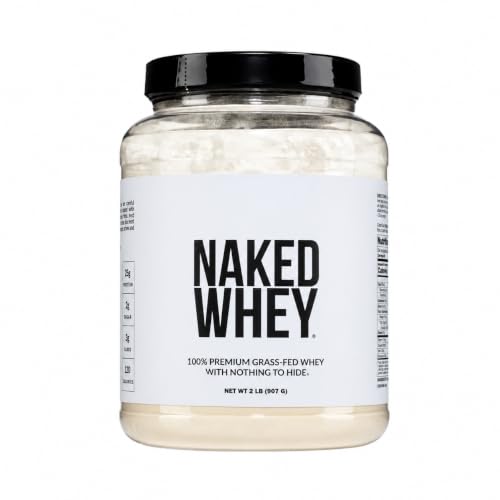
NAKED Nutrition Grass-Fed Whey Protein
What We Like
- Contains only one pure ingredient
- Cold processed with no synthetic additives
- NSF certified for purity and safety
Trade-offs
- Unflavored profile may not suit those wanting taste
- At 2g of sugar, it's not a zero-sugar option
Its sole ingredient is 100% grass-fed whey protein, which means you know exactly what you’re getting with no hidden additives. This purity delivers 25 grams of protein and 5.9 grams of BCAAs per serving, sourced from non-GMO dairy farms. The whey is cold-processed without chemical detergents to help maintain naturally occurring growth factors, and its formulation is verified for safety by NSF certification.
You’re getting a blank canvas, not a ready-to-drink treat. The unflavored powder relies on you to blend it into something palatable, which is perfect for smoothies but a non-starter if you just want to mix and go. Compared to something like Transparent Labs Grass-Fed Whey Protein, which comes pre-flavored, NAKED Whey demands more effort in the kitchen. It delivers exceptional purity, but that comes with the responsibility of being your own flavor chemist.
Isopure Zero Carb Whey Isolate

What We Like
- Provides 25g of protein per serving
- Contains zero carbohydrates
- Unflavored for versatile mixing
Trade-offs
- A 1-pound container offers fewer servings than bulk options
- The unflavored profile lacks taste for those preferring flavor
With zero carbohydrates and 25 grams of protein per serving, this isolate is designed for those strictly tracking carb intake while aiming to meet protein goals. It suits anyone prioritizing pure protein supplementation, particularly if managing a ketogenic or low-carb diet is part of the plan. The added vitamins are a thoughtful touch for general wellness support.
The 1-pound container is smaller than multi-pound options from other brands, so buyers will need to reorder more frequently. For pure protein supplementation, it delivers exactly what the label promises. Some athletes may look to other products, like Dymatize ISO100 with its hydrolyzed proteins or Transparent Labs with 28 grams per serving, for different formulations aimed at muscle recovery.
Body Fortress Super Advanced Whey Protein

What We Like
- 30g protein per serving supports muscle growth
- Chocolate peanut butter flavor for taste variety
- Clean formula free from aspartame
- Complete amino acid profile with BCAAs
Trade-offs
- 1.78 lb tub is smaller than many 2 lb competitors
- Packaging may vary, which can be inconsistent
Each serving delivers 30 grams of protein, which provides a solid foundation for post-workout recovery and muscle support. This uncomplicated formula works well for anyone seeking a simple, effective protein source without extra frills. The chocolate peanut butter flavor helps it stand out from the usual vanilla and chocolate options, and the absence of aspartame fits a cleaner dietary approach. It suits the budget-conscious buyer who prioritizes core protein delivery over specialized processing or sourcing claims.
Each serving delivers 30 grams of high-quality whey protein, a substantial amount that supports muscle growth and recovery after training. The formula includes a complete amino acid profile with BCAAs, which aids muscle repair. At 1.78 pounds, the tub is smaller than many competitors’ offerings, such as Animal’s 4-pound container, meaning it will need to be replaced more frequently for regular users.
Product photos
Animal 100% Whey Protein

What We Like
- High BCAA content supports muscle repair
- Low sugar content at just 1g per serving
- Produced in a GMP certified US facility
- Mixes easily with no chalky aftertaste
Trade-offs
- 20g protein per scoop is lower than some premium isolates
- 4-pound tub is bulkier than 1-2 pound travel options
Animal 100% Whey Protein provides over 4.6 grams of naturally occurring BCAAs per serving, which are crucial for repairing and growing body tissue after a workout. This makes it a straightforward choice for athletes focused on recovery, backed by a family-owned brand with more than 40 years in sports nutrition. The formula mixes easily with only one gram of sugar, avoiding a chalky aftertaste for a simple post-training shake.
Its protein concentration is the main consideration. At 20 grams per scoop, it delivers less pure protein than isolates like Dymatize ISO100, which pack 25 grams into a serving. Animal’s formula is better viewed as a comprehensive recovery aid rather than a maximal protein-per-calorie source. For someone focused purely on hitting high protein targets with minimal carbs and fat, a dedicated isolate might be a more efficient choice, but for balanced recovery support, this blend holds its ground.
Product photos
MuscleTech Nitro-Tech Whey Protein

What We Like
- Clinically studied 2-in-1 protein and creatine formula
- Micro-filtered with digestive enzyme support
- Milk chocolate flavor developed with flavor innovators
- U.S. government patented formula
Trade-offs
- Contains 3g of creatine per serving, which is unnecessary for those already supplementing it separately
This formula delivers 30 grams of protein and 3 grams of creatine in a single scoop, a combination backed by clinical research showing significant lean muscle gains. It’s designed for lifters who want a consolidated supplement routine, eliminating the need to buy and mix separate powders. The inclusion of a digestive enzyme complex also means the protein is processed more efficiently, which matters after a tough workout when your system might be sensitive.
Consider its size before you buy. At four pounds, it’s a commitment, both in terms of upfront cost and cabinet real estate. If your primary goal is pure protein without extras, or if you prefer a smaller container like the 2-pound Optimum Nutrition Gold Standard, this all-in-one approach might feel like overkill. It’s a specialized tool for a specific job.
Product photos
NAKED Whey Isolate Protein

What We Like
- Only two ingredients: whey isolate and sunflower lecithin.
- Zero carb and sugar-free macro profile.
- Sourced from grass-fed, hormone-free cows.
- Chemical-free, ultra-filtration manufacturing process.
Trade-offs
- Unflavored formula requires user to add taste.
- Solubility may depend on added sunflower lecithin.
- Two-pound tub is a smaller size option.
With 30 grams of protein and zero carbs per serving, this isolate delivers a pure, macro-focused punch for those tracking intake to the gram. It suits the minimalist who wants nothing but protein from grass-fed cows, processed without chemical detergents. The informed buyer will appreciate the third-party testing and the lack of aftertaste reported by owners, making it a stealth ingredient for shakes. If your priority is a clean slate for recipes without sweeteners, this is a strong contender.
Its uncompromising purity defines the experience. The unflavored, two-ingredient approach means you’re responsible for making it palatable. For a ready-to-drink vanilla shake, you’d look to something like Dymatize ISO100. But if you’ve been burned by bloating or artificial additives in other powders, the ultra-low lactose and simple label here are the specific antidote. It’s a protein source, not a dessert.
Product photos
How We Evaluated Whey Protein Supplements
Our evaluation started with the product specifications and manufacturer documentation for each supplement, noting the type of whey, protein content per serving, and ingredient lists. We then compared these details against expert round-ups and aggregated owner feedback, looking for consistent patterns on key factors like mixability, taste, and digestive comfort.
The most important criteria were the protein source and processing (like concentrate vs. Isolate), the grams of protein per serving relative to other ingredients, and the presence of third-party testing for purity. We also considered the practical realities of flavor variety and how a powder’s ingredient profile aligns with specific dietary goals, such as low-carb or minimalist eating.
A research-based guide has clear limits: taste preferences and individual digestive responses are subjective. The goal is to present compiled information to aid in making an informed choice, but personal experience will always be the deciding factor.
What To Look For In Whey Protein Supplements
Understanding the core differences between protein types and labels helps you select a powder that supports your routine without unwanted additives or digestive issues.
Focus on the protein source (concentrate, isolate, or hydrolysate), the protein content per serving, and third-party purity certifications. Avoid unnecessary fillers and match the formula to your dietary needs, whether that’s low-carb, lactose-free, or a clean, grass-fed source.
Protein Source and Type
Whey protein comes in several forms, primarily concentrate and isolate. Concentrate contains more of the natural fats and lactose from milk, often making it more affordable but potentially harder to digest for some. Isolate undergoes further processing to remove most of this fat and lactose, resulting in a higher percentage of protein per scoop and a product that’s often better for those with lactose sensitivity.
Hydrolyzed whey, like in our Best Hydrolyzed Protein pick, is pre-digested or broken down for even faster absorption, though it often comes at a premium cost. Your choice here directly impacts digestibility, cost, and how quickly the amino acids may become available to your muscles.
Protein Content and Purity
Look beyond the marketing on the tub and check the nutrition label for the actual grams of protein per serving. A high-quality powder should derive most of its calories from protein, not from added sugars or fats. For those focused on muscle building, a general guideline is to seek at least 20 grams of high-quality protein per serving.
Equally important is purity assurance from third-party certifications like NSF Certified for Sport or Informed Choice. These labels indicate the product has been tested for banned substances and that the contents match the label, a critical check for competitive athletes and anyone concerned about contaminants.
Our research into pure protein supplements emphasizes this focus on clean labels and verified content.
Additional Ingredients and Dietary Fit
The ingredient list tells the real story. Some formulas are intentionally simple, containing just whey and maybe an emulsifier like sunflower lecithin for mixability. Others include added vitamins, digestive enzymes, creatine, or BCAAs. Decide if you want a single-ingredient base or a multi-purpose blend. Your dietary goals narrow the field further; a strict keto diet demands a zero-carb protein option, while someone with digestive sensitivity might prioritize a clean protein supplement. Flavor variety and sweeteners (natural vs. Artificial) are also key practical considerations for long-term use.
- Check the sugar and carbohydrate content per serving.
- Review the type of sweeteners used (e.g., stevia, sucralose, monk fruit).
- Look for certifications if you’re a competitive athlete.
- Consider if you want added performance ingredients like creatine or a standalone protein.
The best protein powder is the one you’ll consistently use, so prioritize a formula that fits your taste preferences and dietary restrictions.
Whey Protein Supplements Compared
The table below compares key attributes of our top picks at a glance, from protein type to serving size.
| Product | Protein per serving | Weight | Key absence/feature |
|---|---|---|---|
| Optimum Nutrition Gold Standard Whey Protein | 24g | 2.0 Pounds | Banned substance tested |
| Dymatize ISO100 Whey Isolate Protein | 25g | 1.3 pounds | N/A |
| Transparent Labs Grass-Fed Whey Protein | 28g | 2.3 pounds | No artificial sweeteners or dyes |
| NAKED Nutrition Grass-Fed Whey Protein | 25g | 2.0 Pounds | Only 1 Ingredient |
| Isopure Zero Carb Whey Isolate | 25g | 1.0 pound | Zero carb |
| Body Fortress Super Advanced Whey Protein | 30g | 1.8 Pounds | Low sugar |
| Animal 100% Whey Protein | 20g | 4.0 Pounds | GMP certified, 3rd party tested |
| MuscleTech Nitro-Tech Whey Protein | 30g | 4.0 pounds | 3g of Creatine |
| NAKED Whey Isolate Protein | 30g | 2.0 pounds | Zero carb |
Frequently Asked Questions
Which whey protein supplement is best?
The “best” depends entirely on your goals. For a reliable, well-rounded option that mixes easily and is trusted by many, Optimum Nutrition Gold Standard Whey is a solid overall choice. If rapid absorption is your priority, a hydrolyzed formula like Dymatize ISO100 is worth considering.
What whey protein brand is the most trusted?
Trust is built on consistent quality and transparency. Brands that consistently use third-party testing for purity and accurate labeling, such as those with NSF or Informed Sport certifications, are generally considered more trustworthy. Several brands in our list, including NAKED Nutrition and Dymatize, carry such verifications.
What’s the most effective whey protein for muscle gain?
Effectiveness for muscle gain hinges on sufficient daily protein intake paired with resistance training. A powder providing at least 20 grams of high-quality protein per serving is effective. Formulas that also include creatine, like MuscleTech Nitro-Tech, are designed specifically for this goal, though the creatine may be redundant if you already supplement it separately.
Which is better, whey concentrate or isolate?
Whey isolate has more protein per gram and less lactose and fat than concentrate, making it a better choice for those limiting carbs/fat or who are lactose-sensitive. Concentrate is often more affordable and contains more of the beneficial bioactive compounds found naturally in whey. Your budget and dietary tolerance will determine which is better for you.
Can I use whey protein if I’m lactose intolerant?
Many people with lactose intolerance can tolerate whey protein isolate or hydrolyzed whey, as most of the lactose is removed during processing. Look for products specifically filtered to remove lactose. Starting with a small serving to assess tolerance is always a good idea, and you can explore plant-based protein supplements as an alternative.
The Bottom Line
Optimum Nutrition Gold Standard Whey Protein earns the best overall spot for its proven track record, easy mixing, and balanced nutritional profile, making it a dependable daily driver for most lifters.
If you’re on a tight budget, consider the Body Fortress Super Advanced Whey Protein. For those seeking rapid absorption or an ultra-clean, grass-fed formula, look to the Dymatize ISO100 and Transparent Labs picks, respectively.
Ultimately, the most important factor is choosing a protein source and formula you will use consistently, one that aligns with your specific health goals and dietary needs without unnecessary additives.
