
Causes of High SHBG in Men: Key Factors and How to Test
This post contains affiliate links. As an Amazon Associate, we earn from qualifying purchases.
The primary causes of high SHBG in men are liver disease (especially cirrhosis), hyperthyroidism, certain medications (estrogen, anticonvulsants), aging, HIV infection, and rare genetic variants. The condition acts as a sponge, binding up circulating testosterone. This can lead to symptoms of low testosterone, like fatigue and low libido, even when a standard blood test shows a normal total testosterone level.
That disconnect between how you feel and what a basic lab says is where most of the frustration lives. A total testosterone number alone tells you what’s in the bloodstream, not what’s actually available for your tissues to use. High SHBG changes that math significantly.
What follows is a breakdown of the specific medical conditions, medications, and lifestyle factors that drive SHBG up, which is essentially a guide to the causes of high shbg in men. This explains how to interpret your labs when SHBG is high, when more testing is actually needed, and what medical and natural steps can fix the root cause instead of just the symptom.
Key Takeaways
- High SHBG acts as a testosterone sponge, creating a shortage of active hormone that can cause hypogonadal symptoms despite normal total T levels.
- The most common medical drivers are liver cirrhosis and hyperthyroidism; SHBG can reach up to 140 nmol/L in men with severe thyroid overactivity.
- Genetic variants and HIV are under-recognized causes of marked elevation (SHBG >100 nmol/L), often requiring a specific workup when common causes are ruled out.
- Calculated free testosterone is essential for diagnosis when SHBG is high, as total testosterone alone can be misleading.
- Management focuses on treating the underlying condition first; lifestyle changes like improving insulin sensitivity can provide a secondary lever.
What SHBG Does and Why High Levels Matter
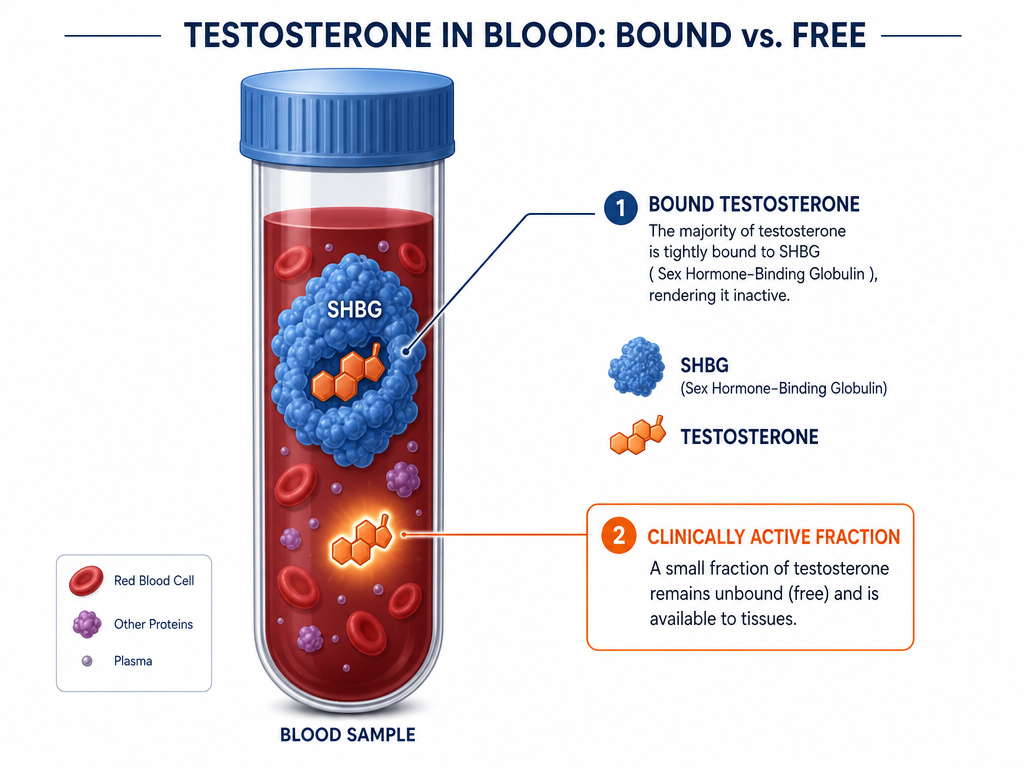
Think of SHBG as a circulating parking garage for sex hormones. It’s a transport protein. Its job is to bind tightly to testosterone and estradiol, holding them in reserve. Only a tiny fraction of your total testosterone, between 1% and 4%, circulates in an unbound, or “free,” state that your muscles, brain, and other tissues can actually use.
When your SHBG levels climb, that parking garage gets bigger and fills up with more cars. The result is less free parking, less free testosterone, available for immediate use. Your body may have a perfectly adequate total supply of hormone, but the usable amount drops. This is why the standard advice to just check total testosterone fails for a significant number of men. The symptoms of low T can be identical: low energy, diminished drive, poor recovery. But the cause and the solution are different.
The Technical Snapshot: Sex hormone-binding globulin (SHBG) serves as a high-affinity transport protein for testosterone. It binds reversibly with an association constant around 1 × 10^9 L/mol, effectively regulating the bioavailability of sex steroids. In men, SHBG-bound testosterone typically constitutes 30–45% of the total testosterone pool.
What Are the Primary Medical Causes of High SHBG?
The list of causes of high shbg in men isn’t long, but the impacts are significant. The two heaviest hitters are liver disease and thyroid overactivity. These aren’t subtle nudges; they can double or triple your SHBG level.
Liver Disease, Especially Cirrhosis
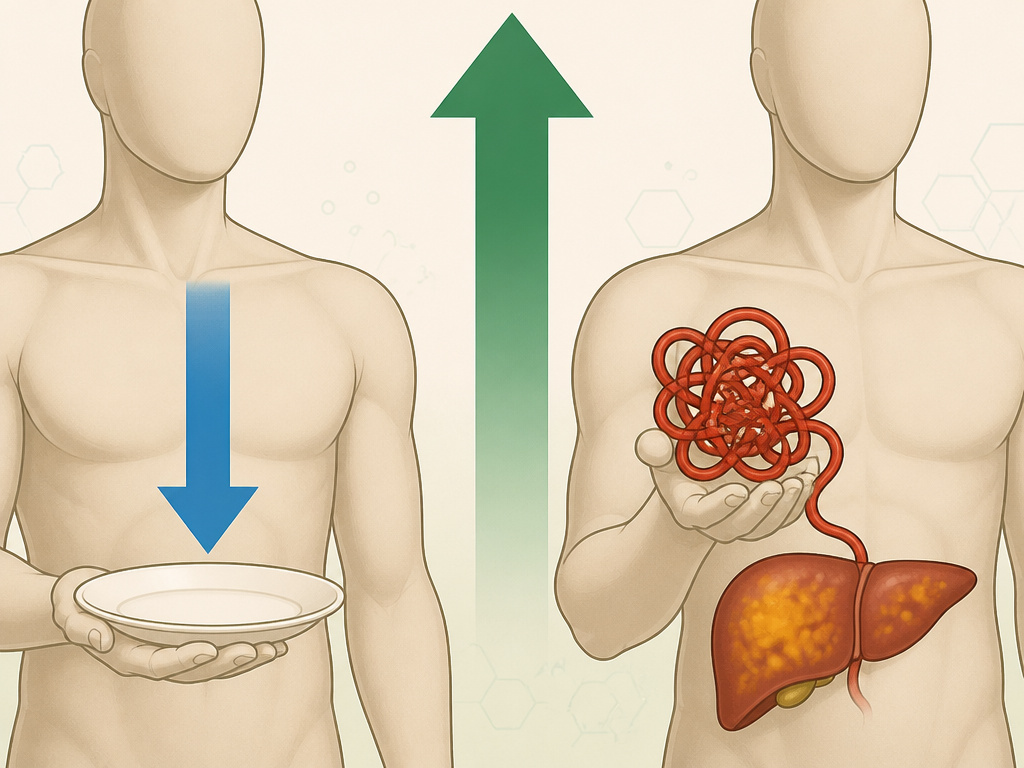
Your liver manufactures SHBG. When it’s damaged by conditions like cirrhosis, hepatitis, or fatty liver disease, production can go haywire. The liver’s regulatory mechanisms break down, often leading to overproduction. Multiple sources, including the CDC’s NHANES documentation, list cirrhosis as a classic cause of high SHBG. If you have known liver issues and symptoms of low T, your SHBG is the first place to look.
Hyperthyroidism
This is a major driver. The 2015 review in Best Practice & Research Clinical Endocrinology & Metabolism is specific: in hyperthyroidism, SHBG can reach up to 140 nM in men (and 170 nM in women) with thyrotoxicosis. Thyroid hormone directly stimulates SHBG production. An overactive thyroid doesn’t just speed up your metabolism; it commandeers your hormone transport system. This is one of the clearest examples of a non-liver condition dramatically altering SHBG.
HIV Infection and Genetic Variants
These are the edge cases that break the standard diagnostic script. The NIH review notes that some men with HIV may have markedly elevated SHBG. Rare variants in the SHBG gene (like rs6258 or rs12150660) can cause inherited high SHBG. A 2023 study in the Journal of the Endocrine Society focused on men with SHBG levels >100 nmol/L, a threshold they defined as “markedly elevated.” In that cohort, a significant portion had no identifiable liver or thyroid cause, pointing toward these genetic or idiopathic factors.
Aging
It’s not a disease, but it’s a consistent trend. SHBG levels tend to rise in men with increasing age. This gradual creep is one reason older men can have mid-range total testosterone but still experience symptoms of deficiency. The free fraction just gets smaller.
| Medical Condition | Mechanism of SHBG Increase | Typical SHBG Impact |
|---|---|---|
| Liver Cirrhosis | Dysregulated overproduction by damaged liver. | Often high, can exceed standard reference range. |
| Hyperthyroidism | Direct stimulation of SHBG synthesis by excess thyroid hormone (T3/T4). | Can reach 140 nmol/L or more in men. |
| HIV Infection | Chronic inflammatory state and potential direct viral effect. | Can cause “markedly elevated” levels (>100 nmol/L). |
| Genetic SHBG Variants | Inherited alteration in SHBG protein structure or regulation. | Lifelong elevation, often identified after ruling out other causes. |
| Aging | Gradual, multifactorial shift in hepatic protein synthesis. | Steady increase over decades, compounding other factors. |
Medications and Hormones That Increase SHBG
What you put in your body can be as powerful as a disease state. Several common drug classes have a known SHBG-elevating effect.
Estrogen-Containing Compounds
This is the most direct pharmacological lever. Estrogen is a potent stimulator of SHBG production. This includes oral estrogen therapy, certain types of hormone therapy, and, relevant for transgender women, feminizing hormone regimens.
Anticonvulsant Medications
Some older generation anti-seizure drugs, like phenytoin and carbamazepine, are well-documented to increase SHBG. This is a crucial piece of history for any man on long-term seizure management who presents with low-T symptoms.
Where this goes sideways: Assuming a normal total testosterone result means symptoms aren’t hormone-related. On these medications, your total T might look fine on paper while your free T is in the tank. You’ll feel the deficiency long before the standard lab flags it.
The mechanism here isn’t fully understood but is thought to involve increased hepatic synthesis. If you’re on one of these drugs and struggling with energy or libido, asking for an SHBG and free testosterone test is a reasonable next step.
Lifestyle and Metabolic Factors
This is where the conversation gets murkier. The research is less consistent than for medical causes, but some strong patterns emerge.
Severe Caloric Restriction and Anorexia
Extreme dieting and eating disorders are associated with higher SHBG. The body may be upregulating SHBG as part of a starvation response, perhaps to conserve sex hormones. It’s a reminder that the hormone system is deeply integrated with energy balance.
The Insulin Resistance Puzzle
Here’s a point of confusion: obesity and metabolic syndrome are consistently linked to low SHBG. Insulin is a suppressor of SHBG production. However, the relationship between insulin resistance and SHBG isn’t a simple on/off switch. In advanced metabolic dysfunction, other factors like liver inflammation (from NAFLD) can come into play, potentially muddying the direct insulin signal. The general rule holds: improving insulin sensitivity through diet and exercise is more likely to lower SHBG than raise it.
How High SHBG Masks True Testosterone Status
This is the core clinical takeaway. A high SHBG level distorts the most common lab test, total testosterone, making it an unreliable gauge of your androgen status.
We can use the numbers from the 2023 Endocrine Society study. They looked at men with SHBG >100 nmol/L who also had primary hypogonadism (a testicular problem).
If a doctor relied solely on total testosterone, these men would have been told their testosterone was “normal” or even “good,” and their hypogonadism would have been missed. Their symptoms would have been dismissed or attributed to something else.
The part nobody mentions: A normal total testosterone result can be a false reassurance. When SHBG is high, that total number is mostly reporting on hormone that’s locked away and inactive. The clinical truth is in the free fraction.
This is precisely why leading guidelines, like the 2023 statement in Clinical Endocrinology, state: “When SHBG is above the reference range, calculated free testosterone may help diagnose hypogonadism despite normal total testosterone levels.” Your diagnostic tool must match the problem. High SHBG requires calculating or directly measuring free testosterone.
Symptoms: What Does High SHBG Feel Like?
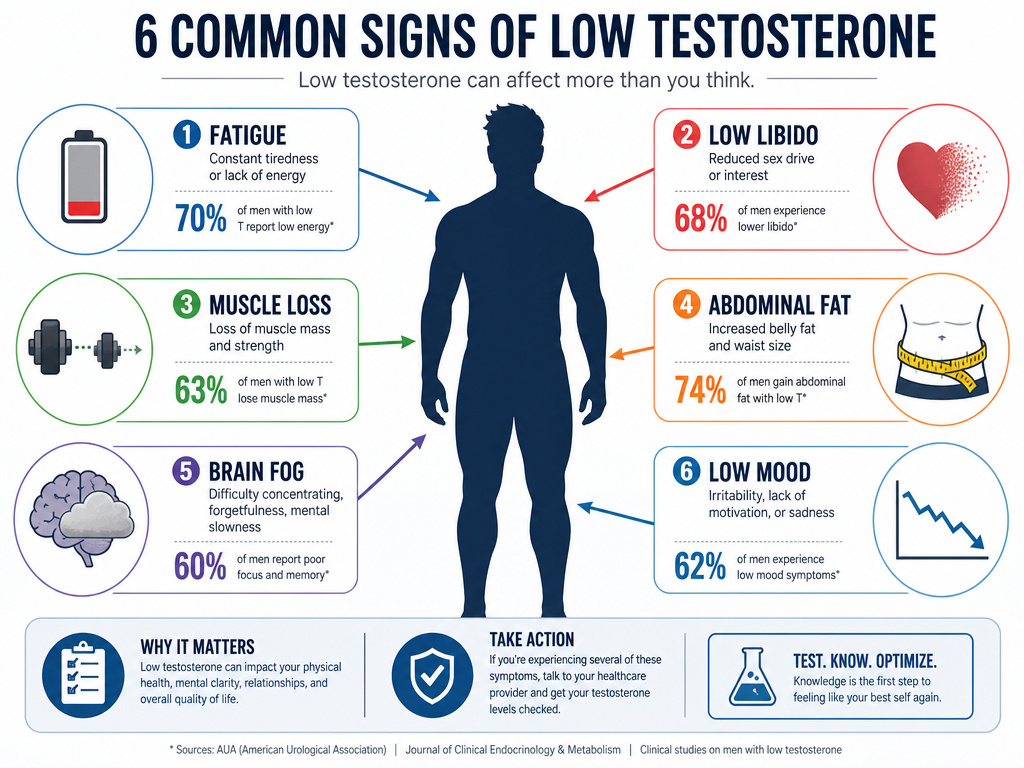
The symptoms aren’t unique. They’re the classic symptoms of low bioavailable testosterone, because that’s exactly what’s happening.
- Low energy and persistent fatigue
- Reduced libido and erectile difficulties
- Decreased muscle mass and strength, despite training
- Increased body fat, particularly abdominal fat
- Brain fog, poor concentration, low motivation
- Mild depressive mood
The confusing part is that these symptoms can appear gradually, especially if the SHBG increase is due to aging or a slow-onset condition like fatty liver. You might chalk it up to “just getting older.” The key differentiator from primary hypogonadism is the lab pattern: normal or high total T, high SHBG, low free T. Getting the right labs is the only way to tell.
Testing and Diagnosis: What to Ask For
You can’t manage what you don’t measure. If you suspect high SHBG is an issue, a basic testosterone panel won’t cut it.
1. The Essential Lab Panel
Start with a full hormone panel, ideally drawn in the morning (before 10 AM) in a fasted state. The must-haves are:
- Total Testosterone
- SHBG
- Albumin (for the most accurate calculated free T) With these three values, your doctor (or an online calculator) can determine your Calculated Free Testosterone. This is the workhorse for high-SHBG situations. Direct measurement by equilibrium dialysis is the gold standard but is less commonly available.
2. Investigating the Cause
If your SHBG is high, the next step is to find out why. This isn’t academic; it dictates treatment. Your doctor will likely order:
- Liver Function Tests (LFTs): ALT, AST, ALP, GGT, bilirubin.
- Thyroid Panel: TSH, Free T4, Free T3.
- Additional Tests: Based on history, they may check for HIV, review your medication list, or in cases of marked idiopathic elevation, consider genetic testing.
3. Interpreting the Numbers
Use the SHBG reference ranges as a guide, but remember context. The CDC NHANES method lists an adult male reference range of 10–80 nmol/L, while a 2023 study defined “markedly elevated” as >100 nmol/L for cohort analysis. Any result above the standard range warrants a look at your free testosterone and a search for underlying causes.
Management and Treatment Strategies
You don’t treat the high SHBG number itself. You treat the condition causing it, and you address the resulting hormone deficiency if it exists.
1. Treat the Root Cause
This is always step one.
- For Hyperthyroidism: Appropriate thyroid management (medication, radioactive iodine) will bring SHBG down as thyroid levels normalize.
- For Liver Disease: Treating the underlying liver condition (alcohol cessation, antivirals for hepatitis, weight loss for NAFLD) is paramount. As liver health improves, SHBG production should stabilize.
- For Medication-Induced Elevation: Review the necessity of the offending drug with your prescribing doctor. Never stop medication on your own.
2. Address the Testosterone Deficiency
If free testosterone is low and symptoms are significant, testosterone replacement therapy (TRT) may be considered. However, SHBG and TRT have a special relationship. Men with high SHBG often require higher doses or different protocols to achieve the same free T levels as men with normal SHBG. This requires careful, experienced medical management.
3. Supportive Lifestyle Measures
While lifestyle’s direct effect on high SHBG is smaller than fixing a medical condition, these steps support overall hormonal health:
- Optimize Insulin Sensitivity: A whole-food diet low in refined sugars can help manage underlying metabolic drivers.
For a deeper dive on natural approaches, our guide on how to lower SHBG naturally explores these options in detail.
Anabolic Steroid Use and SHBG
Using androgenic anabolic steroids can significantly lower your SHBG levels. This is because SHBG production by the liver is suppressed by androgens. When SHBG is low, a larger proportion of your total testosterone is in the free, active form. This is one reason why men using these substances often have very low total testosterone readings on blood tests, yet may not exhibit classic symptoms of hypogonadism. The calculated free testosterone value in this context is more clinically useful. If you are using or have recently used anabolic steroids, you must inform your healthcare provider, as this directly impacts the interpretation of your hormone panel.
Frequently Asked Questions
Why is my SHBG so high male?
The most common reasons are liver disease (like cirrhosis), hyperthyroidism, certain medications (estrogen, some anticonvulsants), and aging. Less commonly, it can be due to HIV infection or rare genetic variants. Often, a combination of factors like age and mild thyroid dysfunction is at play. Finding the cause requires specific blood tests for liver, thyroid, and a review of your medications.
How to bring down SHBG in men?
You lower SHBG by treating what’s raising it. There’s no direct “SHBG-lowering pill” for most cases. If it’s hyperthyroidism, treating that condition will bring SHBG down. If it’s driven by a medication, working with your doctor to find an alternative may help. For lifestyle contributors, improving insulin sensitivity through diet and exercise and ensuring adequate calorie intake can provide modest support. The focus should always be on the underlying cause.
What is a good SHBG level for men on TRT?
There’s no single “good” level, as SHBG interacts with TRT dosing. The goal is to have SHBG within the normal reference range (e.g., 10–80 nmol/L per CDC) so that your total and free testosterone levels are in harmony. Very high SHBG on TRT may mean you need a higher dose to achieve sufficient free testosterone. Very low SHBG might require more frequent injections to avoid peaks and troughs. The ideal is a stable mid-range SHBG that allows for predictable dosing and steady free T levels.
What supplements can help lower elevated SHBG levels?
The evidence for supplements is limited. The mineral boron (3-10 mg daily) has the most research suggesting a modest SHBG-lowering and free-testosterone-increasing effect. Crucially, supplements should never replace diagnosing and treating a medical cause like thyroid or liver disease. They are, at best, supportive tools after the major levers have been pulled.
The Bottom Line
High SHBG isn’t a diagnosis; it’s a signpost. It points to something else going on, in your liver, your thyroid, your medication list, or your genes. The real risk is that it hides a testosterone deficiency behind a normal-looking lab result, leaving you to manage symptoms without an answer.
If your energy and drive are low but your total testosterone test came back fine, ask for one more number: your SHBG. Calculate your free testosterone. That single step moves you from guessing to knowing. From there, the path is clear: find and treat the cause, and if a deficiency remains, address it with precision. Your hormones are a system, not a single gauge. Read the whole dashboard.
