
How to Increase Sperm Count Naturally: Step-by-Step
This post contains affiliate links. As an Amazon Associate, we earn from qualifying purchases.
To increase sperm count naturally, focus on diet, weight management, and avoiding heat and toxins. A Mediterranean or DASH diet can raise sperm concentration by a mean difference of 6.88 million per milliliter. For men with obesity, losing more than 11.7 kg (about 26 lbs) can increase sperm count by 1.97-fold. Avoid exogenous testosterone, excessive alcohol, and prolonged heat exposure to the scrotum. Changes take at least three months, the full sperm production cycle, to show up on a test.
That three-month window is the whole game. A semen analysis is a snapshot of what your body was doing 42 to 76 days ago. Every change you make today starts a new batch of sperm that won’t be ready for evaluation until that cycle completes, which is why many men look for advice on how to increase sperm count naturally.
What follows is a breakdown of what the evidence actually supports, from diet and supplements to the daily habits that matter. We’ll also look at where expert sources disagree, like on the underwear question, so you can make an informed choice.
Key Takeaways
- Start with a semen analysis before buying any supplement; you can’t guess your sperm health.
- Follow a Mediterranean or DASH diet; high adherence can mean 7 million more sperm per milliliter.
- Lose weight if needed; maintaining a loss of over 11.7 kg (26 lbs) can nearly double your sperm count.
- Avoid exogenous testosterone supplements; they suppress natural sperm production.
- Be patient; natural changes require at least three months due to the sperm maturation cycle.
What “Low Sperm Count” Actually Means
Low sperm count, or oligospermia, is defined as a concentration below 15 million sperm per millilitre (WHO, 2010; Mayo Clinic). The Mayo Clinic uses a similar threshold: fewer than 15 million per milliliter or less than 39 million sperm total per ejaculate.
This isn’t about volume. Semen volume and sperm count are different measurements. You can have a normal ejaculate volume but a critically low number of sperm in it. The only way to know your status is with a professional semen analysis. Home test kits check for the presence of sperm, but they don’t give you a precise, clinic-grade count.
A semen analysis reflects the health environment your testicles experienced over the previous three months. The sperm you see on the test began developing 42 to 76 days prior.
If your first test shows a potential issue, standard protocol is to wait about three months and test again. Sperm production has natural fluctuations, so a second test confirms a pattern.
The 42- to 76-Day Timeline That Sets Expectations
You won’t see results in a week. New sperm take about 42 to 76 days to mature from start to finish. This spermatogenesis cycle is why every source says it takes at least three months to see changes from lifestyle adjustments.
Think of it like a factory with a long production line. If you improve the raw materials and working conditions today, the finished products coming off the line three months from now will be better. But the ones already in the pipeline? They’re already made.
This timeline is the single most important piece of context for managing expectations when you compare a how to increase sperm count naturally. Getting frustrated after four weeks is normal. Giving up then wastes the effort. Mark a three-month reminder on your calendar after you start any new regimen. That’s your first realistic check-in point.
Where to Start: Diet and Weight Management
The most powerful levers you can pull in a how to increase sperm count naturally are what you eat and what you weigh. The evidence here is specific and measurable.
The Mediterranean and DASH Diet Advantage
A 2022 systematic review in PubMed Central found that men with high consumption of healthy dietary patterns like the Mediterranean or DASH diet had significantly better semen parameters.
| Parameter | Improvement with High-Quality Diet | What It Means |
|---|---|---|
| Sperm Concentration | +6.88 million/ml | A direct boost to the key “count” number. |
| Total Sperm Count | +16.70 million per ejaculate | More sperm delivered each time. |
| Progressive Motility | +5.85% | More sperm swimming in the right direction. |
These diets emphasize vegetables, fruits, whole grains, legumes, nuts, healthy fats (like olive oil), and fish. They minimize red meat, processed foods, and sugar. The mechanism isn’t magic: these foods are rich in antioxidants and reduce inflammation, creating a better environment for sperm production.
The Weight Loss Multiplier
If you carry excess weight, this is your highest-impact move. Obesity is a confirmed risk factor for low sperm count. A meta-analysis noted that compared to men with a normal BMI (18.5-24.9), the odds ratio for low sperm count was 1.28 for a BMI of 30-39.9, and 2.04 for a BMI over 40.
An 8-week, 800-calorie diet increased sperm concentration 1.49-fold and total sperm count 1.41-fold. More importantly, men who maintained a weight loss of more than 11.7 kg (about 26 lbs) after a full year saw their sperm count increase by 1.97-fold, nearly double.
Where this goes sideways: Crash dieting without a plan for maintenance. The S-LITE trial used a GLP-1 receptor agonist (liraglutide) to help maintain weight loss and the associated sperm improvements. For most, a sustained, moderate calorie deficit combined with exercise is the realistic path.
Your risk of infertility increases by 10% with every 20 pounds of excess weight.
Navigating the Supplement Landscape

This is where opinions diverge sharply. The Mayo Clinic states, “It’s unclear whether supplements can help treat male infertility. And some supplements may affect medicines that you take or health conditions that you have.” Meanwhile, a 2023 PMC systematic review on non-pharmaceutical interventions provides quantitative rankings.
The same network meta-analysis ranked interventions. Lycopene came out on top for improving sperm count, with a mean difference of 49.88 million sperm compared to a control. Other supplements showed promise for specific parameters:
- CoQ10: May improve sperm quality and motility through its antioxidant activity.
- Carnitine: Had profitable effects on sperm concentration and total motility.
- Zinc, Selenium, and Vitamins: The review indicated these “may observably add to the sperm quality of infertile males.”
Common mistake: Taking a testosterone booster. Exogenous testosterone suppresses your body’s natural production of sperm. It will drive your count down, not up. If you’re trying to conceive, avoid any product marketed for “T-boosting” unless a doctor specifically prescribes it for a diagnosed deficiency.
If you choose to try supplements for sperm count, treat it as an addition to a solid foundation of diet and lifestyle, not a replacement. And as the Mayo Clinic warns, discuss any new supplement with your doctor, especially if you have underlying health conditions or take medications.
Daily Habits and Environmental Factors
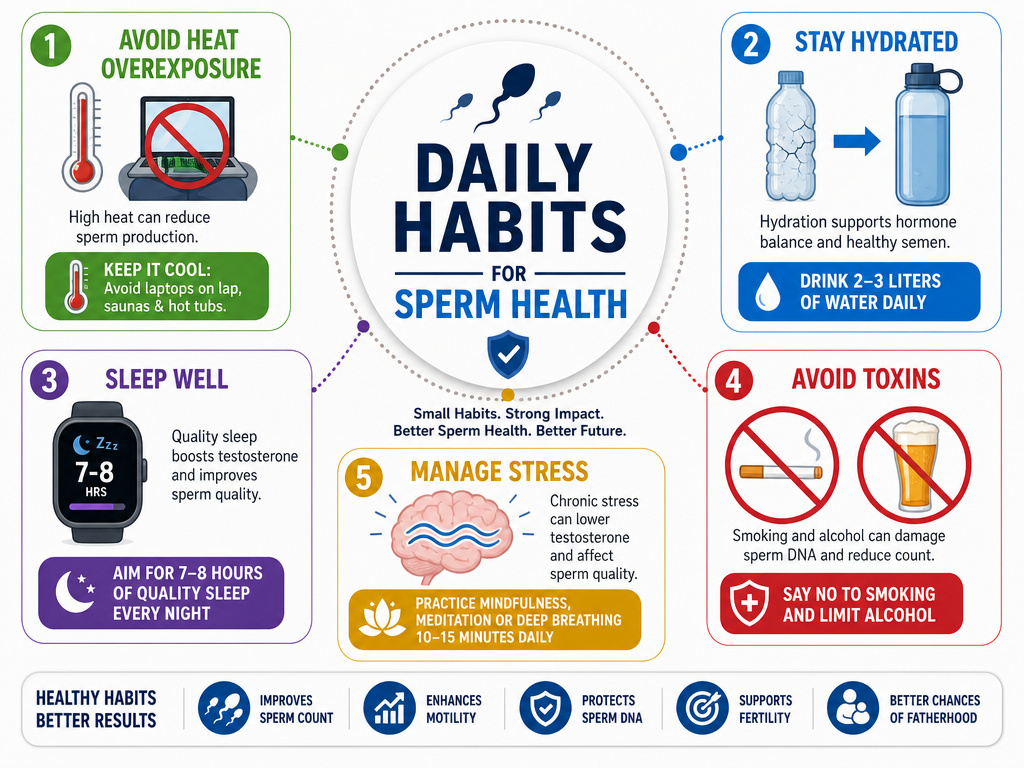
The small, repeated exposures add up. Here’s what to manage day-to-day.
- Heat Exposure: Avoid hot tubs, saunas, and long hot baths. Don’t rest a laptop directly on your lap for extended periods. The testicles are outside the body for a reason, they need to be cooler.
- Toxin Reduction: Limit exposure to plastics where possible. Use glass or metal for food and water storage, especially for hot items. Throw out old, scratched plastic containers.
- Sleep: Men who sleep fewer than six hours a night may reduce conception chances by more than 40%. However, sleeping more than nine hours is also linked to poor sperm health, possibly signaling an underlying issue. Aim for 7-8 hours.
- Alcohol & Smoking: Excessive alcohol, defined as more than seven drinks a week, can reduce semen production and quality. Smoking tobacco (and likely marijuana) introduces chemicals that lower count and damage sperm DNA.
- Stress Management: Chronic stress creates hormonal imbalances that can tank sperm production. It’s not just “in your head”; it’s in your endocrine system.
The Great Underwear Debate
Here’s a clear source disagreement. The NHS advises to “wear loose fitting underwear – tight underwear can increase the temperature of your testicles which may affect the quality of your sperm.” The Cleveland Clinic states that “wearing boxers or briefs doesn’t make a difference for sperm health,” while the NHS advises wearing loose-fitting underwear to avoid increased testicular temperature.
If you’re doing everything else right, switching from briefs to boxers probably won’t be the deciding factor.
Sexual Habits for Conception
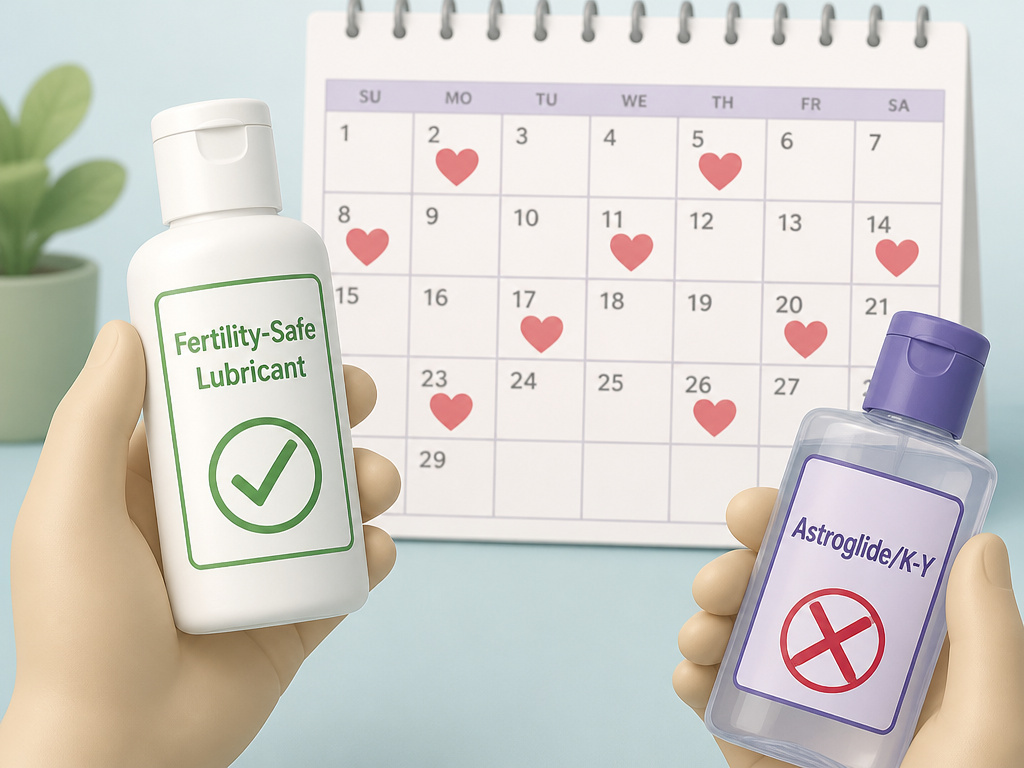
Frequency and lubrication matter.
The NHS recommends having sex every 2 to 3 days without contraception to maximize chances. You don’t need to time it perfectly to ovulation every single time; regular sex ensures sperm are present during the fertile window.
Be careful with lubricants. Some over-the-counter products like Astroglide and K-Y Jelly can impair sperm motility. If you need a lubricant, look for ones specifically labeled “sperm-friendly” or “fertility-safe,” or use a minimal amount of pre-seed lubricant. The Mayo Clinic names ‘Astroglide and K-Y Jelly’ as products that might affect sperm, while the NHS guidance does not mention specific brands.
When to See a Doctor
Know the timeline for seeking help. Sources disagree slightly on the exact trigger.
- NHS Guideline: If you and your partner have been having regular, unprotected sex for over 1 year (or 6 months if your partner is 36 or over) without conceiving, see a GP.
- Cleveland Clinic Guideline: If you’ve been trying for six months to a year without success, it may be time for a fertility evaluation.
If you have a known risk factor, like a previous testicular injury, a history of sexually transmitted infections, or you’ve undergone chemotherapy, start the conversation with a doctor sooner. The first step is usually a referral for a sperm test to understand the common causes of male infertility.
What medical treatments are available for low sperm count?
If lifestyle changes and natural methods do not lead to improvement, medical treatments and assisted reproductive technologies become options. Since a semen analysis reflects the environment over the past three months, doctors typically recommend waiting about three months after an initial test before repeating it. If you and your partner have been having regular sex without contraception for over a year without pregnancy, or for six months if your partner is 36 or over, seeking a medical evaluation is recommended. For men with a low sperm count, treatments can include medications to address hormonal issues or procedures like in vitro fertilization (IVF) and intracytoplasmic sperm injection (ICSI), where sperm is directly injected into an egg. These approaches are considered when other methods have not been successful.
Which supplements can help increase sperm count?
Research on supplements for male fertility shows some specific nutrients may support sperm health. A 2023 network meta-analysis found that lycopene supplementation was associated with a significant increase in sperm count compared to other interventions. The same analysis noted that CoQ10 may improve sperm quality and motility through its antioxidant effects, and that carnitine supplementation had profitable functions on sperm concentration and total motility. Other supplements like zinc, selenium, and certain vitamins may also observably add to sperm quality. It is generally advised to allow at least three months to see potential results from any supplement regimen, as this aligns with the sperm maturation timeline.
Frequently Asked Questions
What is the fastest way to increase sperm count?
For men with obesity, significant weight loss is an evidence-backed method, as shown in the S-LITE trial. An 800-calorie diet over 8 weeks increased sperm count by 1.41-fold.
What foods build more sperm?
Foods high in antioxidants and healthy fats support sperm production. Focus on the Mediterranean diet: leafy greens, fatty fish (like salmon for omega-3s), nuts, seeds, berries, and tomatoes (a source of lycopene). Cut back on processed meats, sugary foods, and trans fats.
What kills sperm count the most?
Several factors are detrimental: exogenous testosterone supplementation, smoking tobacco, heavy alcohol use, prolonged scrotal heat exposure (hot tubs, laptops), and obesity. Prescription medications and anabolic steroids can also reduce sperm count.
Can you check sperm count at home?
Home sperm test kits can detect the presence of sperm, which is useful for checking for azoospermia (zero sperm). However, they are not reliable for giving you an accurate, clinical-grade count (e.g., 5 million vs. 20 million per ml). For diagnosis and tracking progress, a lab-based semen analysis is essential.
Before You Go
Start with the test, not the supplements. Get a baseline semen analysis to know exactly what you’re working with. Then, build your plan on the three pillars with the strongest evidence: adopt a Mediterranean-style diet, manage your weight, and systematically eliminate heat sources and toxins.
Commit to the three-month timeline. Circle a date on your calendar 90 days from when you begin. That’s your first realistic checkpoint, the earliest a new, healthier cohort of sperm will be ready for evaluation.
Finally, if you and your partner have been trying for six months to a year without success, that’s your signal to involve a doctor. They can check for underlying hormonal issues or other causes of infertility that lifestyle changes alone can’t fix. The goal is a clear path forward, not just hoping for the best.
