
Heavy Metals That Lower Testosterone: Who Is Most at Risk?
This post contains affiliate links. As an Amazon Associate, we earn from qualifying purchases.
Heavy metals that lower testosterone include molybdenum, copper, and arsenic, with strong evidence from human studies. Cadmium and lead show contradictory associations, with some studies linking them to higher testosterone. The risk is most pronounced with chronic, combined exposure, like in mining or smelting, and is worsened by low zinc status.
That distinction between clear-cut and contradictory evidence is the whole game. Most articles list metals as universally bad. The research isn’t that simple. A 2015 NHANES analysis found metals in 69–100% of samples, yet cadmium’s link to testosterone is hotly debated. You need to know which heavy metals that lower testosterone have a solid case and which ones are still an open question.
What follows: the five metals with the strongest human evidence, the three main biological mechanisms they use, and a practical guide for where to focus your energy if you’re concerned about exposure. We’ll also tackle the common confusions head-on.
Key Takeaways
- Molybdenum and copper show consistent inverse relationships with testosterone in multiple human studies, high levels correlate with lower hormone levels.
- Arsenic exposure is strongly linked to lower testosterone, explaining about 37% of the variance in levels among men with a specific endocrine disorder.
- The evidence for cadmium and lead is contradictory, with some large studies finding positive associations with testosterone.
- Low zinc status dramatically worsens molybdenum’s effect, creating a 37% reduction in testosterone when both conditions are present.
- Occupational exposure in mining or smelting presents the highest risk due to chronic, combined metal exposure over years.
The 5 Metals With the Strongest Evidence for Lowering Testosterone
Forget the generic list. The human data points to a specific hierarchy. These metals have the most consistent, peer-reviewed evidence linking them to reduced testosterone in men.
Technical Snapshot: A 2015 NHANES analysis of 484 men found significant inverse associations between urinary molybdenum and serum copper with serum testosterone. The study detected metals in 69–100% of blood, urine, and serum samples, highlighting near-ubiquitous low-level exposure in the general population.
Molybdenum isn’t a classic “heavy” metal, but its effect is well-documented. A 2009 study of 219 men found a significant inverse trend, as blood molybdenum went up, testosterone went down. The kicker? This effect was strongest in men with low zinc. High molybdenum combined with low zinc status was associated with a 37% reduction in testosterone. It’s a classic interaction effect. The metal itself might be manageable, but a common nutrient deficiency turns it into a major problem.
Copper is essential, but in excess, it’s toxic. A 2023 study of 40 copper smelter workers found a statistically significant decrease in serum testosterone. A linear regression model from that work showed a “significant negative association between serum copper and testosterone levels.” This concerns chronic, high-level inhalation and skin exposure in an industrial setting, not dietary copper from nuts.
Arsenic has some of the strongest correlation data. A 2024 case-control study focused on men with Idiopathic Hypogonadotropic Hypogonadism (IHH). It found a “moderately strong significant negative correlation” between serum testosterone and arsenic levels. The correlation coefficient was -0.609, and the R² value was 0.371. In plain English, arsenic levels explained approximately 37% of the variance in testosterone levels within that specific patient group. For men with a pre-existing reproductive endocrine condition, arsenic appears to be a potent aggravating factor.
Cadmium and lead are where the consensus breaks down. You’ll see them on every list, but the data tells a messier story.
- A 2015 NHANES analysis found significant positive associations for blood cadmium and lead with serum testosterone. However, other studies, such as those on copper smelter workers and cobalt-copper miners, demonstrate a negative effect on testosterone with high-level, chronic combined exposure that includes lead.
- A 2009 study found only a suggestive positive association for lead.
- A 2023 meta-analysis concluded cadmium exposure is associated with a risk of abnormal sex hormones, with semen cadmium negatively correlated with testosterone in its subgroup analysis.
So which is it? It likely depends on exposure level, duration, and the population studied. Low-level environmental cadmium might behave differently than high-level occupational exposure. This contradiction about heavy metals that lower testosterone is why blanket statements fail.
How Heavy Metals Disrupt Your Hormone System
These metals don’t just randomly poison cells. They interfere with the male endocrine system through specific, documented pathways. Knowing the mechanism helps you understand why recovery isn’t instant.
Endocrine Disruption at the Receptor Level. Some metals, or their compounds, can mimic or block hormone signals. They bind to androgen receptors, either activating them weakly (creating noise) or blocking testosterone from docking properly. This makes your body’s testosterone less effective, even if blood levels appear normal. It’s like putting the wrong key in a lock, it might jam the mechanism, even if it doesn’t turn.
Oxidative Stress and Testicular Damage. This is the most direct physical damage. Metals like cadmium accumulate in the testes. They generate free radicals, causing oxidative stress that damages Leydig cells, the very cells that produce testosterone. The damage isn’t always subtle. In animal studies, high cadmium exposure leads to visible testicular hemorrhage and necrosis. In humans, the effect is more often a slow decline in function.
Impairment of the Hypothalamic-Pituitary-Gonadal (HPG) Axis. This is the command center. The hypothalamus signals the pituitary gland, which tells the testes to produce testosterone. Certain metals, like lead, are neurotoxic and can disrupt this delicate signaling cascade at the brain level. A 2023 study of cobalt-copper miners found significantly lower free testosterone, linking it to disrupted HPG axis function from combined metal exposure. The signal gets weaker, so the output drops.
Where Contradictory Evidence Comes From (Lead vs. Cadmium)
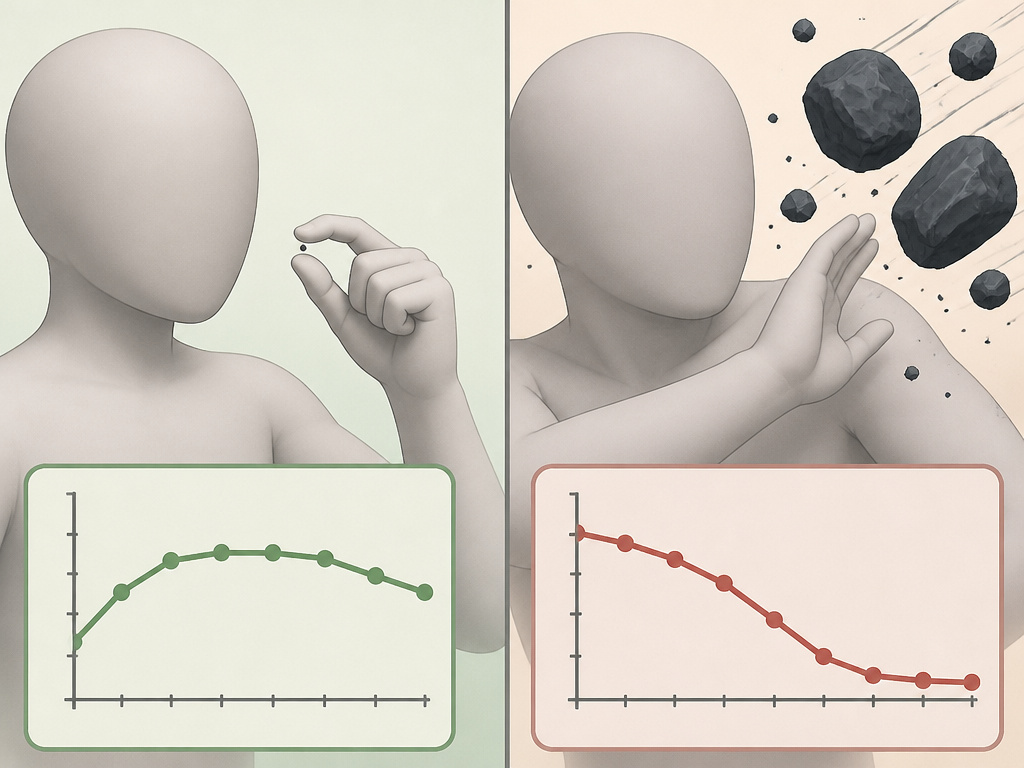
If the science were settled, this would be easy. It’s not. When you see a headline saying “Lead Lowers Testosterone!” and another saying “Study Finds No Link,” both might be correct within their context. Here’s how to read the conflict.
The main divide is between large population studies (like NHANES) and occupational or clinical studies. NHANES looks at the general U.S. Population with relatively low, environmental exposure levels. Occupational studies look at miners, smelter workers, or battery plant employees with chronic, high-level exposure. The body’s response can be different at these extremes.
| Study Type | Typical Finding for Lead/Cadmium | Likely Reason |
|---|---|---|
| Large Population (NHANES) | Positive or null association with testosterone. | Measures low-level environmental exposure. Hormone system may compensate initially, or other lifestyle factors dominate. |
| Occupational Cohort | Negative association, lower testosterone. | Measures high-dose, chronic exposure. Compensatory mechanisms are overwhelmed, leading to measurable dysfunction. |
| Meta-Analysis | Mixed or concludes “risk of abnormality.” | Attempts to reconcile different studies. Often finds negative effect in high-exposure subgroups. |
Another source of noise is biomarker timing. A single blood test for testosterone can vary significantly throughout the day. Studies that use a single measurement introduce more variability. Measuring metal in urine, blood, or semen can indicate different exposure timelines, from recent to long-term.
Where this goes sideways: Assuming a negative effect at all exposure levels. The dose makes the poison. Worrying about trace lead in your garden vegetables when you drink heavily several nights a week misses the scale entirely. Alcohol has a far more direct and documented suppressive effect on testosterone.
Who Is Most at Risk? Occupational vs. Environmental Exposure
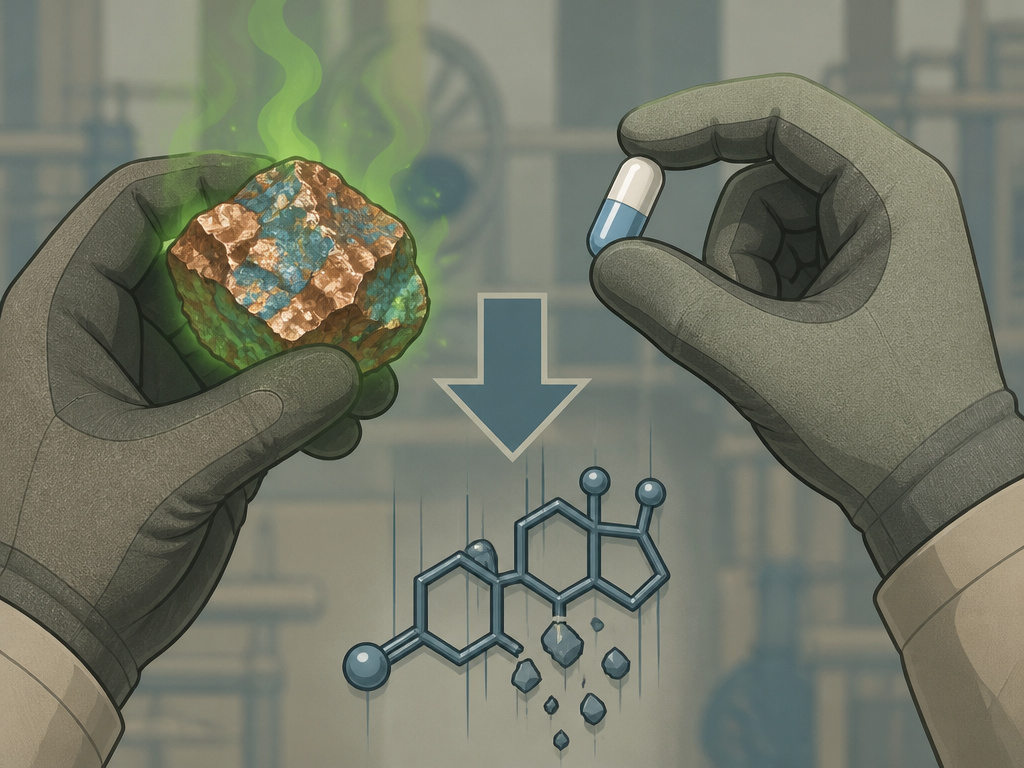
Your risk depends on the amount, duration of exposure, and other factors in your body. The studies point to clear high-risk groups.
Occupational Exposure is the Highest Risk Factor. The most dramatic evidence comes from workers in specific industries. That 2023 study of cobalt-copper miners is a stark example. The study also found mild/moderate ED was associated with mining (aOR 2.6). This is the effect of combined metal exposure, copper, cobalt, arsenic, lead, day after day, year after year. Smelter workers show similar patterns. If you work in mining, welding, battery manufacturing, or smelting, this isn’t a theoretical concern.
The Interaction Effect: Molybdenum and Zinc. This is a crucial gap in most discussions. The 2009 study on molybdenum didn’t find a massive effect in everyone. It found a devastating effect in men with low zinc status. High molybdenum plus low zinc equaled that 37% testosterone reduction. Low zinc status can worsen molybdenum’s effect on testosterone. This means your nutrient status acts as a multiplier for metal toxicity.
Pre-Existing Endocrine Conditions. The 2024 IHH study on arsenic suggests a heightened susceptibility. Men with a pre-existing disorder of their reproductive endocrine system may see a more severe testosterone-lowering response to specific metals. The IHH study suggests males with a pre-existing reproductive endocrine disorder may represent a sub-population with heightened susceptibility to the testosterone-lowering effects of specific metals like arsenic.
For the average person, environmental exposure, from food, water, or old paint, is concerning but typically orders of magnitude lower. For the average person, environmental exposure is typically orders of magnitude lower than occupational exposure.
Testing, Interpretation, and Practical First Steps
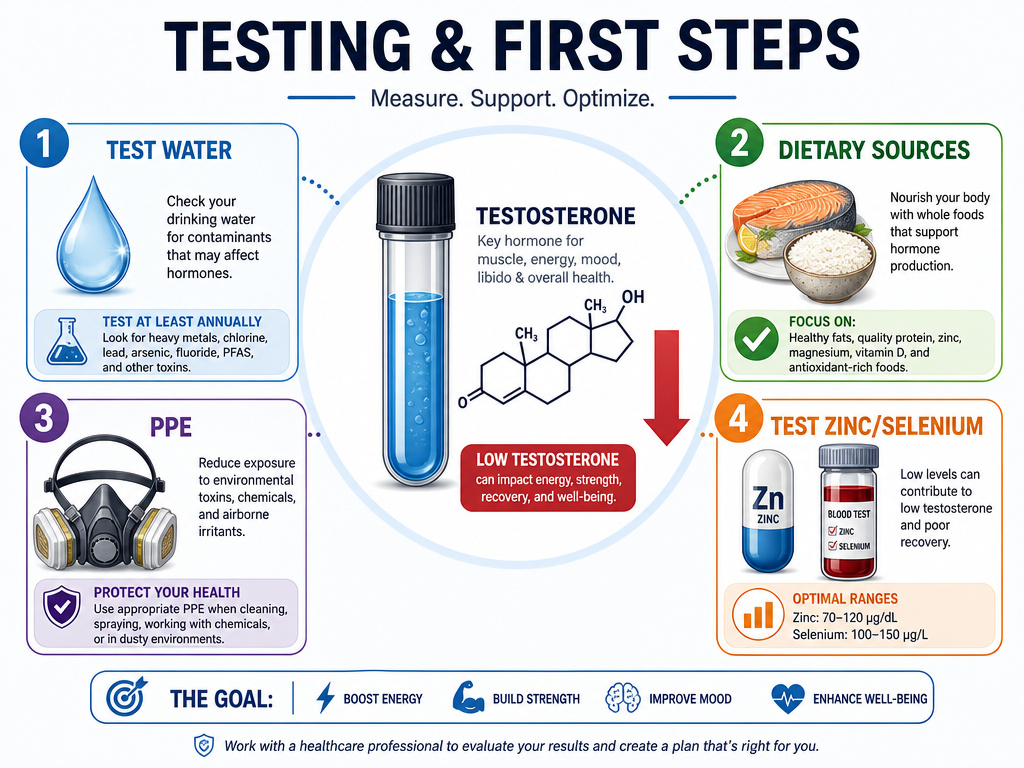
You can’t manage what you don’t measure. But ordering the wrong test or misreading the result wastes time and money. Here’s a pragmatic path forward.
What to Test and How to Read It. If you’re concerned, a heavy metal panel is the starting point. This usually tests urine (for recent exposure) or blood (for circulating levels). Look for:
- Urinary Molybdenum & Copper: Elevated levels here, especially with low testosterone, should prompt a closer look.
- Blood Lead & Cadmium: These are standard. Remember the contradiction, a “normal” level here doesn’t rule out an effect, and an elevated level doesn’t automatically mean low T.
- Essential Nutrients: Test your zinc and selenium status. This is essential. You need to know if you’re in the vulnerable, low-zinc group that amplifies molybdenum’s effect. A simple blood test for zinc can guide this.
The Role of Chelation and Detox Supplements. This is where marketing runs wild. Oral chelation supplements should be approached with extreme caution. They can indiscriminately bind to essential minerals like zinc and copper, potentially making a deficiency worse. The idea of a gentle “detox” is appealing, but the process is more complex. True clinical chelation is a medical procedure for acute, high-level poisoning, not a monthly tune-up.
Effective, Boring Priority Number One: Reduce Ongoing Exposure. Before buying a single pill, look at your largest sources.
- Test Your Water. If you have a private well, test for arsenic and lead. For city water, check your local utility’s annual report.
- Dietary Sources. Large predatory fish (tuna, swordfish) are high in mercury. Organ meats can concentrate cadmium. Rice can absorb arsenic from soil. Variety mitigates risk.
- Occupational Hygiene. If you work with metals, use all provided PPE, respirators, gloves, coveralls. Shower at work before coming home.
- Address the Bigger Levers. As noted in our review of other endocrine disruptors, never let fear of trace metals distract you from alcohol, obesity, and sleep deprivation, which have more powerful and immediate effects on testosterone.
Common mistake: Jumping straight to a heavy metal detox protocol without verifying exposure or fixing nutrient deficiencies. You might pull zinc out of your body right when you need it most.
Which heavy metal lowers testosterone the most?
Different metals impact testosterone through varied mechanisms and intensities. Molybdenum shows a consistent inverse relationship, with high levels combined with low zinc linked to a significant reduction. Arsenic demonstrates a strong negative correlation, explaining a notable portion of testosterone variance in sensitive populations. Copper exposure, particularly in occupational settings like smelting, is also significantly associated with lower levels. The impact of lead and cadmium is less clear, with studies showing positive, negative, or no association, likely depending on exposure levels and individual factors. The most pronounced negative effects are seen with high-level, chronic combined exposures, as observed in miners and smelter workers, and in individuals with pre-existing endocrine conditions who show heightened susceptibility.
Frequently Asked Questions
Does heavy metal exposure increase testosterone?
Some studies suggest it might, at least for lead and cadmium in general populations. The 2015 NHANES analysis found significant positive associations, higher blood levels of these metals correlated with higher serum testosterone. The reason is unclear but may involve compensatory mechanisms or disruption of feedback loops at low exposure levels. This effect is not beneficial and does not contradict the harmful high-dose evidence.
What is the #1 heavy metal that lowers testosterone?
Based on consistency of human evidence and magnitude of effect, arsenic has a strong claim, especially in vulnerable populations. The 2024 IHH study showed it explained 37% of testosterone variance in that group. For the general population, molybdenum’s interaction with low zinc is a potent and under-recognized risk, causing a 37% reduction.
What chemicals can lower testosterone levels?
Beyond heavy metals, a broad class of endocrine-disrupting chemicals (EDCs) interfere with hormone function. This includes phthalates from plastics, pesticides like atrazine, and industrial compounds like BPA. These often act through similar mechanisms, receptor blocking or oxidative stress, but are more pervasive in everyday consumer products.
How can I test for heavy metal toxicity?
Functional medicine doctor or integrative health practitioner can order a provoked urine test or a blood metal panel. The urine test uses a chelating agent to pull metals from tissue stores, which is controversial. The blood test shows current circulation. Blood is better for lead, cadmium, and mercury. Hair analysis is less reliable for assessing body burden. Always test essential minerals like zinc concurrently.
Before You Go
The takeaway is to understand the real, evidence-based hierarchy of risk rather than living in fear of every metal.
Focus first on high-dose, chronic occupational exposure if it applies to you, that’s where the studies show clear harm. Second, test and optimize your zinc status. It’s a simple blood test that can reveal if you’re in the group most vulnerable to metals like molybdenum. Third, look at your water and largest dietary sources before investing in complex detox protocols.
And here’s the concession: for most men dealing with low energy and drive, the solution is far more likely to be found in sleep, strength training, and managing stress than in a hair metal test. The metal conversation matters, but it’s a supporting actor, not the star of the show. Let the evidence lead, and start with the basics you can control.
