
Testosterone Diet Plan for Men: Building Your Plate
This post contains affiliate links. As an Amazon Associate, we earn from qualifying purchases.
A testosterone diet plan for men is an evidence-based framework built on three levers: calorie balance (eat enough to fuel your body but not gain excess fat), protein intake (target 1.25–1.9 g/kg/day), and managing dietary fat (avoid both chronically low-fat and acute high-fat meals). For overweight men, a moderate calorie deficit with adequate protein increases testosterone; for lean men, aggressive deficits can lower it.
That framework turns a confusing topic into a set of adjustable dials for a testosterone diet plan for men. You can stop guessing about eggs or soy and start looking at your total daily intake.
What follows is the plan you’d get if you combined the key findings from a dozen peer-reviewed studies. The plan explains the three macronutrient levers, how to build your plate, a sample day of eating, and how to handle real-world hurdles like meal prep and dining out.
Key Takeaways
- Your weight decides the calorie rule. A moderate calorie deficit can boost testosterone if you’re overweight. If you’re already lean, the same deficit can crash your levels.
- Protein is safe until it isn’t. Aim for 1.25–1.9 g/kg of bodyweight per day. Intakes above 3.4 g/kg/day appear to decrease testosterone, but almost no one hits that level with food alone.
- Fat timing matters more than type. A single high-fat meal can suppress testosterone for hours. Chronically eating too little fat (under 20% of calories) is also linked to lower levels.
- Track one thing at a time. Change your protein target for two weeks, check how you feel, then adjust calories. Changing everything at once tells you nothing.
- Supplements come last. Fix your protein, calories, and sleep before you spend a dollar on zinc or ashwagandha.
The 3 Core Macronutrient Levers (and Where the Data Disagrees)
Forget the ten-point lists. Your hormone response to diet hinges on three variables: total energy, protein amount, and fat intake. Each one has a research-backed sweet spot and a zone where things break down.
The first lever is energy balance. This is the most critical place to start because getting it wrong negates everything else. A landmark review in Nutrition Reviews synthesized a crucial, often-missed distinction: calorie restriction increases total testosterone in overweight and obese men, but it decreases testosterone in normal-weight, healthy men. Your starting point dictates the strategy.
A 2023 meta-analysis in Nutrition and Health found that long-term (≥3 weeks) low-carbohydrate diets did not significantly affect resting testosterone compared to high-carbohydrate diets. The hormonal disruption came from low-carbohydrate diets with protein intakes of 35% or more.
This means a one-size-fits-all “cut calories to boost T” mantra is wrong for a testosterone diet plan for men. If you have weight to lose, a moderate deficit is therapeutic. The research shows clear protocols: In obese men, a low-calorie diet (LCD) of 850–900 kcal/day for 8 weeks increased total testosterone and sexual function. A maintenance high-protein, low-fat, reduced-carbohydrate diet with a decrease of approximately 600 kcal/day improved hormonal and sexual function over 44 weeks. The goal is steady loss, not starvation.
If you’re already at a healthy weight, your goal is maintenance. Chronic, aggressive cutting is a direct threat to your hormonal output. Eat enough to support your activity and recovery.
The second lever is protein. Here, the evidence is reassuringly precise for most people. A major systematic review concluded that high- and moderate-protein diets (1.25–3.4 g/kg/day) do not decrease testosterone. The danger zone is very high-protein diets (>3.4 g/kg/day). At that extreme, one study noted a decrease of ~5.23 nmol/L.
Common mistake: Chasing extreme protein intakes with shakes and bars. A typical protein intake is often around 1.3 g/kg/day. Surpassing 3.4 g/kg/day is hormonally counterproductive.
For a 180-pound (82 kg) man, the safe, effective range is 102–156 grams of protein daily. That’s two palm-sized portions of chicken, fish, or lean beef, plus protein from other meals. It supports muscle maintenance during a deficit without pushing into the territory where the body might downregulate testosterone to upregulate urea cycle metabolism.
The third lever is dietary fat, and here the sources present a fascinating short-term vs. Long-term puzzle. A pilot study found that a single meal of polyunsaturated fats (PUFA) decreased serum testosterone by 3.2 nmol/L at 1 hour post-meal. Any type of fatty meal significantly impaired serum testosterone acutely. Yet, long-term data tells a different story. Observational data (NHANES analysis) suggests men on self-reported low-fat diets had significantly lower serum testosterone. Meanwhile, an RCT found that energy-restricted low-fat diets increased testosterone in overweight men over a year.
The takeaway? Avoid both extremes. Don’t live on chronically low fat, but also don’t slam high-fat meals multiple times a day if you’re concerned about acute suppression. Distribute your fat intake evenly.
Building Your Plate: A Practical Framework
Now we turn the levers into a meal. This isn’t a restrictive menu; it’s a template you can apply to any cuisine.
Start with your protein target. Divide your daily grams by the number of meals you eat. For our 180-pound man aiming for 140 grams across three meals, that’s about 45 grams per meal. Visualize a palm-sized piece of chicken breast (30g), a cup of Greek yogurt (20g), or two whole eggs (12g) plus a scoop of protein powder (25g).
Next, add a large portion of non-starchy vegetables, broccoli, spinach, peppers, salad greens. These provide volume, fiber, and micronutrients without significantly impacting carbs or calories. They’re the filler that keeps you satiated.
Then, add your smart carbohydrate and fat sources. These should be intentional, not accidental. For carbs, think slow-digesting: sweet potato, quinoa, oats, or berries. For fats, include a thumb-sized portion of added fats like olive oil, avocado, nuts, or seeds.
| Meal Component | Portion Guide | Hormonal Rationale |
|---|---|---|
| Protein | 1-2 palm-sized portions | Maintains muscle in a deficit; intakes under 3.4 g/kg/day show no negative T impact. |
| Non-Starchy Veg | 1-2 fist-sized portions | Provides fiber & micronutrients; supports gut health and nutrient absorption. |
| Smart Carbs | 1-2 cupped-hand portions | Fuels activity & prevents cortisol spikes from low glycogen; choose high-fiber options. |
| Dietary Fats | 1-2 thumb-sized portions | Supports hormone production; avoid meals with 3+ thumb portions to limit acute suppression. |
This framework automatically avoids the pitfalls. You’re unlikely to hit a very high-protein intake, you’re including essential fats, and you’re prioritizing nutrient density. The pilot study that found orange juice had little effect on testosterone compared to fatty meals suggests that carbohydrate source might matter, whole fruits over sugary drinks.
I used to obsess over individual “testosterone-boosting” foods. Now I just run this template through a weekly meal prep. Grill five chicken breasts, roast two trays of broccoli and sweet potatoes, and cook two cups of quinoa. That’s the core for three days of lunches and dinners. It takes the decision fatigue out of eating right.
Sample Day of Eating: Theory to Practice
This framework translates into a real day.
Breakfast (7:00 AM)
- 3 whole eggs, scrambled with 1 cup spinach
- 1/2 cup rolled oats cooked with water, topped with 1/4 cup blueberries and 1 tbsp almond butter
- Black coffee or tea
Why it works: The eggs provide protein and fat, the oats offer slow-release carbs and fiber, and the meal avoids a large, isolated fat load that could cause acute suppression.
Lunch (12:30 PM)
- 6 oz grilled chicken breast
- Large mixed salad (2 cups greens, cucumber, bell pepper) with 1 tbsp olive oil & vinegar dressing
- 1 medium sweet potato, baked
Why it works: This is the classic template meal. It’s high in protein and volume, with balanced carbs and fats from whole sources. The fiber from the veggies and sweet potato aids digestion and steady energy.
Afternoon Snack (4:00 PM)
- 1 cup plain Greek yogurt (2% fat)
- 1/4 cup mixed berries
- 1 oz (small handful) walnuts
Why it works: The yogurt provides a protein boost without a heavy meal. The walnuts add healthy fats and the berries add antioxidants. It’s a satiating bridge to dinner that won’t spike insulin.
Dinner (7:30 PM)
- 6 oz baked salmon
- 1 cup steamed broccoli with lemon
- 3/4 cup cooked quinoa
Why it works: Salmon provides protein, omega-3 fats, and vitamin D. Broccoli contains sulforaphane, which may support estrogen metabolism. Quinoa is a complete protein carb source. The meal is nutrient-dense and anti-inflammatory.
Hydration: Drink water throughout the day. Limit alcohol, which is a known testosterone suppressor.
This plan is meant as a flexible demonstration of proportions and quality. Swap salmon for steak, quinoa for brown rice, sweet potato for squash. The structure holds.
Navigating Real-World Hurdles: Meal Prep and Dining Out
A plan that can’t survive a restaurant menu or a busy week is just a theory. The goal is adherence, not perfection.
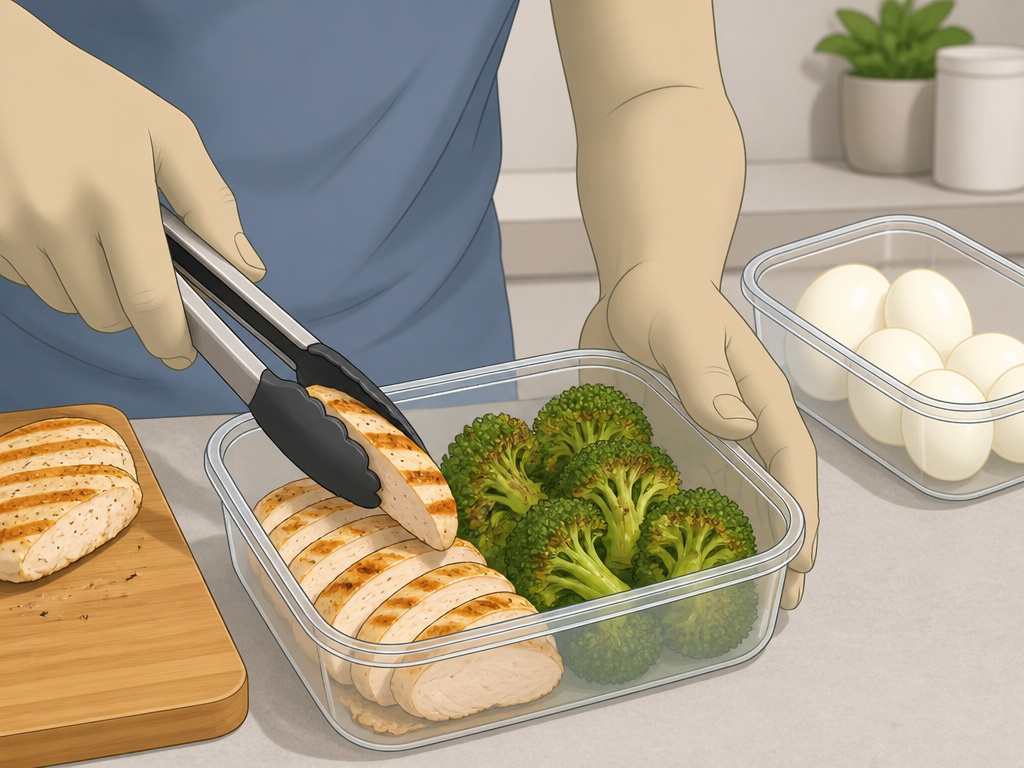
Meal prep is your greatest weapon. Dedicate 90 minutes on a Sunday. While your chicken and vegetables roast, cook your grains and hard-boil a dozen eggs. Portion everything into containers. This single act removes the “what’s for lunch?” dilemma that leads to poor choices. I found that just having cooked chicken in the fridge made hitting my protein target effortless. The upfront work saves daily willpower.
Dining out requires a different strategy. You can’t control the cooking oils, but you can control your order. Use the plate framework as a guide.
- Start with protein: Look for grilled, baked, or roasted chicken, fish, or steak.
- Ask for substitutions: Request double vegetables instead of fries or mashed potatoes.
- Manage sauces and dressings: Ask for them on the side. Restaurant sauces are often loaded with sugar and fat that can turn a healthy meal into an acute testosterone-suppressing event.
- Drink smart: Stick with water, sparkling water, or unsweetened tea. Avoid sugary cocktails and excessive alcohol.
Social situations are about balance, not deprivation. If you’re at a BBQ, fill your plate with lean meat and salad first. Have the burger, but maybe skip the bun and extra cheese. The point is to stay aligned with your framework 80% of the time. The other 20% has a negligible long-term impact if your baseline is solid.
The Supplement Question: What to Add (and When)
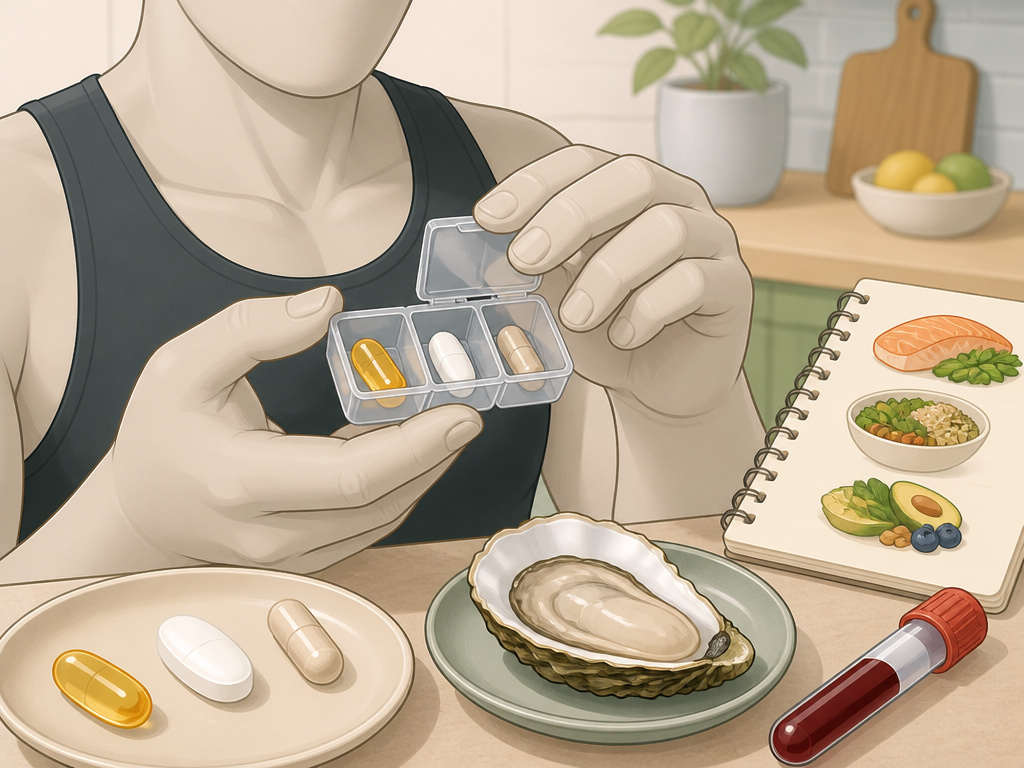
Diet always comes first. No pill can fix a diet built on processed food and chronic undereating. Once your food intake is dialed in, a few supplements have evidence for supporting overall hormonal health.
Think of them as insurance against deficiencies, not as boosters. The first is vitamin D. Low levels are rampant and correlate with low testosterone. Vitamin D supplementation may be beneficial if you have a deficiency, but testing your blood level is the only way to know your true need.
Magnesium is another foundational one. It’s involved in hundreds of enzymatic processes, including those related to sleep and stress regulation, both of which impact testosterone. Magnesium glycinate or citrate, taken before bed, can improve sleep quality.
Zinc is crucial, but it’s also the most overused supplement in this category. Unless you have a confirmed deficiency or are sweating profusely daily, long-term high-dose zinc supplementation can cause copper imbalance. It’s better obtained from food like oysters, beef, and pumpkin seeds.
Regarding popular herbal supplements like tongkat ali and ashwagandha, the evidence is stronger for their adaptogenic effects, reducing cortisol and perceived stress, than for directly raising testosterone. If high stress is your primary issue, they may help indirectly. Treat them as specific tools, not universal must-haves.
Where this goes sideways: Stacking five different “testosterone booster” supplements while eating in a massive calorie deficit and sleeping five hours a night. The supplements become an expensive placebo. Fix the fundamentals first.
Specific foods that boost testosterone
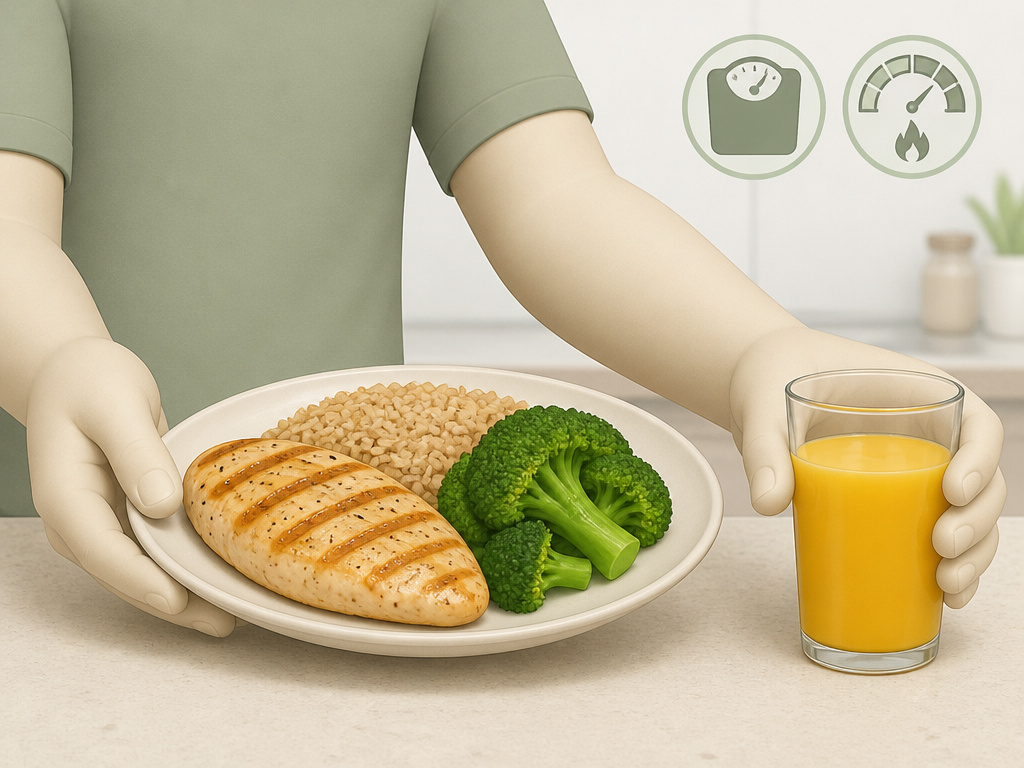
No single food directly boosts testosterone, but your overall dietary pattern sets the stage. Focus on controlling total calories if you are overweight, as weight loss through a reduced-calorie diet can increase testosterone levels. For protein, aim for a moderate intake. Research indicates that high- and moderate-protein diets do not decrease testosterone, but very high intakes may. Include carbohydrates, as a meal high in carbohydrates like orange juice was shown to have little negative effect on serum testosterone compared to fatty meals. The goal is a balanced plate that supports a healthy weight.
Foods to avoid that lower testosterone
Be mindful of large, high-fat meals. A pilot study found that any type of fatty meal significantly impaired serum testosterone levels shortly after eating, with the dose of fat being the key factor rather than the specific type. This suggests that consistently overconsuming fats, particularly in large single servings, can have a negative acute impact. While long-term higher-fat diets may not significantly affect resting testosterone, the immediate suppression from heavy fatty meals is a consistent finding. For hormonal balance, it is practical to avoid meals that are excessively high in fat.
Impact of alcohol
The fact sheet does not contain specific information on alcohol’s impact on testosterone. For practical guidance, it is widely recognized that excessive alcohol consumption can disrupt hormone balance and overall health, which may indirectly affect testosterone levels. Moderation is key. Focus on the dietary factors you can control based on the available evidence, such as managing your total calorie intake for weight management and being cautious with large, high-fat meals, as these have more direct research backing for their hormonal effects.
Frequently Asked Questions
What diet is best for testosterone?
There is no single “best” diet. The most effective approach is a flexible framework based on your body weight: a moderate calorie deficit with adequate protein (1.25–1.9 g/kg/day) and balanced fat intake if you’re overweight, or maintenance calories with the same protein focus if you’re lean. The Mediterranean diet aligns well with these principles due to its emphasis on whole foods, lean protein, and healthy fats.
Does not ejaculating for 7 days increase testosterone?
The short-term data on this is mixed and generally shows very minor, transient increases that are not clinically meaningful. Some studies suggest very minor, transient increases that are not clinically meaningful. This strategy does not produce a sustainable, physiologically significant rise in testosterone levels and is not a substitute for proper diet, exercise, and sleep.
What is the #1 testosterone killer?
Chronic, aggressive calorie restriction combined with inadequate protein is a primary dietary killer, especially for lean men. From a lifestyle perspective, consistently poor sleep and high, unmanaged stress (elevated cortisol) are likely the most significant overall suppressors.
Do 10 eggs a day increase testosterone?
Eggs are an excellent source of protein, healthy fats, and cholesterol, a precursor for hormone production. However, eating 10 eggs daily is excessive and unnecessary. It forces your protein and fat intake to extreme levels, potentially crowding out other nutrients. A PubMed systematic review on low-fat diets and other research shows that balance is key; 2-4 eggs per day as part of a balanced diet is a supportive choice.
Can a vegan diet support healthy testosterone?
Yes, but it requires careful planning. A vegan diet must prioritize adequate protein from sources like lentils, tofu, tempeh, and seitan, and ensure sufficient intake of zinc, vitamin B12, and omega-3s (from algae oil). The risk on a poorly planned vegan diet is falling into a low-protein, high-carb pattern that may not support optimal body composition or hormone levels.
Before You Go
The goal of a testosterone diet plan is to build a way of eating that supports energy, body composition, and vitality. Start by auditing your current intake for one week, just track your protein and get a sense of your calories. That single act of awareness is more powerful than any supplement.
Then, implement one lever. If you’re overweight, establish a modest 300-500 calorie deficit. If your protein is low, bump it into the 1.6 g/kg range. Hold that change for a month, noting your energy, sleep, and gym performance. Let your body, not just a study abstract, guide you.
This approach turns diet from a rigid set of forbidden foods into a flexible system. You can enjoy social meals, travel, and life’s variations without feeling like you’ve “broken” your plan. The framework adjusts with you. In the end, consistency with a smart, evidence-based template beats perfection every time.
