
Are Lavender and Tea Tree Oil Estrogenic?
This post contains affiliate links. As an Amazon Associate, we earn from qualifying purchases.
Lavender and tea tree essential oils display estrogenic and antiandrogenic activity in laboratory cell tests, and the National Institute of Environmental Health Sciences (NIEHS) classifies them as potential endocrine disruptors based on this and other evidence. However, a 2022 epidemiological study of 556 children found no difference in endocrine disorder rates between kids exposed to these oils and those who were not, and a 2023 regulatory study on linalool, lavender’s main component, found no significant hormonal activity in standard animal tests. The risk for most adults appears low, but case reports suggest prepubertal children may be more sensitive to frequent, direct skin exposure.
The central question of whether are lavender and tea tree oil estrogenic illustrates the gap between what happens in a petri dish and what happens in a living body. It’s the difference between a chemical having a capability and it posing a real-world risk at typical exposure levels.
What follows is a walk through the evidence, from the initial alarming case reports to the larger studies that complicate the picture. You’ll see the specific chemicals involved, the strength of the science on each side, and where the practical advice lands for different groups when you consider the are lavender and tea tree oil estrogenic question.
Key Takeaways
- The NIEHS notes hormonal activity in cell studies, classifying lavender and tea tree oils as potential endocrine disrupting chemicals (EDCs).
- Clinical case reports have linked frequent topical use to prepubertal gynecomastia in boys and premature thelarche in girls, with symptoms resolving after product use stopped.
- A 2022 epidemiological study of over 550 children found the prevalence of endocrine disorders like precocious puberty was 0.49% in exposed kids, no different from unexposed kids.
- A 2023 regulatory study found linalool showed no significant estrogenic activity in guideline animal (in vivo) tests, which disagrees with in vitro studies that have shown estrogenic and antiandrogenic activity for lavender oil and its components.
- For prepubescent children, the consistent advice is to avoid frequent, direct skin application of products high in these oils due to case evidence.
The 2007 NIEHS Study: Where the Link Was First Proposed
This all started with a clinical observation. Doctors noticed breast tissue development in three otherwise healthy prepubescent boys. The common thread was regular use of personal care products containing lavender oil, tea tree oil, or both. When the products were stopped, the condition reversed.
The NIEHS study tested pure essential lavender oil, tea tree oil, and eight of their chemical components on human cell lines. They found the compounds displayed a range of hormonal activities, which may stimulate prepubertal gynecomastia.
That 2007 work, cited by the NIEHS, triggered everything. It proposed a mechanism: these oils could mimic estrogen or block androgen receptors in sensitive tissue. The case reports provided a real-world correlation, and the cell studies offered a plausible biological pathway. It was enough for major health agencies to flag a potential concern.
The study tested eight specific chemicals common to these oils. The eight chemicals were selected for the NIEHS study because they appeared in most of 93 essential oils analyzed. This wasn’t a random pick; it was an attempt to find the active agents within the complex mixture of an essential oil.
The Chemicals in Question: Linalool, Terpenes, and More
If these oils have an effect, it comes from their chemical makeup. Essential oils are blends of dozens of volatile compounds. The NIEHS analysis of 93 different essential oils found the eight chemicals from their study appeared in most of them, which is relevant to the debate about are lavender and tea tree oil estrogenic.
Here’s how common those key compounds were:
| Chemical Component | Found in # of 93 Oils | Primary Association |
|---|---|---|
| Dipentene/Limonene | 90 | Both oils |
| Alpha-terpineol | 87 | Both oils |
| Linalool | 82 | Lavender oil |
| 4-terpinenol | 80 | Both oils |
| Eucalyptol | 79 | Both oils |
| Gamma-terpinene | 79 | Tea tree oil |
| Alpha-terpinene | 77 | Tea tree oil |
| Linalyl acetate | 62 | Lavender oil |
Linalool and linalyl acetate are the signature components of lavender. They’re what give it its distinctive scent. The NIEHS cell tests showed these compounds, along with others like eucalyptol, had hormonal activity. But a key caveat from that early work, often lost in translation, was that as the dilution increased, the endocrine-disrupting activity decreased. Pure oil in a cell dish is a world away from a 2% dilution in a shampoo on your skin.
This is where reading the actual research on endocrine disruptors in scents matters. The dose and the delivery method change everything.
In Vitro vs. In Vivo: Why the Lab and the Body Disagree
This is the central tension in the science. In vitro means “in glass”, tests on isolated cells. In vivo means “in the living”, tests on whole animals or humans. Something that shows strong activity in a dish often shows little to no effect in a body, thanks to metabolism, skin barriers, and excretion.
Where this goes sideways: Assuming cell study results automatically translate to human health risks. Skin absorption of some components is limited, and the body rapidly processes these compounds.
The 2007 New England Journal of Medicine in vitro assay showed lavender and tea tree oils stimulated estrogenic activity at a concentration of 0.025% vol/vol, achieving about 50% of the activity of a small dose of pure estradiol. Another study found tea tree oil’s maximal proliferative response was 34% of the maximal estradiol response.
But look at the in vivo side. A 2023 regulatory toxicology study took a proactive look. It tested linalool and linalyl acetate, lavender’s main components, in the gold-standard animal tests for endocrine activity: the Uterotrophic (estrogenic) and Hershberger (anti-androgenic) assays. In the 2023 regulatory study, rats in the Uterotrophic assay were given doses of linalool up to 1000 mg/kg body weight per day, while doses for the Hershberger assay were lower (10, 30, and 100 mg/kg bw/day). The result? No significant changes were observed.
The researchers of the 2023 regulatory study concluded that the earlier in vitro findings did not translate to relevant estrogenic or anti-androgenic activity under their tested conditions. This finding represents one side of a scientific disagreement, as other sources maintain that in vitro hormonal activity and case reports are concerning.
Case Reports vs. Population Data: Weighing the Evidence

The evidence splits into two very different types: individual case reports and large epidemiological studies. Both are valid, but they answer different questions.
The Case Reports (The Signal)
A 2023 systematic review of gynecomastia tallied the published cases: eight boys with prepubertal gynecomastia and four girls with premature thelarche linked to topical lavender or tea tree oil use. The pattern was consistent: breast tissue developed with use and regressed within months of stopping. For example, one boy’s breast size decreased from 2.5 cm to 1.5 cm after ceasing a lavender balm for four months. A 2019 case reports on lavender products described girls whose breast development resolved 6 months after discontinuing a lavender cologne or soap.
These reports suggest causality through temporal association and reversal. They’re why pediatric endocrinologists take the concern seriously.
The Epidemiological Study (The Noise)
In 2022, a study of 556 U.S. Children asked a broader question: at a population level, do kids exposed to these oils have more endocrine disorders? They defined exposure as weekly or more frequent contact for four or more months. Among the kids, 74.1% were exposed. The average exposed child used 4.69 products containing the oils.
The results found no significant difference.
- Prevalence of precocious puberty in exposed kids: 0.49%.
- Risk ratio for any endocrine disorder: 2.796, but with a confidence interval from 0.352 to 22.163 and a P-value of .458, meaning no statistical significance.
- The study’s direct conclusion: “Children who were regularly exposed to lavender or tea tree essential oils experienced the same risk of endocrine disorders as those who were not exposed.”
So we have clear, troubling individual cases against a large study finding no population-level signal. Both can be true. The cases may represent a rare sensitivity, an unusual exposure level, or a specific product formulation not captured in the survey.
Practical Guidance: Who Should Be Cautious and Why
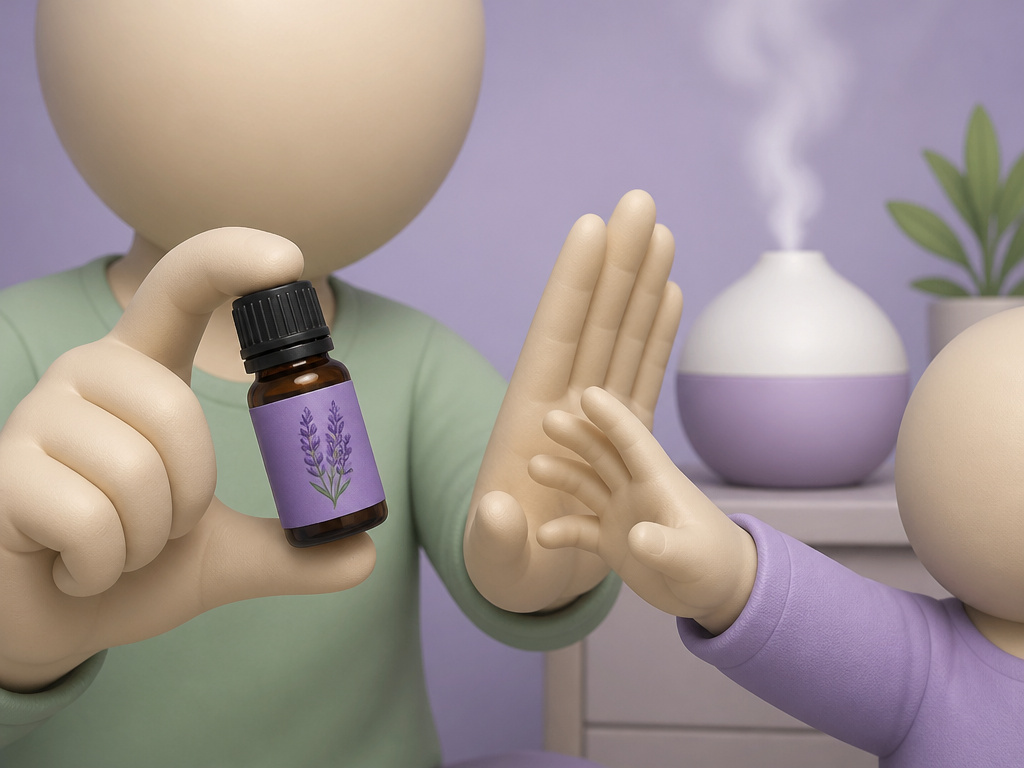
You can’t make a decision based on a single study. You have to weigh the totality of evidence for your situation. The advice fractures along two lines: age and exposure route.
For Parents of Prepubertal Children
The consensus here is strongest. Given the case reports and the fact that prepubertal children have lower natural hormone levels, their systems might be more easily nudged. The NIEHS states clinical cases have only described skin exposure, not aromatherapy inhalation.
- Avoid frequent, direct skin application of products where these oils are high on the ingredient list (lotions, balms, soaps used daily).
- Occasional use is likely fine, but watch for any unexpected changes.
- Inhalation/diffusers are a lower concern based on current evidence, but good ventilation is always smart.
This is a classic “better safe than sorry” stance, similar to being cautious with other potential endocrine disruptors in scents or parabens in lotions for kids.
For Adults and Teens
For most adults, the risk from typical use appears minimal. The 2022 epidemiological data is reassuring, and the in vivo studies don’t show activity. Your body’s mature endocrine system is far more robust.
- If you have a hormone-sensitive condition (like estrogen-receptor positive breast cancer), discuss any concentrated topical use with your doctor, as you would with any plant-based estrogen blocker or supplement.
- For general wellness, there’s no need to panic and throw out all your products. The dose makes the poison, daily application of a strong oil blend is different from a weekly shampoo.
- Consider exposure context. If you’re already working to manage estrogen metabolism with supplements like DIM or by eating cruciferous vegetables, frequent lavender oil use might be an unnecessary variable in your personal experiment.
The Bigger Picture: Essential Oils as Part of a Chemical Landscape
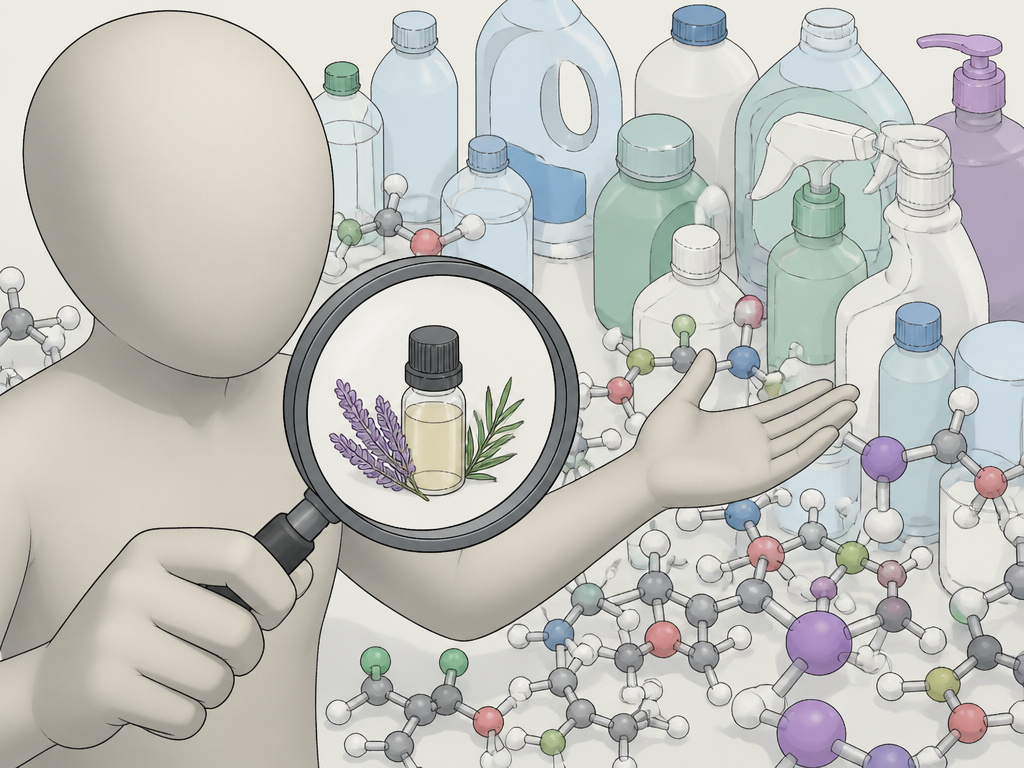
It’s easy to hyper-focus on one potential toxin. We live in a sea of endocrine-disrupting chemicals, from plastics to pesticides. The CIR tea tree safety report from the cosmetic industry’s expert panel, for instance, focuses more on tea tree oil’s potential to cause skin sensitization, especially when oxidized, than on hormonal effects.
Framing is everything. If you’re a parent avoiding lavender soap but your kids eat ultra-processed food daily and sleep with plastic toys, you’re chasing a minor leak while ignoring a burst pipe. The biggest levers for hormonal health remain diet, sleep, exercise, and stress management.
That said, reducing unnecessary chemical exposure is a sensible principle. If you’re concerned, you can:
- Choose unscented or minimally scented personal care products.
- Look for brands that are transparent about ingredients.
- Remember that “natural” doesn’t automatically mean “risk-free.” Poison ivy is natural, too.
What are endocrine disruptors?
Endocrine disrupting chemicals, or EDCs, are substances that can interfere with the body’s hormonal system. The National Institute of Environmental Health Sciences notes that lavender and tea tree oils may act as EDCs. This means they have the potential to mimic, block, or otherwise alter the normal function of hormones like estrogen or testosterone. Research, including a 2007 study, found these oils displayed hormonal activities in human cell experiments. The concern is that such interference, especially during sensitive developmental periods, could lead to health effects. However, an EDC’s potential does not automatically mean it causes harm at typical exposure levels, as other factors like dosage and individual susceptibility play a role.
Frequently Asked Questions
Does lavender essential oil increase estrogen?
In laboratory cell studies, lavender oil demonstrates estrogenic activity. However, this has not been consistently shown in whole-animal or human population studies. For most adults with typical exposure, a significant increase in systemic estrogen levels is unlikely.
Can lavender be a hormone disruptor?
According to the NIEHS, lavender oil may act as an endocrine-disrupting chemical (EDC) based on its hormonal activity in vitro. EDCs are defined by their potential to interfere with the body’s hormone systems, but the real-world impact depends heavily on dose, exposure route, and individual susceptibility.
Which essential oil has estrogen?
Lavender and tea tree oils are the most studied for potential estrogenic effects. The research was sparked by case reports of prepubertal gynecomastia. Other essential oils may contain similar chemical components (like linalool), but they have not been linked to clinical outcomes.
Does lavender affect your testosterone?
The in vitro studies on lavender and tea tree oil show both estrogenic and antiandrogenic (testosterone-blocking) activity in cells. There is no reliable human evidence showing that topical use lowers testosterone levels in adult men. The primary concern in the literature remains focused on prepubertal breast development, not adult male testosterone.
Before You Go
The science on lavender and tea tree oil is a lesson in evidence gradation. Cell studies show a clear potential. Case reports in children show a possible causal link that demands caution for that specific group. But larger human studies and rigorous animal tests fail to find a population-level risk.
If you’re a parent, the pragmatic move is to skip daily lavender-scented lotions and soaps for your young kids, the potential downside is zero, and it aligns with the precautionary principle from the case reports. For adults, especially men worried about testosterone, this likely ranks extremely low on the list of actionable hormone concerns. Your mental energy is better spent on sleep quality, nutrient status, and limiting alcohol than on fearing your shampoo.
One rule most guides skip: if you’re trying to isolate variables for your hormonal health, switching to unscented personal care products for a month is a cheap, zero-risk experiment. You might notice nothing, which is its own useful data point.
