
Can TRT Worsen Sleep Apnea? A Practical Guide for You
This post contains affiliate links. As an Amazon Associate, we earn from qualifying purchases.
Testosterone replacement therapy can worsen obstructive sleep apnea, but the evidence is not as clear-cut as many warnings suggest. The risk appears most significant with supraphysiologic doses in men with severe, untreated apnea, while standard physiologic replacement may have a negligible effect. The critical practical step is screening and treating apnea before starting TRT, as the shared risk of polycythemia demands close monitoring of hematocrit levels.
That distinction, between high-dose abuse and careful clinical replacement, is where most of the confusion lives. Warnings from the 1970s based on single cases get repeated as universal rules, while more recent reviews question the strength of the connection. A common patient concern is whether can trt worsen sleep apnea.
What follows: a breakdown of the two key drug studies that shape current thinking, the one biomarker you must track, and a clear action plan for anyone with apnea considering or already on testosterone therapy.
Key Takeaways
- The most-cited warning stems from a 1978 case report involving supraphysiologic dosing; evidence for standard TRT worsening apnea is weaker.
- Monitor hematocrit levels, both untreated apnea and TRT stimulate red blood cell production, and the combined effect raises stroke risk.
- Screen for apnea before starting TRT, especially if you have symptoms like snoring or daytime fatigue; treating apnea first is essential.
- Recent drug trials for apnea itself, like combining atomoxetine and trazodone, show reduced events but worse sleep quality, a trade-off highlighting treatment complexity.
- If your apnea is severe and untreated, most guidelines advise avoiding TRT until the apnea is controlled with CPAP or another therapy.
The Clinical Evidence: A Tale of Two Studies
You will see two types of studies cited: old case reports and modern clinical trials. The 1978 case that started the caution involved an obese, hypogonadal man given intramuscular testosterone. His testosterone level soared to 1,500 ng/dL, far above the physiologic range, and he developed symptoms of what was then called Pickwickian syndrome. When the drug was stopped and he lost weight over 7 months, he improved. This single report planted a persistent flag.
Modern trials look different. They test specific drugs on apnea itself, which indirectly informs the TRT question by showing how sedatives and stimulants affect airway physiology.
A 2015 study found trazodone significantly reduced the apnea-hypopnea index (AHI) compared to placebo (28.5 events/h vs. 38.7 events/h) without worsening oxygen saturation. It did not, however, change the respiratory arousal threshold, suggesting its benefit came from another mechanism.
Then a 2023 study tested a combination: atomoxetine (a stimulant) plus trazodone. This combo, dubbed Ato-Trazo, significantly reduced the median apnea-hypopnea index (AHI) from 18.2 to 7.4 events per hour compared to placebo. However, the combination worsened self-reported sleep quality and increased next-day sleepiness. The authors noted side effects “might be ameliorated to some extent by lower doses of trazodone.”
| Study (Year) | Drug Tested | Effect on AHI | Key Side Effect / Note |
|---|---|---|---|
| Smales et al. (2015) | Trazodone 100 mg | Reduced from 38.7 to 28.5 events/h | No significant change in oxygen saturation or arousal threshold. |
| Terrill et al. (2023) | Atomoxetine + Trazodone (Ato-Trazo) | Median reduced from 18.2 to 7.4 events/h | Worsened self-reported sleep quality and increased next-day sleepiness. |
The takeaway is that these are investigational, not established apnea treatments. The real point is that manipulating sleep and arousal is messy. A drug can lower a number on a sleep study (AHI) while making the patient feel worse. That complexity directly applies to TRT: even if a study shows no statistical change in apnea metrics, the patient’s subjective experience, feeling more rested or more fatigued, is what matters.
Does TRT Cause Apnea or Just Worsen It?
This is the first question to separate. Causing new apnea is a much higher bar than exacerbating existing, undiagnosed disease.
The literature review by Hoyos et al. (2016) is blunt here. It states the only double-blind, placebo-controlled study showing development of OSA used supraphysiologic doses in healthy men, which directly informs the can trt worsen sleep apnea question. For standard replacement doses that aim to restore mid-normal levels, the effect is “less clear and may be negligible.” Most men starting TRT are not healthy volunteers; they’re often older, potentially overweight, and may have mild, undiagnosed apnea already. The therapy doesn’t create the problem, it shines a light on it.
Think of it like a slightly shaky table. Adding a heavy book (TRT) might make the wobble obvious, but the book didn’t break the leg. The underlying instability was already there. This is why screening is a prerequisite, not merely a suggestion. The American Academy of Sleep Medicine has clear clinical practice guideline for OSA that form the standard of care, which any doctor managing TRT should reference.
Bottom line: TRT is unlikely to cause apnea in a healthy airway. It can worsen an existing condition, particularly if that condition is severe or untreated.
The Polycythemia Link: The One Biomarker You Must Watch
If you remember only one lab test from this article, make it hematocrit. This is the most critical test.
Both conditions, sleep apnea and testosterone therapy, independently stimulate erythropoiesis, the production of red blood cells. Apnea does it through intermittent hypoxia; testosterone does it through direct stimulation of bone marrow. Together, they can push hematocrit above safe levels, a condition called polycythemia. Thicker blood increases the risk of clots, stroke, and cardiovascular events.
Common mistake: Monitoring testosterone levels but ignoring hematocrit. A rising red blood cell count is often the first sign that untreated apnea is compounding the effects of TRT.
Experts like Handelsman and Zajac note that when a patient on TRT develops high hemoglobin or hematocrit, obstructive sleep apnea should be a primary suspect. The management is straightforward: donate blood (therapeutic phlebotomy) to lower the levels, and aggressively treat the apnea. You cannot medicate your way out of this with testosterone dose adjustments alone. The underlying hypoxia from apnea must be addressed with a device like CPAP.
What This Means for You on TRT (A Practical Guide)
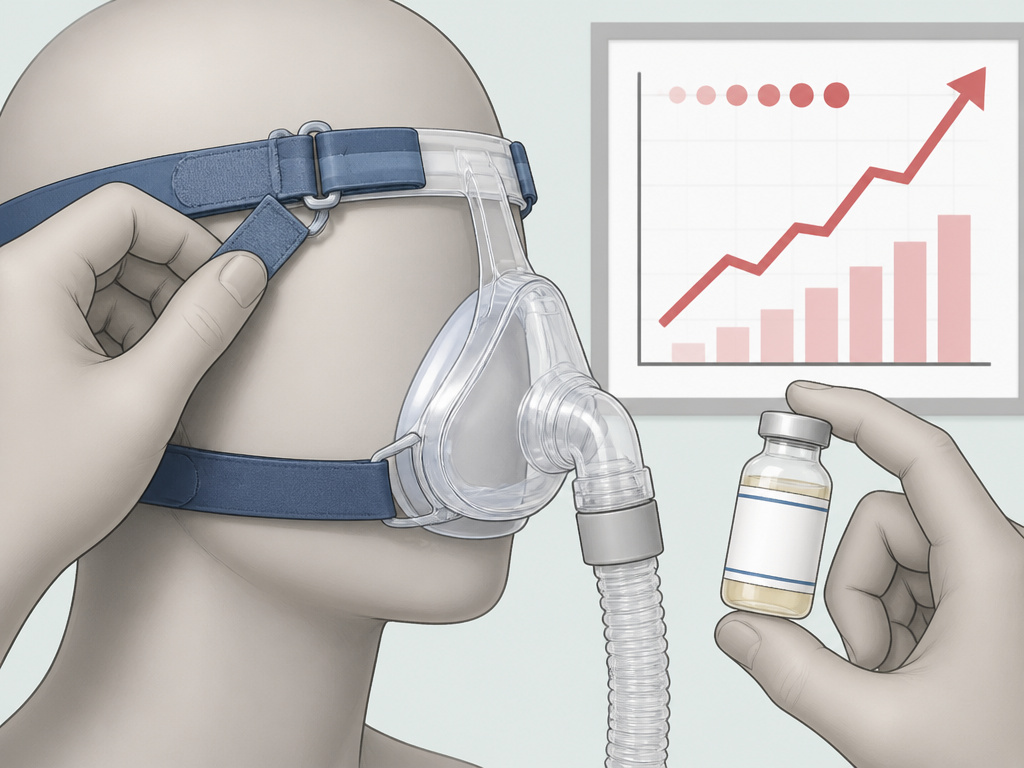
So what do you actually do? The sequence matters. Change one thing at a time so you know what’s working.
- Get Screened First. If you’re considering TRT and snore, have daytime fatigue, or have a thick neck, ask for a sleep study. This is the baseline. You can’t manage what you don’t measure.
- Treat the Apnea. If you’re diagnosed, get the apnea under control first. This usually means a few months of consistent CPAP use. Adherence is the hard part, a mask feels strange, but the data on cardiovascular protection is solid. Your goal is to normalize your sleep architecture and eliminate hypoxia.
- Start TRT Cautiously. Begin with a physiologic replacement dose. The goal is to reach the mid-normal range, not the top. Supraphysiologic dosing is where the older, scarier case reports live.
- Monitor Hematocrit Relentlessly. Expect your doctor to check your hematocrit before starting TRT, at 3 months, 6 months, and then at least annually. A steep climb means you need to look again at your apnea therapy adherence or consider a dose adjustment.
- Re-evaluate Symptoms. Keep a simple log. Rate your sleep quality, daytime energy, and mood on a 1-10 scale. If you feel more fatigued after starting TRT, don’t assume it’s the testosterone, get another sleep study to see if your apnea has changed. The bidirectional link between sleep and testosterone means fixing one often helps the other.
Understanding the Bidirectional Cycle
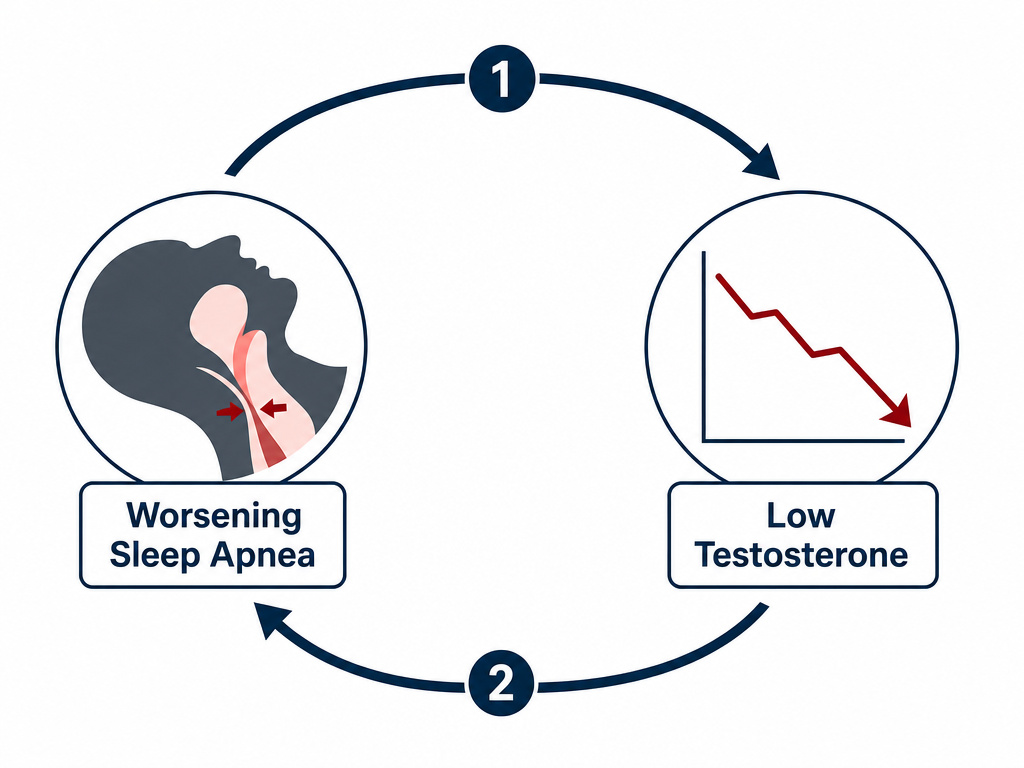
The relationship is a bidirectional loop. Low testosterone can worsen sleep apnea by promoting central adiposity (weight gain around the neck) and reducing upper airway muscle tone, a key factor in the can trt worsen sleep apnea discussion. Conversely, sleep apnea suppresses testosterone production by fragmenting sleep and reducing time in restorative, deep sleep stages where testosterone is primarily released.
This creates a vicious cycle: low T -> worse apnea -> poorer sleep -> even lower T. Breaking the cycle requires attacking both sides. Treating sleep apnea with CPAP has been shown in some studies to modestly increase testosterone levels, simply by restoring normal sleep. This is why asking if TRT worsens apnea is only half the question. The full question is how to manage two interconnected conditions for net health benefit. For a deeper look at how one influences the other, see our analysis on sleep apnea causing low testosterone.
Does TRT always worsen sleep apnea?
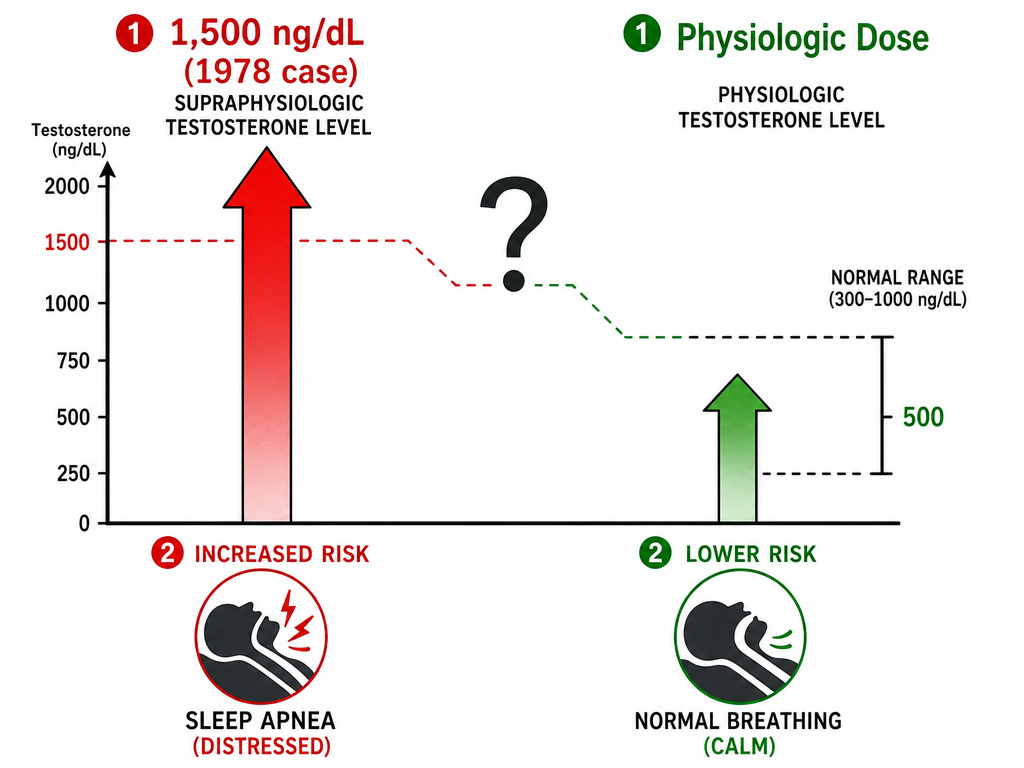
Research presents a mixed picture. Modern reviews (e.g., Hoyos et al.) point out that the strongest evidence linking testosterone therapy to new or worsened sleep apnea comes from a single old case report using a supraphysiologic dose and question the strength of the connection. This contrasts with persistent warnings based on older anecdotal evidence and case reports. In that 1978 case, the patient’s testosterone level reached 1,500 ng/dL during retreatment. More recent analyses suggest the effect of standard, physiologic replacement doses may be negligible. This contrasts with persistent warnings based on that older anecdotal evidence. The core disagreement centers on whether findings from extreme, high-dose cases apply to men receiving careful, modern testosterone replacement aimed at restoring normal levels.
Frequently Asked Questions
Can I take TRT if I have sleep apnea?
Yes, but with critical caveats. If your apnea is severe and untreated, most clinical guidelines recommend you avoid TRT until the apnea is controlled with CPAP or another effective therapy. For mild to moderate apnea that is well-treated, TRT may be considered with close monitoring of symptoms and hematocrit. The decision must be made with a doctor who understands both endocrinology and sleep medicine.
Why does TRT make sleep apnea worse?
The proposed mechanisms are physiological. Testosterone may increase upper airway collapsibility by altering fat distribution or muscle tone in the neck. It can also affect the central nervous system’s control of breathing during sleep. However, these effects are most pronounced with high, supraphysiologic doses. The bigger practical issue is the additive effect on red blood cell production, which raises hematocrit and increases cardiovascular risk when combined with apnea-induced hypoxia.
What is the 4% rule for sleep apnea?
In a sleep study, a “hypopnea” (a shallow breath) is often scored when there’s a 4% drop in blood oxygen saturation. The “4% rule” refers to this scoring criterion. The total number of apneas (pauses) and hypopneas per hour of sleep is your Apnea-Hypopnea Index (AHI), which determines the severity of your OSA. An AHI of 5-15 is mild, 15-30 is moderate, and over 30 is severe.
No. Testosterone replacement therapy is not a treatment for sleep apnea. The evidence on whether it worsens apnea is mixed, with modern reviews suggesting the effect of standard replacement doses may be negligible. The goal of TRT is to alleviate symptoms of hypogonadism like low energy and libido. If you have apnea, it must be treated with established therapies like CPAP, oral appliances, or surgery. Some men find that treating their low testosterone gives them more energy to adhere to CPAP therapy, which is an indirect benefit.
Before You Go
The conversation shouldn’t be “TRT causes apnea.” It should be “How do we manage two common conditions that interact?” The data shows the risk is manageable with vigilance.
If you have apnea, get it treated first. Full stop. The benefits and risks of TRT must be weighed on a foundation of stable breathing at night. Then, if you and your doctor decide to proceed, let hematocrit be your guidepost. A rising count is a flashing check-engine light, don’t ignore it.
Finally, remember that your subjective experience trumps any lab number. If you start TRT and feel more tired, not less, that’s a valid data point. It could point to a need for a sleep study re-check, not just a testosterone dose adjustment. This is the practical, layered approach that moves beyond scary headlines and into actual care.
