
Do Testosterone Boosters Actually Work?
This post contains affiliate links. As an Amazon Associate, we earn from qualifying purchases.
Most over-the-counter testosterone boosters do not work as advertised. A systematic analysis of 50 products found their claims are not supported by academic literature, and they often contain mega-doses of vitamins like B12 (1,291% of the RDA) and zinc (272% of the RDA). A handful of purified extracts like PrimaVie™ Shilajit show “possibly effective” results in specific populations, but these are not the formulations typically sold in multi-ingredient supplements.
That gap between a single studied extract and the bottle on the shelf is where the money gets spent. You are not buying the clinical trial. You are buying a marketing department’s interpretation of it, blended with cheap fillers and hidden behind a “proprietary blend” label. This is why many people ask, do testosterone boosters actually work?
What follows is a breakdown of what the evidence actually says, ingredient by ingredient, and how to read a label so you know exactly what you’re putting in your body. We’ll also cover when prescription therapy is the only path that makes medical sense.
Key Takeaways
- An analysis of 50 commercial boosters found a median of 1,291% of the RDA for vitamin B12 and 272% for zinc. A separate analysis found that thirteen testosterone booster products exceeded the US FDA Upper Tolerable Limit (UL) for zinc, vitamin B3, or magnesium.
- Clinical evidence is population-specific: HMB and betaine are rated “effective” for athletes, while purified extracts like PrimaVie™ Shilajit are “possibly effective” only for men with late-onset hypogonadism.
- Proprietary blends are a red flag because they hide individual ingredient doses, making it impossible to compare to studied amounts.
- Prescription testosterone replacement therapy (TRT) shows a class effect for improving libido, but individual products often fail to beat placebo for depression, erectile function, or quality of life.
- Correcting a documented vitamin D or zinc deficiency is more likely to impact how you feel than any over-the-counter booster blend.
The Evidence for Common Booster Ingredients
You cannot address the do testosterone boosters actually work question without naming the exact ingredient, its dose, and the population it was tested on. The research draws sharp lines here. What might be “possibly effective” for a 60-year-old man with diagnosed hypogonadism is often completely unsupported for a healthy 30-year-old athlete.
A 2023 systematic review, one of the most recent and thorough on this topic, categorized ingredients by the group they actually helped. It’s not a long list.
For male athletes, β-hydroxy β-methylbutyrate (HMB) and betaine are considered ‘effective’ testosterone boosters. A non-hormonal aromatase inhibitor (Novadex XT™) is ‘possibly effective.’ For men with late-onset hypogonadism, purified Shilajit extract (PrimaVie™) and a blend of pomegranate and cocoa extracts (Tesnor™) are ‘possibly effective.’
Notice the specificity. These are not broad-spectrum “T-boosters.” They are tools for specific jobs. The review found that for healthy men, only Eurycoma longifolia (Tongkat Ali) and Withania somnifera (ashwagandha) merited a “possibly effective” rating. Every other herb, amino acid, and mineral in the typical supplement aisle lacked sufficient evidence.
This creates the first major filter. If a product’s label doesn’t tell you how much Tongkat Ali or ashwagandha is in it, because it’s buried in a “TestoBlend” totaling 500mg, you have no way of knowing if the dose matches the research for the do testosterone boosters actually work query. The studied doses for these extracts are specific and often high. An under-dosed ingredient is a waste of money.
The Problem with Proprietary Blends and Mega-Dosing
Flip over a booster bottle. If you see a “proprietary blend” with a total milligram count but no breakdown for each ingredient, put it back. This isn’t protecting a secret formula. It’s protecting the manufacturer from scrutiny. A 2019 analysis illustrates why this practice is so problematic.
Researchers examined 50 best-selling “testosterone boosting” supplements. They didn’t just check the herbs; they looked at the vitamin and mineral doses, which are required to be listed.
| Nutrient | Median % of RDA in 50 Products | FDA Upper Tolerable Limit (UL) Risk |
|---|---|---|
| Vitamin B12 | 1,291% | Not typically exceeded |
| Vitamin B6 | 807.6% | Potential risk with long-term use |
| Zinc | 272% | 13 products exceeded the UL |
| Vitamin B5 | 200% | Low risk |
| Vitamin B3 | 187.5% | Some products exceeded the UL |
Thirteen of the fifty products exceeded the U.S. Food and Drug Administration’s Upper Tolerable Limit for zinc, vitamin B3, or magnesium. Exceeding the UL for zinc, for example, can pose health risks.
How to Read a Supplement Label (And What to Ignore)
The label is a legal document, but it’s written to sell first and inform second. Your job is to read past the marketing.
- Find the “Supplement Facts” panel. Ignore everything on the front of the bottle. The facts panel is legally mandated.
- Scan for a “Proprietary Blend.” If you see one, note the total weight (e.g., “Anabolic Test Complex: 500mg”). This is a sum of all the ingredients listed beneath it. You cannot know if the first ingredient is 490mg and the last is 10mg. This is unacceptable for any product making a specific health claim.
- Look for single-ingredient listings. A brand that lists each active ingredient on its own line with its specific dose is a quality brand. For example: “L-Citrulline Malate: 3000mg.” This allows you to verify that the dose is in the range used in clinical studies.
- Check the “% Daily Value” for vitamins and minerals. As the table above shows, wild oversupplementation is common. A dose at 200-300% of the Daily Value might be intentional for a therapeutic purpose. A dose at 1,291% is a red flag for careless formulation.
- Verify the source. Does it say “Ashwagandha (Withania somnifera) root extract (standardized for 5% withanolides)”? Specificity like this indicates the manufacturer is targeting the bioactive compounds studied. Just “Ashwagandha powder” is cheaper and less reliable.
Common mistake: Buying a blend because it has 10 “test-supporting” ingredients. A 2017 network meta-analysis of prescription testosterone therapy found that while TRT as a class improved libido, no individual TRT products beat placebo for improving depression or erectile function. If prescription products with precise, high doses struggle to show consistent benefits for some symptoms, an under-dosed herbal blend has almost no chance.
This process takes two minutes. It will disqualify many of the products on the shelf. That’s the point. You’re filtering for signal over noise.
Testosterone Boosters vs. TRT: A Reality Check
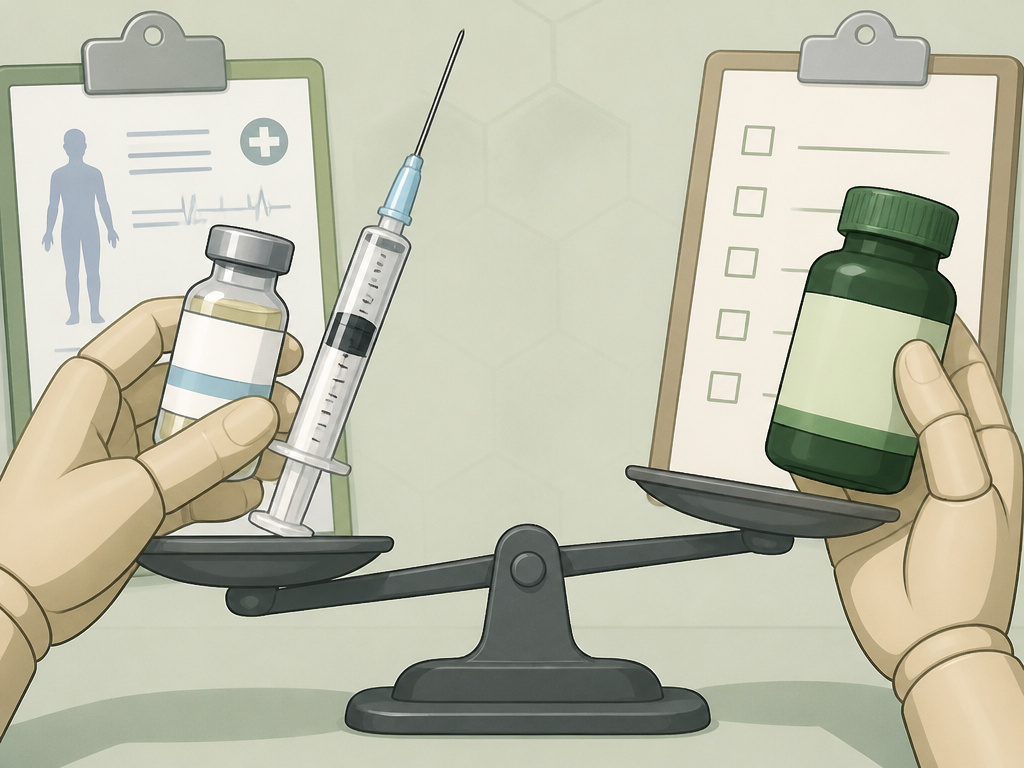
When people ask if boosters work, they’re often comparing them to the gold standard: prescription testosterone replacement therapy (TRT). This is not a fair fight. TRT is a regulated, dose-controlled medical treatment for a diagnosed condition. Supplements are not.
The evidence for TRT is mixed but far more robust. A large 2017 network meta-analysis in the BMJ dug into the data on hypogonadal men. It found that TRT as a class has a class effect for improving libido. However, it also revealed a crucial nuance: only one specific TRT product was better than placebo at improving quality of life, and no individual TRT outperformed placebo for depression or erectile function.
The data on raising testosterone levels with TRT is clearer. The same analysis showed that after 6 months of treatment, about half of TRT treatments (11 out of 18) significantly raised total testosterone compared to placebo. By the end of treatment periods (up to 36 months), most therapies (26 out of 28) got men’s levels above 12 nmol/L, a common threshold for sufficiency.
The debate over TRT’s cardiovascular safety is complex and shows why medical supervision is essential. Sources disagree on the risk: * A large retrospective U.S. Cohort study linked TRT to a lower risk of heart attack, stroke, and sudden cardiovascular death. * Other observational studies, including one of men who had undergone coronary angiography, found TRT was associated with a higher risk of adverse cardiovascular events.
This disagreement in the literature means your personal health profile, especially heart disease risk factors, dictates whether TRT is safe for you. A doctor’s role is to weigh these studies against your individual labs and history. A supplement label does none of this work.
When Might a Booster Be Worth Trying?
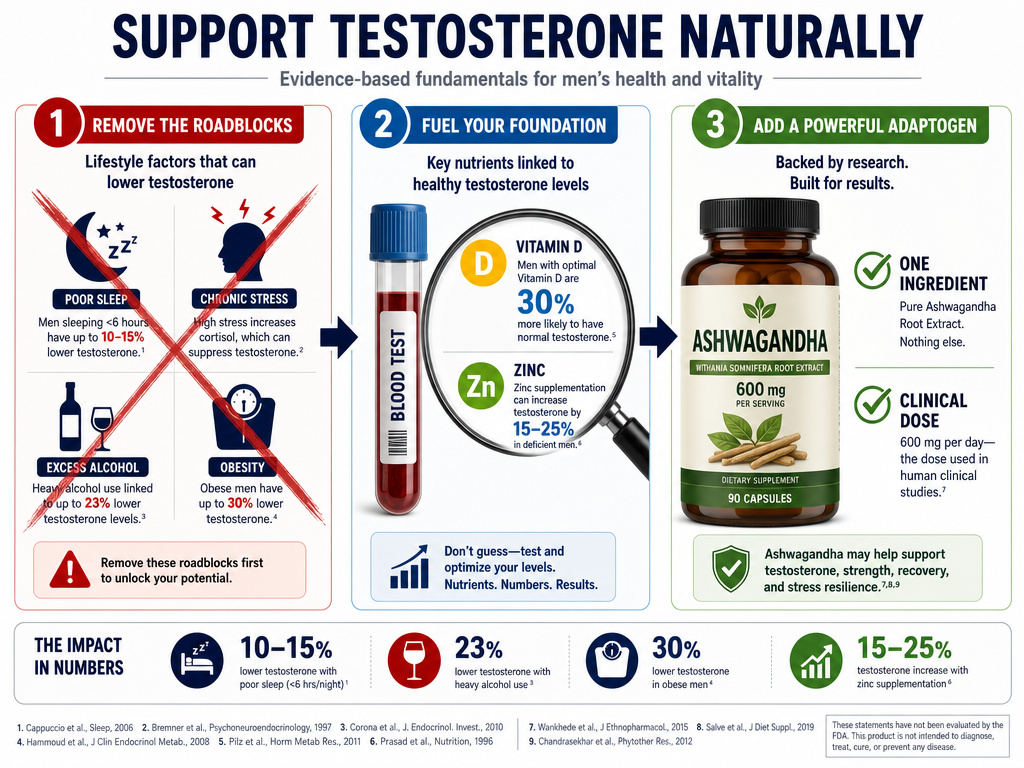
Given the weak evidence, is there any scenario where buying a booster isn’t just hopeful thinking? Only under strict conditions.
First, you must have ruled out, or better yet, corrected, the foundational issues that crush testosterone. Chronic sleep deprivation, excessive alcohol, relentless stress, and obesity are far more powerful suppressors than any supplement is a booster. No pill fixes a broken lifestyle.
Second, you should have blood work. Not to guess if you’re “low,” but to check for specific, correctable deficiencies. The most common are vitamin D and zinc. An analysis of 50 testosterone booster products found a median of 272% of the RDA for zinc. If you are genuinely zinc-deficient, supplementing with a reasonable dose (like 15-30 mg) could help. But taking 272% of the RDA when you are not deficient risks toxicity.
If your labs are normal, your lifestyle is dialed, and you still want to experiment, your strategy should be singular. Pick one “possibly effective” ingredient with a sensible safety profile, like ashwagandha, and buy it as a single-ingredient product from a brand that sells single-ingredient products. Use the label-reading skills from earlier to ensure the dose matches the clinical trials. Take it consistently for a trial period and see how you feel, energy, stress resilience, recovery. Then, stop and see if you notice a difference.
This single-ingredient approach isolates variables. It’s how you learn what, if anything, works for your body. It is the opposite of buying a proprietary blend with 15 ingredients, which is just expensive confusion in a bottle.
Do testosterone boosters increase prostate cancer risk?
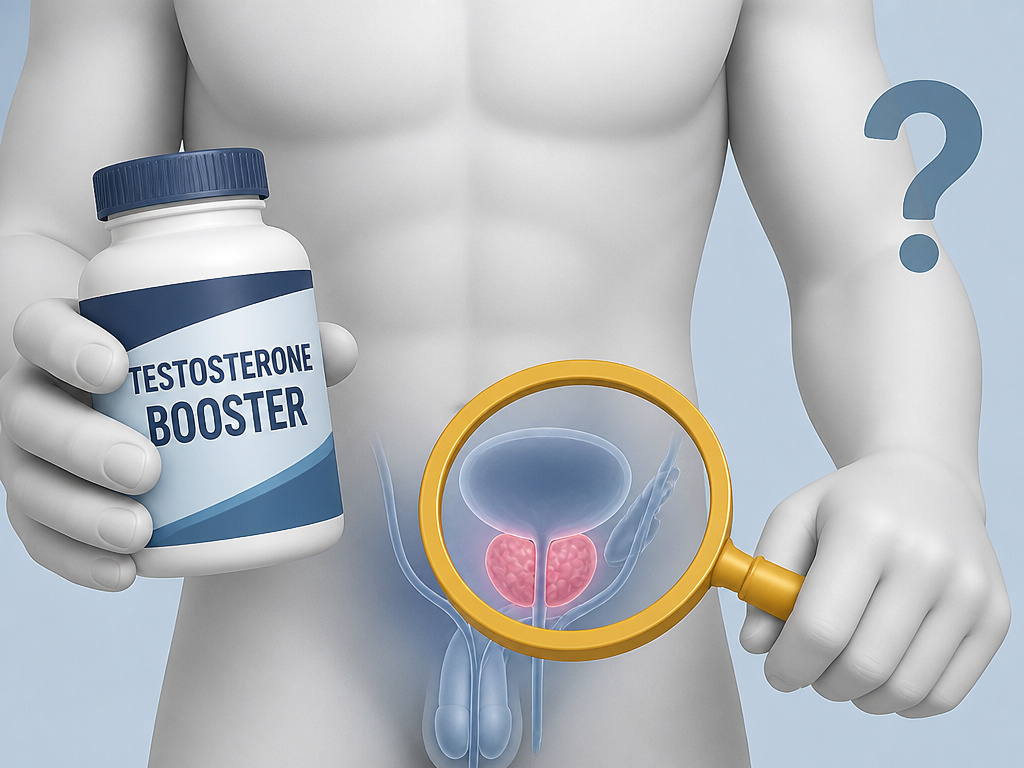
Research on testosterone replacement therapy (TRT) and prostate cancer is complex and evolving. When evaluating any supplement or therapy that alters hormone levels, discussing individual risk factors with a doctor is a necessary step. This is especially true for men with a personal or family history of prostate issues. The decision to use a testosterone booster should be informed by a full understanding of your personal health profile, not just the potential benefits.
Frequently Asked Questions
Does testosterone booster actually do anything?
For most healthy men, over-the-counter testosterone boosters do not significantly raise serum testosterone levels. A 2023 systematic review found that evidence for effectiveness is limited to specific populations and purified extracts.
What is the best testosterone booster that really works?
The most reliable “booster” is not a supplement at all. It’s addressing lifestyle factors: achieving consistent, quality sleep; managing chronic stress; maintaining a healthy weight; and engaging in regular strength training. If a deficiency is present, correcting a lack of vitamin D or zinc with a simple, properly dosed supplement has more evidence than any multi-ingredient herbal blend.
How do testosterone boosters compare to TRT?
Testosterone Replacement Therapy (TRT) is a prescription medical treatment with proven efficacy for raising testosterone levels in hypogonadal men and shows a class effect for improving libido. Over-the-counter boosters lack comparable evidence for increasing hormone levels. TRT also carries known risks and requires ongoing medical monitoring, whereas supplements are minimally regulated and can pose risks through mega-dosing and contamination.
Are there side effects to testosterone boosters?
Yes. The most documented risks come from excessive vitamin and mineral dosing. A study of 50 products found 13 exceeded the FDA’s Upper Tolerable Limit for zinc, B3, or magnesium, which can pose health risks. Herbal ingredients can interact with medications. Relying on supplements can also delay the diagnosis and treatment of actual hypogonadism, which requires medical care.
Before You Go
The data forces a blunt conclusion: the over-the-counter testosterone booster market is built on marginal evidence, proprietary obfuscation, and vitamin mega-dosing. Your money is better spent almost anywhere else, on a gym membership, quality food, or a sleep-tracking device.
If you have persistent symptoms like crushing fatigue, lost libido, or brain fog, skip the supplement aisle and talk to a doctor. Get full blood work. The answer might be a simple deficiency, a thyroid issue, or bona fide hypogonadism requiring a prescription. A pill promising to “naturally boost testosterone” is the most expensive way to avoid that necessary conversation.
Start with the basics. Fix what you can measure. Let the complicated chemistry of hormones follow from there, not the other way around.
