
Foods That Increase Testosterone: The Supporting Evidence
This post contains affiliate links. As an Amazon Associate, we earn from qualifying purchases.
Foods can increase testosterone through three direct mechanisms: by signaling the brain to release more luteinizing hormone, by supporting the enzymes in the testes that synthesize testosterone, or by protecting those cells from oxidative damage. The most consistent evidence points to specific types of omega-3 fats, certain probiotics, and maintaining a balanced diet that avoids extreme high-protein, low-carbohydrate patterns.
That’s the mechanical answer. The practical one is messier because your body mass index (BMI) changes how some nutrients work, and eating a single “testosterone food” at dinner doesn’t override a day of poor choices. This is true even for foods that increase testosterone.
What follows is a breakdown of the nutrients with real data, the common foods that carry them, and how to build a daily pattern that supports your levels instead of fighting them, including a clear look at foods that increase testosterone. We’ll also clear up the persistent myths about soy, oysters, and what “boosting” actually means in the research.
Key Takeaways
- The link between omega-3 fats and testosterone depends entirely on your BMI and the specific fatty acid; docosapentaenoic acid (DPA) shows the most consistent positive association.
- Extreme high-protein, low-carb diets (with protein ≥35% of calories) can decrease resting testosterone by roughly 5.23 nmol/L, a 37% drop for an average man.
- Probiotic strains like Lactobacillus reuteri have been shown in randomized trials to increase serum free and total testosterone with 12 weeks of supplementation.
- Soy and isoflavones do not affect testosterone or estrogen levels in men, according to a 2021 meta-analysis of 41 clinical studies, although a separate review of animal studies lists isoflavones among supplements associated with testosterone.
- Building a supportive diet is less about singular “superfoods” and more about consistent nutrient density, covering zinc, magnesium, and vitamin D without creating new deficiencies.
How Foods Actually Affect Testosterone Production
Forget the idea of a food “containing” testosterone. Nothing you eat has the hormone itself. Instead, the foods that increase testosterone provide the raw materials and signals that help your body make its own.
A 2021 review in the Journal of Men’s Health outlined the three pathways. Foods or supplements can work by regulating luteinizing hormone (the signal from your brain that tells the testes to start production), by regulating testosterone synthase in the testis (the factory machinery), or by regulating the enzymes that break testosterone down. Much of the protective effect against decline comes from the antioxidant capacity of certain nutrients, shielding the hormone-producing cells from damage.
This 2021 review noted that animal studies have associated 5 nutritional components, 7 food ingredients, and 25 supplements with testosterone levels. The jump from animal data to human results is where most marketing claims fall apart.
The acute response is different. A clinical study found that consuming any macronutrient, a 400 kcal bolus of pure dextrose, protein, or lipid, suppresses circulating testosterone within hours. Protein caused the most intense and prolonged drop, lasting about 320 minutes. This is a short-term pharmacological effect, not a reason to avoid protein. It highlights that your overall dietary pattern matters far more than any single meal.
The Omega-3 Picture Is More Complicated Than You Think
Fatty fish like salmon and mackerel are standard recommendations. The reason is their omega-3 content, but the story isn’t simple. A 2022 analysis of National Health and Nutrition Examination Survey (NHANES) data dug into six specific omega-3 fatty acids: total Omega-3, DHA, EPA, ALA, DPA, and SDA.
When they looked at all 8,686 men together, only one fatty acid showed a clear, positive link: docosapentaenoic acid (DPA). The others had no significant association overall. But when they split the men by body mass index (BMI), a more nuanced picture emerged.
| BMI Category | Omega-3s with Positive Association | Omega-3s with Negative Association |
|---|---|---|
| < 25 (Normal Weight) | Total Omega-3, ALA | None |
| 25–30 (Overweight) | None | SDA |
| ≥ 30 (Obese) | DHA, EPA, DPA, SDA | None |
The takeaway isn’t that omega-3s are useless. It’s that their effect depends on your metabolic context. For instance, the positive link for ALA in normal-weight men might reflect a diet richer in plants like flaxseed. The negative link for SDA in the overweight group could be a statistical quirk, as few foods are naturally high in SDA. For men with obesity, the anti-inflammatory properties of marine omega-3s (DHA, EPA) might help lower chronic inflammation that inhibits hormone production.
This kind of data is why blanket statements fail. A research paper on the association between dietary omega-3s and testosterone forces us to be specific.
The Protein and Carbohydrate Trap
Low-carbohydrate diets are popular for weight loss, but their effect on testosterone is a case study in trade-offs. A 2022 systematic review and meta-analysis examined low-carbohydrate diets and made a critical distinction based on protein intake. It then made a critical distinction based on protein intake.
- Low-carb with moderate protein (<35% of calories from protein): Had no consistent effect on resting testosterone.
- Low-carb with high protein (≥35% of calories from protein): “Greatly decreased” resting total testosterone by approximately 5.23 nmol/L.
For a man with a mean population level around 14 nmol/L, that’s a 37% decrease. The hormonal shift (lower testosterone, higher cortisol) might be the body’s way of upregulating that cycle to cope.
The same low-carb diet hormone review found post-exercise total testosterone was higher on long-term moderate-protein low-carbohydrate diets but lower on short-term high-protein low-carbohydrate diets. The lesson is clear: if you go low-carb, keep your protein moderate. Slashing carbs and doubling down on steak and shakes is a recipe for crushing your testosterone.
Nutrients and Foods with Supporting Evidence
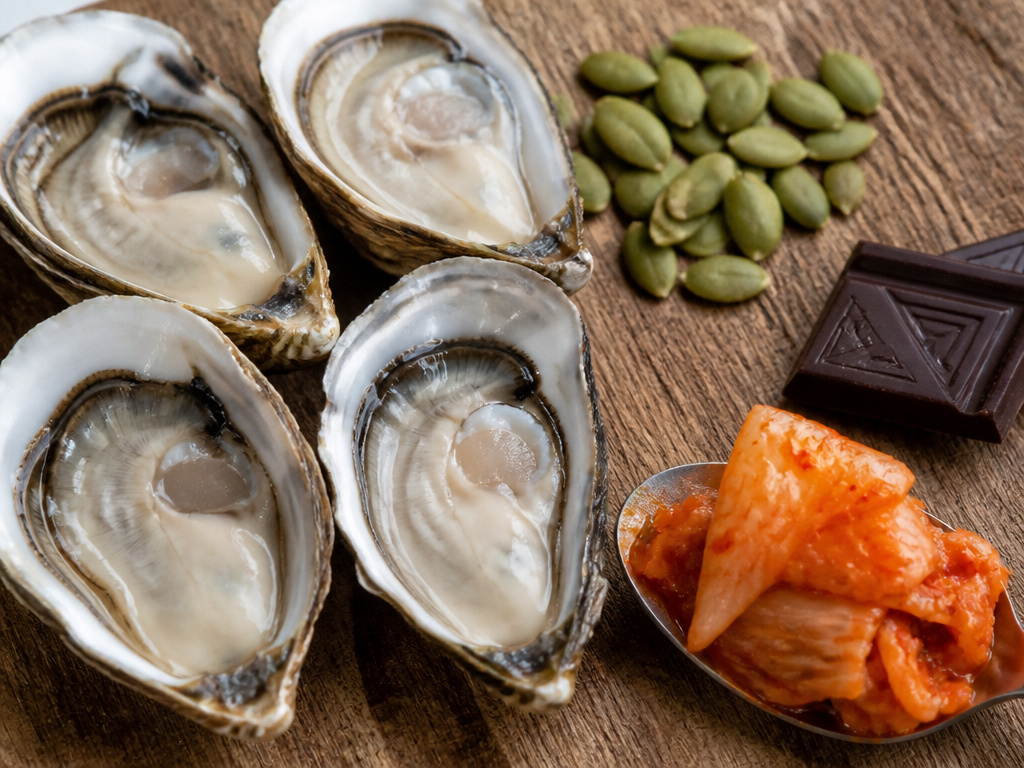
Beyond the major patterns, several specific nutrients and food components have credible links to testosterone support. Here’s what the clinical and review data points to.
Zinc and Magnesium: The Foundation
These minerals are co-factors in hundreds of enzymatic reactions, including testosterone synthesis. A deficiency in either can impair production.
- Zinc: Oysters are famous for their sky-high zinc content, which is why they “work” for men who are deficient. For everyone else, they’re just a strong source. Beef, pumpkin seeds, and lentils are more practical daily sources.
- Magnesium: Involved in converting vitamin D into its active form, which itself is linked to testosterone. Leafy greens, nuts, seeds, and dark chocolate are excellent sources.
Probiotics: The Gut-Hormone Connection
This is an emerging area with compelling early data. A systematic review highlighted two randomized controlled trials:
- Supplementation with Lactobacillus reuteri for 12 weeks significantly increased serum free testosterone compared to a placebo.
- A probiotic mixture containing L. Acidophilus, L. Casei, Bifidobacterium bifidum, and Lactococcus lactis for 12 weeks significantly increased serum total testosterone.
The mechanism isn’t fully understood but may involve reducing gut inflammation, improving barrier function, and modulating the metabolism of compounds that affect hormone pathways. It suggests that a healthy gut microbiome, supported by fermented foods like yogurt, kefir, and kimchi, is part of the hormonal health picture.
The Soy Myth Versus The Data
This is a major point of confusion. A 2021 meta-analysis of 41 clinical studies concluded that “neither soy protein nor isoflavone exposure affects total testosterone, free testosterone, or estrogen levels in men.” This human data directly contradicts older animal studies and widespread internet claims.
Where this goes sideways: Avoiding soy products like tofu or edamame because of testosterone fears. The clinical evidence shows no effect, so you’re eliminating a quality plant-based protein source for no reason.
The 2021 meta-analysis on soy and isoflavones is definitive. The fear is a commodity idea that won’t die, but the non-commodity data says you can ignore it.
Building a Testosterone-Supportive Diet Plan

A list of “good” foods is useless without a framework to use them. The goal is nutrient density and calorie sufficiency without extreme restriction. Here’s a practical approach.
First, cover the fundamentals. Use an app like Cronometer for a week to see if you’re consistently hitting the Recommended Dietary Allowance (RDA) for zinc, magnesium, and vitamin D. Many men are sub-optimal in one or more. A basic diet plan built around whole foods will address this better than any supplement.
Second, prioritize fatty fish. Aim for two 4-6 ounce servings of salmon, mackerel, sardines, or herring per week. This provides the EPA and DHA that show promise, especially for men with higher BMIs. If you hate fish, a high-quality fish oil supplement is an alternative, though the NHANES omega-3 testosterone study suggests food sources may have advantages.
Third, don’t fear whole eggs or red meat in moderation. They provide cholesterol (the backbone of testosterone), protein, B vitamins, and minerals.
Fourth, include fermented foods daily. A serving of yogurt, kefir, sauerkraut, or kimchi supports the gut microbiome, which the probiotic research indicates is relevant.
Finally, balance your plate. A high-protein, low-carb approach can backfire, as the systematic review of low-fat diets and the low-carb meta-analysis both show. A pattern like the Mediterranean diet, rich in vegetables, fruits, whole grains, healthy fats, and moderate protein, avoids the extremes and provides broad antioxidant support.
Foods and Habits to Limit or Avoid

Just as important as what you add is what you subtract. Certain patterns actively work against hormonal health.
- Excessive Alcohol: Chronic heavy drinking can damage Leydig cells in the testes (where testosterone is made) and increase the conversion of testosterone to estrogen.
- Trans Fats & Highly Processed Foods: These promote inflammation and oxidative stress, which can impair testicular function. The antioxidant effect of good foods is partly about countering this damage.
- Severe Calorie Restriction: Starvation diets signal your body to shut down “non-essential” processes like reproduction. Testosterone plummets. This is why very low-calorie diets and extreme fasting can crush your levels.
- Soy? No. As established, the data doesn’t support avoiding it. The real culprits are the processed, inflammatory foods.
Do avocados increase testosterone?
Avocados are a source of healthy fats, but direct evidence linking them to increased testosterone in humans is not specified in the research reviewed here. The science shows that foods can influence hormone levels through specific mechanisms, such as regulating the brain’s signal to produce testosterone, supporting the testicular machinery that makes it, or controlling the enzymes that break it down. A key protective role comes from the antioxidant effects of certain foods, which can help prevent a decline in testosterone. While avocados contain nutrients with antioxidant properties, focusing on a balanced diet that supports these general pathways is the most practical approach.
Do pomegranates and berries increase testosterone?
Pomegranates and berries are rich in antioxidants, and this is relevant for testosterone support. Research indicates that suppressing a decrease in testosterone can depend on the antioxidant effect of foods. By protecting hormone-producing cells from oxidative damage, these foods may help maintain levels. While the fact sheet does not cite specific studies on these fruits for testosterone, they align with the general principle of including antioxidant-rich foods in your diet. Incorporating a variety of colorful berries and pomegranate can be a strategic part of an overall eating pattern aimed at supporting hormonal health through nutrient density.
Frequently Asked Questions
Which food raises testosterone the most?
No single food is a magic bullet. The most consistent food-based associations are with fatty fish (for omega-3s DPA, EPA, DHA) and zinc-rich foods like oysters or beef if you are deficient in zinc. For most men, building a consistent pattern of nutrient-dense whole foods has a greater impact than any one item.
What raises testosterone quickly?
Foods do not raise testosterone quickly in a meaningful, sustained way. The acute hormonal response to a meal is a brief suppression, not an increase. For rapid, significant changes, lifestyle factors like a full night of sleep, managing intense stress, and heavy compound resistance training are far more powerful levers than your lunch.
Do bananas boost testosterone?
Bananas are a source of potassium and vitamin B6, which support overall health, but no study shows they directly boost testosterone. They are a healthy carbohydrate source, which can be beneficial if you’re active and not over-consuming protein. The link between potassium and testosterone from bananas is indirect at best.
What drink gives testosterone?
No common beverage directly increases testosterone. Green tea contains antioxidants that may support overall health. Avoiding sugary sodas and excessive alcohol is more important for hormone health than seeking a “testosterone drink.” Staying well-hydrated is fundamental for all cellular processes, including hormone production.
Before You Go
The biggest mistake is searching for a single hero food. The research points to patterns and contexts: omega-3s matter, but your BMI changes which ones; protein is essential, but too much within a low-carb framework can do harm; eggs and beef liver are nutrient powerhouses, not threats.
Start by tracking your food for a week to find your real gaps, often magnesium, zinc, or vitamin D. Add two servings of fatty fish. Include fermented foods. Then, look beyond the plate. The best diet for testosterone in the world can’t compensate for four hours of sleep or chronic stress. Food is the foundation you build on, not the entire structure.
