
Hematocrit vs Hemoglobin on TRT Explained: Is It Worth It?
This post contains affiliate links. As an Amazon Associate, we earn from qualifying purchases.
Hematocrit versus hemoglobin on TRT comes down to what they measure and their relationship. Hematocrit (HCT) is the percentage of your blood volume made of red blood cells, while hemoglobin (HGB) is the oxygen-carrying protein inside those cells. Testosterone replacement therapy increases both, with HCT typically rising by about 4% and HGB by about 1.1 g/dL on average, peaking around month three. The established baseline HCT/Hb ratio is approximately 3 (% per g/dL).
That ratio and the three-month peak are the practical anchors. They let you look at your lab report and know whether the numbers are moving in sync, or if something else might be skewing the picture. A single high reading isn’t an automatic alarm, but a trend that breaks the expected pattern is. The relationship of hematocrit vs hemoglobin on TRT explained is key to interpreting these patterns.
What follows: a breakdown of what each number actually means, why testosterone pushes them up, how your injection or gel choice changes the equation, and the straightforward monitoring schedule that keeps this side effect in check. By the end, you’ll read your CBC results with a lot less confusion.
Key Takeaways
- Watch the 3:1 ratio, hematocrit should be roughly three times your hemoglobin value (in g/dL). A mismatch can signal dehydration or a measurement quirk.
- Levels peak around month three of TRT and then stabilize. Don’t panic over initial rises; track the trend over multiple draws.
- Your TRT formulation matters. Long-acting injections and pellets cause a larger HCT increase than topical gels or intranasal testosterone.
- The critical safety threshold is 54% hematocrit. The Endocrine Society guideline advises pausing TRT above this level and resuming at a lower dose.
- Always draw labs under consistent conditions. Dehydration can falsely raise your hematocrit reading, causing unnecessary concern.
The HCT vs HGB Side-by-Side
First, we should clarify the definitions, since they are not interchangeable. Hematocrit is a volume measurement. Think of a tiny tube of your blood spun in a centrifuge. The red blood cells pack to the bottom. The hematocrit is the percentage of the total column height those red cells take up. If your red cells fill 45% of the tube, your hematocrit is 45%.
Hemoglobin is a weight measurement. It’s the actual mass of the oxygen-carrying protein inside those red cells, reported as grams per deciliter of blood (g/dL). It’s what gives blood its red color and does the work of carrying oxygen from your lungs.
The established clinical relationship is straightforward. For a given sample, the hematocrit value is usually about three times the hemoglobin value.
HCT (%) ≈ HGB (g/dL) × 3
This ratio is why labs report them together. A hemoglobin of 15 g/dL suggests a hematocrit around 45%. A significant deviation from the typical 3:1 ratio can be a clue to look deeper, which is why the hematocrit vs hemoglobin on trt explained is so important, as some research suggests the relationship between HCT and Hb may be altered during testosterone therapy. If your hematocrit is 50% but your hemoglobin is only 14 g/dL, the math doesn’t line up. Often, the culprit is simple dehydration, less plasma volume makes the red cell percentage appear artificially high.
| Parameter | What It Measures | Typical Unit | Normal Male Range | Key Relationship |
|---|---|---|---|---|
| Hematocrit (HCT) | Volume of red blood cells as a percentage of total blood volume. | Percent (%) | 40–54% | HCT is roughly 3 × HGB. A 45% HCT ≈ 15 g/dL HGB. |
| Hemoglobin (HGB) | Concentration of the oxygen-carrying protein within red blood cells. | Grams per deciliter (g/dL) | 13.5–17.5 g/dL | The primary driver of oxygen delivery; changes directly affect HCT. |
I learned this the practical way. My own hematocrit crept from the mid-40s toward 50 over my first few months on TRT. I saw the number and felt a jolt of concern. Then I looked at my hemoglobin, did the quick math, and saw they were moving in lockstep, the ratio held. It was a textbook increase, not a rogue reading. That’s the first check you should make on any lab report.
Why TRT Turns Up the Volume
Testosterone doesn’t just nudge these numbers; it rewires a core system. The mechanism has two main levers: erythropoietin (EPO) and hepcidin.
First, testosterone stimulates your kidneys to produce more erythropoietin (EPO). EPO is the hormone that tells your bone marrow to make more red blood cells. It’s the same hormone athletes abuse for “blood doping.” On TRT, your body gets a sustained, natural signal to ramp up production. A clinical trial found testosterone administration increased EPO levels, effectively resetting the body’s “set point” for red blood cell production to a higher level.
Second, testosterone suppresses hepcidin. This hormone is the gatekeeper for iron. High hepcidin locks iron in your storage cells, making it unavailable for making new red blood cells. By suppressing hepcidin, testosterone opens the iron gates. More iron flows into your bone marrow to be incorporated into new hemoglobin molecules. Research on the testosterone iron metabolism alteration shows this suppression happens quickly, within days of starting therapy, priming the body for increased red cell production.
The combined effect is powerful. A separate study documented an average increase of 1.1 g/dL in hemoglobin and 4.4% in hematocrit in men on testosterone therapy. Those increases represented a 7% and 10% jump from their baselines, respectively. This isn’t a side effect; it’s a direct, predictable physiological effect of the hormone.
How TRT Formulation Changes the Game
Not all testosterone is equally effective at boosting red blood cells. The formulation, how it gets into your system and how long it stays, dramatically affects the hematocrit response.
The general rule: long-acting, high-peak formulations cause the greatest increase.
Where this goes sideways: Assuming a gel and an injection have the same effect on your blood. Data shows injectable testosterone cypionate and subcutaneous pellets push hematocrit significantly higher than topical gels or short-acting intranasal testosterone.
Consider the data. A post-hoc analysis of clinical trials compared different methods over two months:
- Subcutaneous Testosterone Pellets (Long-acting): HCT increased significantly from a median of 44.6% to 46.7%. 14% of men developed polycythemia (HCT >50%), and 4% hit the safety trigger of HCT >54%.
- Intramuscular Testosterone Cypionate (Short-acting): HCT also increased significantly, from 41.6% to 43.8%.
- Intranasal Testosterone (Natesto – Short-acting): HCT showed no significant change.
The takeaway is clear. If you’re on a long-acting injectable or pellet protocol, you and your doctor must be vigilant about monitoring. If you’re using a gel or a short-acting option like Natesto, your risk of a problematic rise is considerably lower. This is a crucial piece of the puzzle most generic discussions miss when you compare a hematocrit vs hemoglobin on trt explained.
The 3-Month Peak and Your Monitoring Schedule
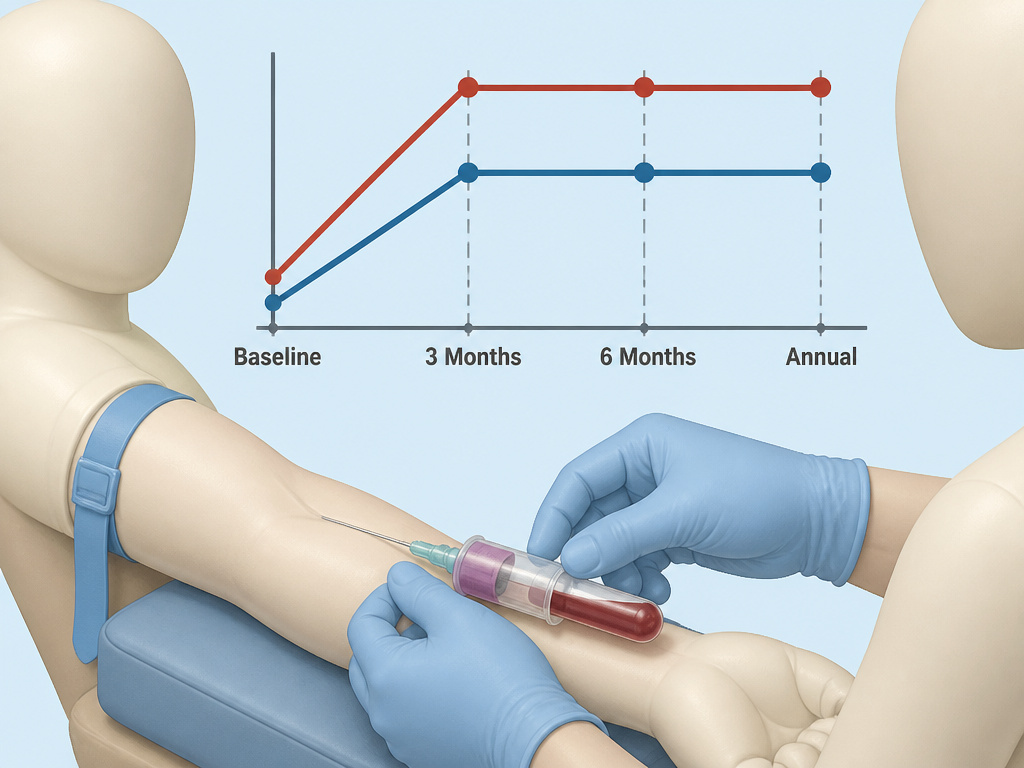
Here’s the timeline that manages worry. When you start TRT, your hemoglobin and hematocrit don’t climb forever. They rise for about three months and then plateau. That research also showed that three months after stopping therapy, levels returned to normal.
This timeline dictates the smart monitoring schedule. The Endocrine Society Clinical Practice Guideline recommends a clear path:
- Get a baseline measurement before you start.
- Check again at 3 months to catch the initial rise.
- Check at 6 months to confirm stabilization.
- After the first year, monitor 1–2 times annually.
This schedule isn’t arbitrary. It’s designed to catch the upward trend early and ensure you settle into a safe, steady state. It’s the difference between reactive panic and proactive management.
I now try to draw under the same conditions each time, well-hydrated and at the same time of morning. Hydration the day before a draw changed my own reading, which is enough to cause concern over nothing.
Sticking to this schedule is the hidden commitment of TRT that many men underestimate. It’s not a one-time prescription; it’s a standing appointment with your long-term health.
Reading Your Labs and Knowing When to Act
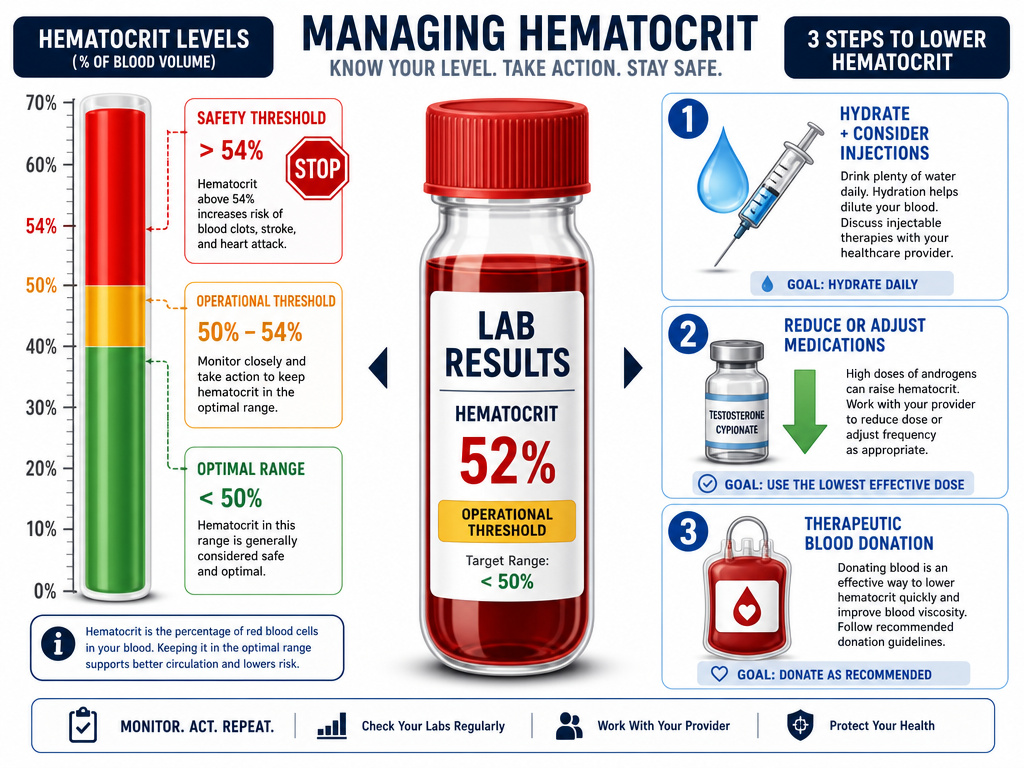
So your results are back. How do you translate numbers into action? Start with the two key thresholds.
First, an operational threshold. Some guidelines recommend a change in management when hematocrit drifts above 50%. This is the point for a conversation about hydration, dose, and possibly injection frequency. It’s a yellow light.
Second, the safety threshold. The Endocrine Society guideline is explicit: interrupt testosterone treatment if hematocrit increases above 54%, resuming at a reduced dose after it decreases. This is a red light, a direct risk for increased blood viscosity and potential clotting risk.
Common mistake: Acting on a single high reading. One elevated result, especially if you were dehydrated, is a data point. A trend across two or three draws is a pattern that requires action.
If your numbers are trending up, the management options follow a logical sequence:
- Optimize Hydration and Dose Frequency: Ensure you’re well-hydrated for labs. For injectable users, splitting a weekly dose into twice-weekly injections can smooth hormone peaks and blunt the erythropoietic signal.
- Dose Adjustment: A modest reduction in your total weekly testosterone dose is often the most effective way to lower hematocrit.
- Therapeutic Phlebotomy/Blood Donation: This physically removes red blood cells from your system. It’s a direct fix, but it doesn’t address the root cause (the testosterone dose). Policies on donating blood on TRT vary, so you must confirm with the donation center and your physician.
The goal is never to ignore rising levels. The goal is to manage them calmly, using the established thresholds and a stepwise approach, so you can continue benefiting from TRT safely.
What are the symptoms of high hematocrit?
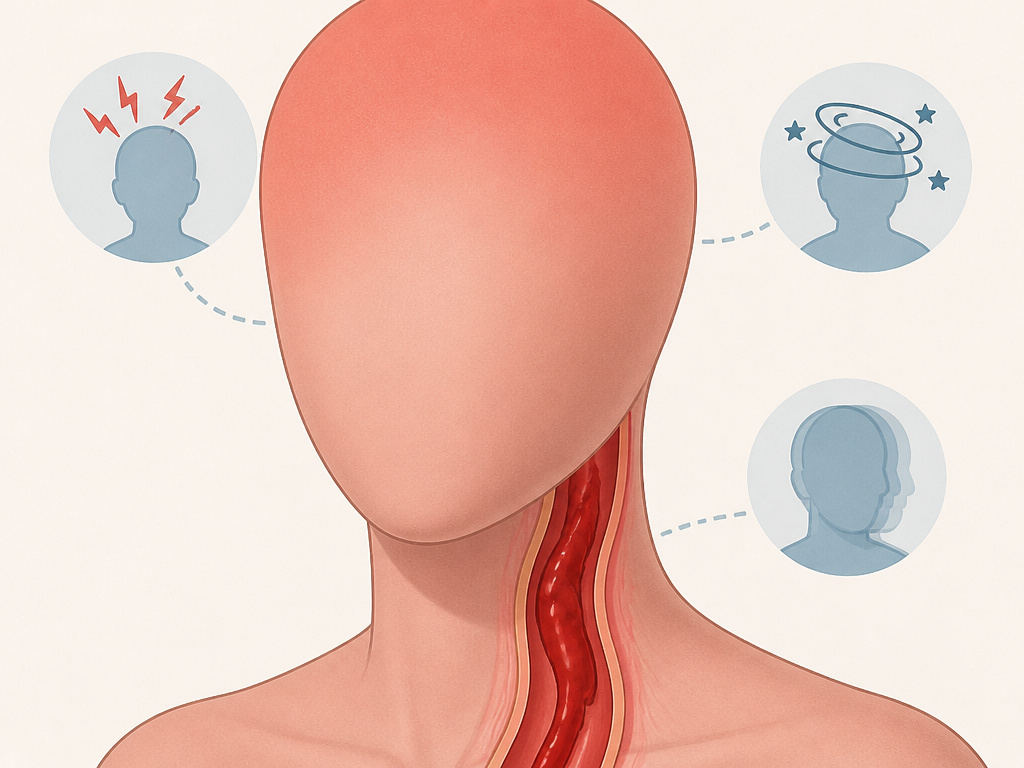
When hematocrit rises significantly, the blood becomes thicker and more viscous. This can lead to symptoms like headaches, dizziness, blurred vision, and a general feeling of fatigue or lethargy. Some individuals might experience itching, especially after a warm shower, or a ruddy, flushed complexion. In more pronounced cases, the increased blood thickness can contribute to a feeling of fullness in the head or even shortness of breath. Monitoring for these subjective changes is a practical part of managing testosterone therapy, alongside regular blood tests. If you experience such symptoms, it’s a signal to check your levels, as they may indicate your hematocrit has climbed above your personal baseline.
Frequently Asked Questions
What level of hematocrit is concerning on TRT?
Hematocrit above 54% is the definitive action threshold per the Endocrine Society guideline, where pausing therapy is advised. Many clinicians begin implementing management strategies, like dose adjustment or increased monitoring, when hematocrit consistently exceeds 50%. The concern is increased blood thickness and potential cardiovascular strain.
How to fix high hemoglobin and hematocrit on TRT?
The first step is always to consult your prescribing physician. Common clinical responses include: reducing your testosterone dose, increasing injection frequency (e.g., from weekly to twice-weekly) to minimize peaks, ensuring optimal hydration, and in some cases, therapeutic phlebotomy (a controlled blood draw) to directly lower red cell mass. Donating blood may be an option but requires prior approval.
How long does it take TRT to raise hematocrit?
Hematocrit and hemoglobin levels typically peak around 3 months after initiating testosterone therapy. This is why the 3-month follow-up blood test is critical.
How long after stopping TRT does hematocrit go down?
Research indicates that hematocrit and hemoglobin levels return to baseline approximately 3 months after discontinuing testosterone therapy. The red blood cells have a finite lifespan (about 120 days), and without the continued stimulus from testosterone, production slows and levels gradually normalize.
Before You Go
The hematocrit and hemoglobin conversation on TRT is about informed vigilance, not fear. You now know they’re linked by a 3:1 ratio, driven by EPO and hepcidin, and most influenced by long-acting formulations. You know the rise peaks around month three and is managed with a standard monitoring schedule.
The one rule to lock in: track trends, not single numbers. Your baseline, 3-month, and annual blood work are the story. A single high reading might just be a bad day or poor hydration. A consistent climb above 50% is your signal to partner with your doctor and adjust, whether that’s tweaking your dose, changing frequency, or occasionally donating blood.
This is the manageable side of the TRT equation. Keep your labs consistent, understand the timeline, and you’ll keep this powerful tool working safely for you for the long run.
