
How to Increase Libido Naturally in Men: A Realistic Guide
This post contains affiliate links. As an Amazon Associate, we earn from qualifying purchases.
To increase libido naturally in men, focus on fixing the foundational levers first: prioritize sleep (7+ hours), manage chronic stress, exercise regularly, and address any nutritional deficiencies. These lifestyle changes correct the most common reversible causes of low sex drive and create a baseline for any other intervention to work.
The problem is that most men reach for a pill before checking their own dashboard. Sleep, stress, and basic health markers are the gauges you need to read first when considering how to increase libido naturally in men. Adding a supplement to a body that’s running on empty and stressed to the limit is like putting premium fuel in a car with a flat tire.
What follows is a breakdown of what actually moves the needle, pulled from clinical guidelines and the patterns that trip men up. We’ll cover the four-step protocol, why libido isn’t the same as erectile function, and the one medical test that cuts through the guesswork.
Key Takeaways
- Fix sleep and stress first, chronic sleep deprivation and high cortisol are two of the biggest, reversible libido killers.
- Distinguish libido from performance, low desire is often a separate issue from erectile dysfunction, and treating the wrong one wastes time.
- Get a testosterone blood test if lifestyle changes don’t help; a clinically low level may need medical evaluation.
- Beware of proprietary blends in over-the-counter boosters; if a label doesn’t list exact ingredient doses, you can’t know what you’re taking.
- Give changes time, as natural methods work on biological rhythms, not overnight.
What Low Libido Actually Means (And What It Doesn’t)
This is where the confusion starts. Libido is your sexual desire, the interest, the spark, the want. Erectile dysfunction is a mechanical issue with blood flow and nerve signaling. They influence each other, but they are not the same system.
A man can have a strong libido but struggle with erections due to cardiovascular issues. More commonly for sustained low desire, a man can develop erectile difficulties, which then create performance anxiety that actively smothers his libido. He starts avoiding sex not because he doesn’t want it, but because he fears failing at it. That’s a psychological loop, not a hormonal one.
The Mayo Clinic libido FAQ frames it clearly: a gradual decline with age is natural, but a sudden or severe drop often points to an underlying condition. The first step is always figuring out which category you’re in.
The 4-Step Natural Libido Protocol
This isn’t a random list of tips. It’s a sequence. Each step builds on the one before it. Skipping to step four while ignoring step one is the most common reason natural methods “don’t work.”
Step 1: Audit Sleep and Stress (The Non-Negotiables)
Your body prioritizes survival over reproduction. Chronic stress floods your system with cortisol, which directly suppresses testosterone production. Poor sleep and chronic sleep deprivation wreck the nightly hormone-repair cycle where testosterone is made.
Where this goes sideways: Trying to supplement your way out of a sleep deficit. No amount of maca or zinc compensates for the hormone disruption of chronic sleep deprivation. The fix has to come from schedule changes, not the supplement cabinet.
I learned this the hard way. Years ago, during a brutal work stretch, I was getting about 5 hours of sleep a night and felt constant tension. I took a pile of tribulus, maca, and zinc. They did nothing. Two weeks of forcing a consistent 7-hour sleep schedule did more for my drive than all those bottles combined.
Action: Track your sleep for one week. Aim for a minimum 7-hour window in bed. For stress, identify one daily stressor you can eliminate or delegate.
Step 2: Move Your Body. But Not Just Any Way
Exercise is a potent libido modulator, but the type and intensity matter. Regular moderate exercise improves cardiovascular health, reduces stress, and can boost testosterone. Extreme, chronic cardio (like marathon training) can have the opposite effect, elevating stress hormones and lowering testosterone.
The mechanism is about balance. Exercise improves insulin sensitivity and blood flow, two factors critical for sexual function and hormone production. It also directly lowers cortisol if it’s not taken to exhaustion.
Action: Incorporate strength training 2-3 times per week. Add daily moderate activity like walking. Avoid making every workout a grind to total exhaustion.
Step 3: Dial In Diet and Hydration
You don’t need exotic superfoods. You need to eliminate the common dietary libido killers and ensure basic nutritional sufficiency.
| Dietary Factor | Impact on Libido | Simple Fix |
|---|---|---|
| Excess Sugar & Refined Carbs | Spikes insulin, promotes inflammation, can lower testosterone. | Swap sugary drinks for water, choose whole grains over white bread/pasta. |
| Chronic Alcohol Use | Depresses the central nervous system, disrupts sleep, and can lower testosterone. | Limit to 1-2 drinks on occasion, not daily. |
| Low Healthy Fats | Fats are building blocks for steroid hormones like testosterone. | Include avocados, nuts, olive oil, and fatty fish like salmon. |
| Zinc & Vitamin D Deficiency | Both are directly involved in testosterone synthesis. | Get sunlight for D, eat oysters or pumpkin seeds for zinc, or consider a supplement if deficient. |
Clinical guidelines explicitly list “make healthy changes” like eating well and cutting back on alcohol as a direct action. This is commodity advice for a reason, it’s the foundation for the how to increase libido naturally in men question.
Step 4: Consider Targeted Supplementation (Last, Not First)
This is the step everyone wants to start with. Don’t. Supplements are supports, not substitutes, for steps 1-3. If your foundation is shaky, adding a supplement is pointless.
When the foundation is solid, a few ingredients have decent human evidence for supporting stress adaptation and hormonal balance, which can indirectly benefit libido. My stance is that any worthwhile libido-enhancing supplements should have transparent labels.
Common mistake: Taking a multi-ingredient “testosterone booster” with a proprietary blend. You have no idea which ingredient is doing what, or if you’re even getting an effective dose. It’s hoping, not strategy.
Here’s the evidence-based shortlist:
- Ashwagandha: Good for stress and cortisol reduction. Lower stress can remove a barrier to libido.
- Fenugreek: Some studies show a modest benefit on sexual arousal and sensation.
- L-Arginine: An amino acid that improves blood flow. More relevant for erectile function than libido directly.
Start low, go slow with any new supplement. Change one thing at a time so you know what’s working.
When “Natural” Isn’t Enough: Medical Causes and Testing
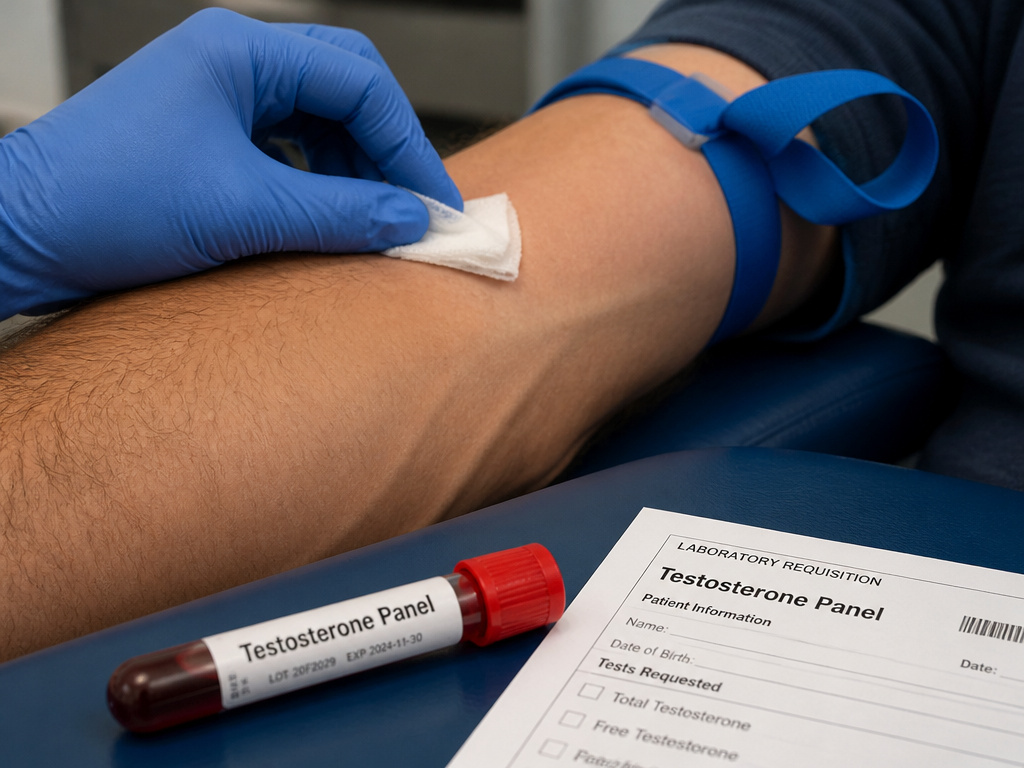
The protocol above addresses lifestyle-driven low libido. If you’ve given it a genuine 8-12 weeks with no change, it’s time to look deeper into the how to increase libido naturally in men. This isn’t failure; it’s smart troubleshooting.
The Hormone Check: Testosterone and Beyond
Low testosterone is a direct and common cause of low libido in men. The link between testosterone and sex drive is well-established. A clinically low testosterone level often triggers further investigation.
A blood test is the only way to know. Don’t guess. The European Association of Urology standards provide the clinical framework doctors use to diagnose conditions like hypogonadism, which combines low testosterone with specific symptoms like low libido.
Worth knowing before you start: Testosterone replacement therapy (TRT) can be effective for men with clinically low levels, but its effect on libido in men with normal levels is not well-supported. The research shows a clear benefit for men with clinically low testosterone, but the positive effect often disappears in trials with men who have normal testosterone.
Medications and Health Conditions
Many prescription medications list low libido as a side effect. Common culprits include certain antidepressants (SSRIs), blood pressure medications, and anti-anxiety drugs. The Cleveland Clinic advises that if a medication affects your sex drive, your healthcare provider may change the dose or recommend switching to a different one.
Underlying health conditions are major players:
- Diabetes and Heart Disease: Poor blood vessel health impacts sexual response.
- Obstructive Sleep Apnea: This directly crushes testosterone production. Treating the apnea can reverse the low testosterone.
- Depression and Anxiety: These mental health conditions chemically and psychologically dampen desire.
This is why working with a doctor is crucial. They can check for these underlying causes of low sex drive and help you manage them.
The Psychological and Relationship Layer

Libido doesn’t exist in a vacuum. It’s deeply connected to your mental state and the quality of your relationship.
Performance anxiety creates a vicious cycle: one unsatisfactory experience leads to worry about the next, which creates pressure that makes satisfaction less likely. It’s a self-fulfilling prophecy. Breaking that cycle often requires shifting focus away from performance and toward connection and sensation.
Communication is the tool here. The Cleveland Clinic notes that talking openly with your partner about needs and concerns can improve your sex life. Resentment, unresolved conflict, and poor emotional intimacy are libido killers. Sometimes, the best “libido supplement” is a honest conversation or working with a couples therapist to rebuild intimacy.
Herbal Remedies and Supplements
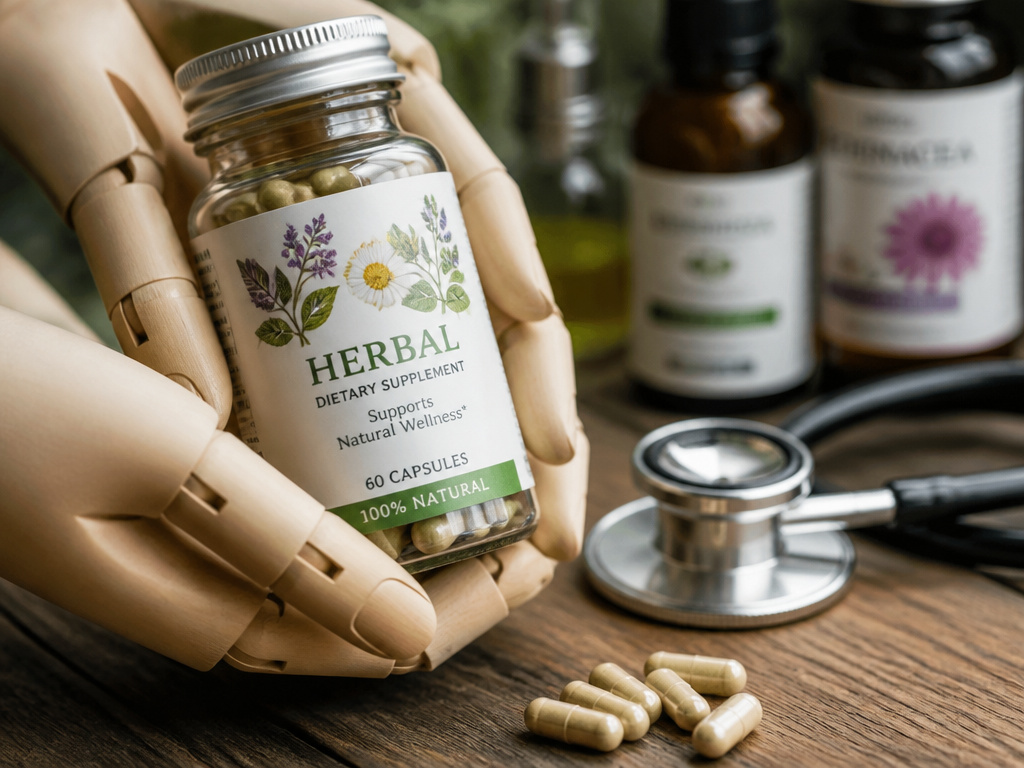
When looking for a natural boost, many men turn to herbs and supplements. The fact sheet does not provide specific information on these items. For practical guidance, focus on understanding that libido is complex and influenced by overall health. Before starting any supplement, consider consulting a healthcare provider who can help identify if your low desire is linked to factors like stress, hormone levels, or other health conditions. They can offer support and ensure any new regimen is safe and appropriate for your individual situation.
Maintaining a Healthy Weight
Your body weight plays a role in your sexual health. The fact sheet notes that making healthy changes like exercising and eating well can help increase libido. Carrying excess weight can contribute to conditions like diabetes or heart disease, which need to be well-managed with a doctor’s help, as they can affect your sex drive. Regular physical activity and a balanced diet support overall vitality and mood, which are foundational for maintaining desire. This approach is about supporting your body’s systems rather than seeking a quick fix.
Aging and Natural Decline
It’s natural for men to notice a gradual decrease in sex drive as they get older. The degree of this decline varies, but most men maintain at least some amount of sexual interest into their later decades. This change is often part of the normal aging process. However, a significant loss of drive can sometimes be related to underlying, treatable conditions like stress, fatigue, or hormonal changes. If you’re concerned, a doctor can help identify any causes and discuss available treatment options to support your sexual health.
Frequently Asked Questions
How can a man regain his libido?
Start with the foundational audit: sleep, stress, diet, and exercise. Give these changes 8-12 weeks. If no improvement, see a doctor for a check-up and blood test to rule out medical causes like low testosterone, medication side effects, or conditions like sleep apnea.
What is the biggest libido killer?
For otherwise healthy men, the combination of chronic sleep deprivation and unmanaged stress is the most common reversible libido killer. They directly suppress hormone production and keep your nervous system in a stressed state that is incompatible with sexual desire.
What is the best libido booster for men?
There is no single “best” booster that works for everyone. The most reliable, evidence-based approach is the foundational protocol: optimizing sleep, managing stress, exercising, and eating a balanced diet. For supplements, ashwagandha for stress or fenugreek may help some men, but they are supports, not magic pills.
When should I see a doctor about low libido?
See a doctor if: 1) Your low desire is causing you distress or hurting your relationship. 2) You have other symptoms like persistent fatigue, loss of muscle mass, or depression. 3) Lifestyle changes have made no difference after 3 months. A doctor can check for common libido causes like hormone imbalances or medication side effects.
Before You Go
The realistic path to a higher libido isn’t about finding one secret herb. It’s about systematically removing the barriers your body and mind have put up. Prioritize sleep like your sex drive depends on it, because it does. Manage stress as an essential maintenance task.
If you do nothing else, get the blood test. Knowing your testosterone level moves you from guessing to managing. A result within the normal range tells you to double down on lifestyle and psychology. A result indicating low testosterone is a clear signal to have a detailed conversation with a urologist or endocrinologist.
Finally, separate desire from performance in your mind. Chasing an erection won’t create desire, but reducing performance anxiety often allows natural desire to return. Start with the basics, be patient with the timeline, and let the evidence, not the marketing, lead your choices.
