
How Testosterone Affects Libido in Men: What to Do First
This post contains affiliate links. As an Amazon Associate, we earn from qualifying purchases.
Testosterone drives male sexual desire by acting on brain circuits that control motivation and reward, but its effect isn’t a simple on/off switch. The relationship is dose-dependent and highly individual, men with clinically low levels often see libido improvements with replacement therapy, while those with normal levels typically do not. The research shows a plateau, where benefits for sexual desire may emerge within 3 months but often don’t increase further with longer treatment.
That dose-dependence is the whole story. It explains why one man feels a dramatic shift with therapy and his friend, with a slightly higher starting level, notices nothing. It also explains why the scientific literature seems to contradict itself, with some rigorous reviews finding “no difference” and others showing clear benefits. This is a key part of understanding how testosterone affects libido in men.
What follows: a breakdown of the biological mechanism, the conflicting clinical trial data, the three factors that predict who will respond, and the lifestyle levers that often outweigh any supplement or prescription.
Key Takeaways
- Testosterone therapy improves libido in men with clinically low baseline levels (often below 12 nmol/L), but offers little to no benefit for men whose levels are already in the normal range.
- The most reliable benefits are for sexual desire, not necessarily erectile function. A major meta-analysis concluded testosterone may be more effective for desire than for erections in men with moderate or severe ED.
- Improvements often plateau after an initial period of therapy. An open-label extension of a 2016 trial showed that men who started therapy later caught up in libido scores to those on continuous treatment over time.
- There is no universal testosterone threshold for libido. The large TTrials found no single blood level below which all men experienced low sexual desire.
- Sleep, stress, and relationship factors are potent, immediate libido modulators. Ignoring them while chasing a testosterone solution is the most common mistake.
How Testosterone Signals Desire in the Brain
It doesn’t work by flipping a “horny” switch in your head. Testosterone influences libido through a network of brain regions involved in motivation, reward, and the processing of sexual stimuli.
The hormone crosses the blood-brain barrier and gets converted in neurons to estradiol, a form of estrogen, which is central to understanding how testosterone affects libido in men. This conversion in key areas like the hypothalamus and amygdala is critical. These areas are packed with androgen and estrogen receptors. When activated, they modulate the release of neurotransmitters like dopamine, the brain’s “wanting” chemical, and serotonin, which affects mood and satiety.
Think of it as tuning the sensitivity of your brain’s reward system to sexual cues. Higher available testosterone can lower the threshold for sexual motivation. A potential partner seems more attractive. Sexual thoughts arise more spontaneously. The mental effort required to initiate sex feels lower.
This mechanism is the core of how testosterone affects libido in men, making it one of the most testosterone-sensitive aspects of male biology. But it’s also why it’s so easily disrupted by other factors. Chronic stress floods the system with cortisol, which can blunt this reward pathway. Poor sleep disrupts the hormonal milieu and neurotransmitter balance. Depression directly affects the same brain circuits.
The part nobody mentions: This brain-level mechanism is why libido can tank even before blood testosterone levels dip below the lab’s “low” reference range. Your brain’s sensitivity to its available testosterone matters as much as the raw number.
The Evidence: Does Testosterone Therapy Boost Libido?
The clinical data paints a nuanced picture, which is why summaries of the science can seem to contradict each other. The key is in the details of who was studied and how low their levels were to start.
A 2023 Cochrane Systematic Review that included men with sexual dysfunction but not necessarily classic hypogonadism concluded testosterone replacement therapy showed no difference in erectile function or sexual quality of life compared to a placebo. However, other meta-analyses, such as Isidori et al. (2005), found that testosterone therapy improved sexual parameters in men with baseline levels below 12 nmol/L. This review had broad inclusion criteria and serves as a caution against over-prescribing to men whose sexual issues may have other causes.
However, earlier and more targeted meta-analyses tell a different story for men with clear biochemical deficiency. The Isidori et al. (2005) meta-analysis found that testosterone therapy improved sexual parameters in men with baseline levels below 12 nmol/L, but had no effect in men with normal levels. It also noted the beneficial effect of testosterone therapy on erectile function tends to decline over time.
Later, the Corona et al. (2014) meta-analysis suggested therapy may be more effective in improving sexual desire than erectile function in men with moderate or severe ED. This aligns with the brain-centric mechanism, desire is more directly hormonally modulated than the complex vascular process of an erection.
| Study / Analysis | Population Focus | Key Finding on Libido/Sexual Function |
|---|---|---|
| Cochrane Review (2023) | Men with sexual dysfunction (broad) | Found no difference vs. Placebo in erectile function or sexual quality of life. |
| Isidori et al. (2005) Meta-Analysis | Men grouped by baseline testosterone | Improved sexual parameters in men with baseline T <12 nmol/L; no effect in eugonadal men. |
| Corona et al. (2014) Meta-Analysis | Men with erectile dysfunction | May be more effective for improving sexual desire than erectile function itself. |
| Brock et al. (2016) Trial | Hypogonadal men (mean age 55) | Testosterone solution 2% improved sex drive and energy. A lower starting T correlated with greater improvement. |
The Brock et al. (2016) trial provided a clear signal: a lower starting testosterone level and a higher achieved level on therapy correlated with greater libido improvement. This is the dose-response relationship in action. Their open-label extension revealed another critical insight, the plateau effect. Men who started therapy after a placebo phase caught up in libido scores to those on continuous treatment by 9 months, suggesting most of the benefit manifests in the first several months.
The Threshold Debate: Is There a “Low T” Number for Libido?
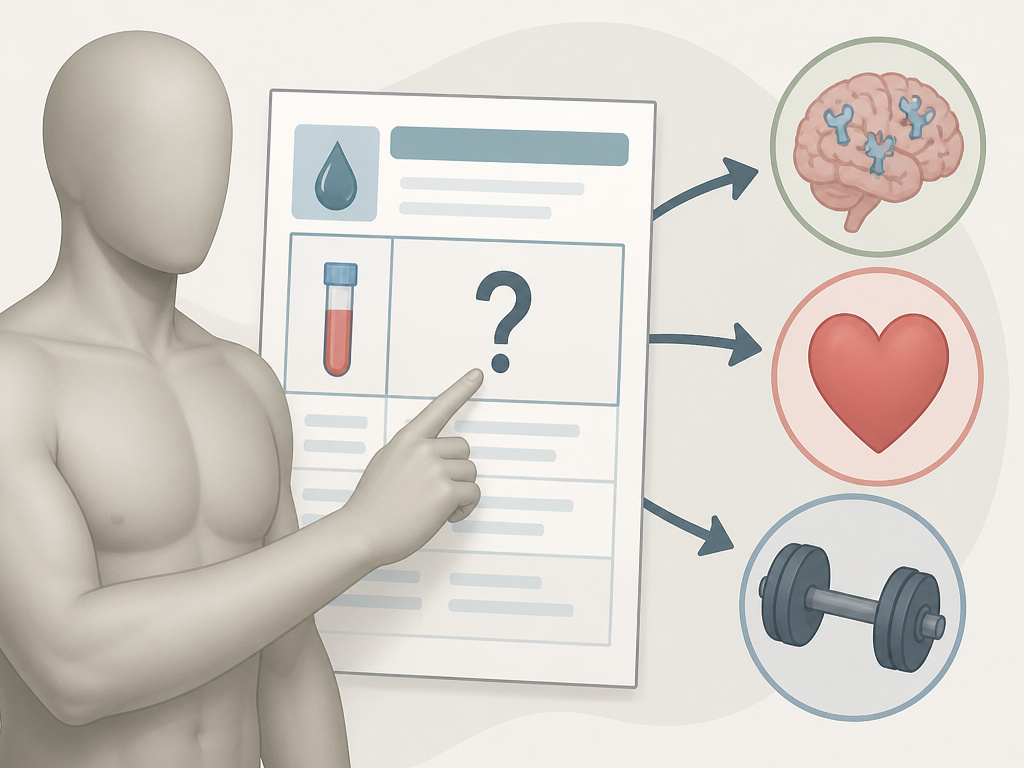
You want a simple answer. A number on a lab report that says, “Below this, your libido is suffering.” The research refuses to give you one.
The large Testosterone Trials (TTrials) specifically looked for this threshold and found none. There was no single testosterone level below which libido was universally affected for all men. This makes perfect sense when you consider individual variation in brain receptor sensitivity, lifestyle, and relationship health.
Yet, the Isidori et al. (2005) meta-analysis concluded that a level of 12 nmol/L did differentiate treatment response. This isn’t a contradiction; it’s a distinction between a population-wide trigger and a therapeutic guide. While not every man under 12 nmol/L will have low libido, those who do have low libido and are under that level are the most likely to see improvement from therapy.
Where this goes sideways: Using a single borderline lab value to explain away libido problems caused by sleep apnea, marital stress, or untreated anxiety. The number gives a clue, not a verdict.
This is why diagnosing low testosterone symptoms requires looking at the whole picture. A score on the Aging Males’ Symptoms (AMS) scale or a detailed sexual function questionnaire like the Derogatis Interview for Sexual Functioning (DISF-M-II) often tells you more than the lab value alone. The link between low testosterone and erectile dysfunction is also weaker than for libido; vascular health usually plays a larger role.
Who Actually Responds to Testosterone Therapy for Libido?
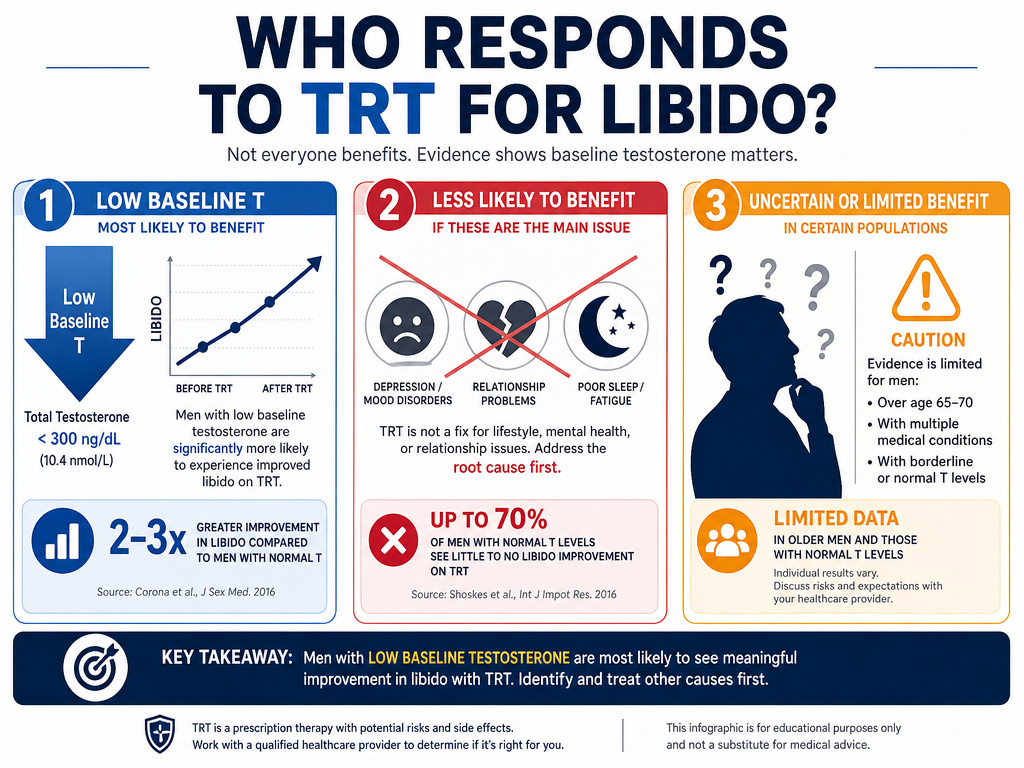
If you’re considering this path, three factors heavily predict whether you’ll notice a change in your drive.
1. Your Baseline Testosterone Level
This is the strongest predictor. The evidence is consistent: men with the lowest starting levels see the greatest gains. The studies that show positive effects typically enrolled men with levels below 300 ng/dL or used cut-offs like 12 nmol/L. If your level is in the low-normal range, the odds of a meaningful libido boost from therapy drop significantly. Your first step should always be understanding your own testosterone levels as you age.
2. The Presence of Other Libido-Killing Factors
Testosterone therapy is not a bulldozer. It can’t clear a path through severe depression, a dead bedroom dynamic, or chronic sleep deprivation. In fact, these factors can create a state of low desire that looks hormonally driven but isn’t. I learned this years ago trying to supplement my way out of a low-drive phase during a brutal work stretch. The pills did nothing. Fixing my sleep did everything.
3. Your Age and Overall Health Profile
The American College of Physicians clinical guideline focuses on “age-related low testosterone” and offers only a conditional recommendation for therapy, emphasizing discussion of uncertain benefits and potential harms. Older men with multiple health conditions may see less pronounced libido effects and face higher risks. The testosterone and mood connection also matters, if low mood is a primary symptom, addressing it directly may be more effective.
Easy to miss: The libido drop on TRT some men report. It’s not common, but it happens. Sometimes it’s due to estrogen levels rising too high, other times it’s an initial adjustment period. It’s a reminder that the system is complex and adding hormone isn’t always additive.
The Non-Hormonal Libido Toolkit (What to Do First)
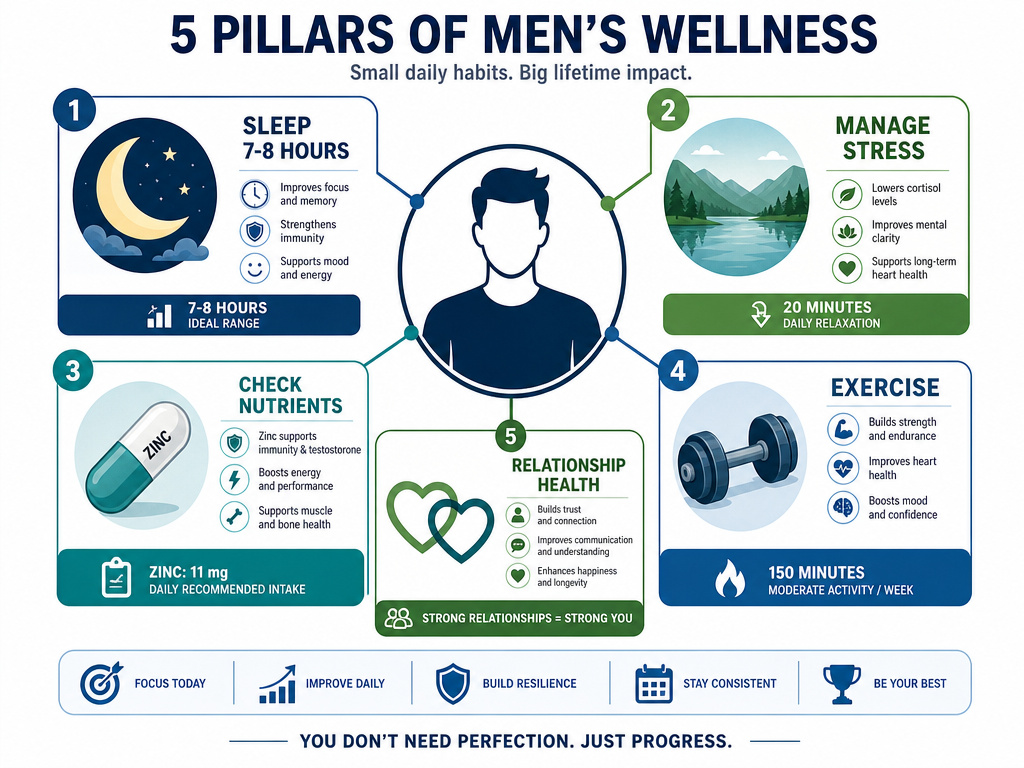
Before you look at a prescription or a bottle of supplements, run through this list. These are the levers that change how your brain uses the testosterone you already have.
- Sleep for 7-8 Hours, Consistently. This isn’t soft advice. Sleep deprivation directly lowers testosterone and increases cortisol. It blunts dopamine sensitivity. I tracked morning erections, a rough proxy for nocturnal T surges, and watched them vanish on sub-6-hour nights and return within a week of proper sleep. Your brain’s hormonal receptors refresh during deep sleep.
- Manage Chronic Stress. Constant anxiety shifts your nervous system into survival mode, which sidelines sexual motivation. Techniques matter less than consistency, daily walks, meditation, or simply setting work boundaries.
- Check for Nutrient Deficiencies. Severe deficiencies in zinc, vitamin D, or magnesium can disrupt hormonal pathways. Correcting a proven deficiency can help. Don’t mega-dose; just get to normal levels. This is a fix, not a boost.
- Prioritize Cardio and Strength Training. Exercise improves insulin sensitivity, reduces stress, and can boost endogenous testosterone, especially in sedentary men. The effect on libido is often more direct and immediate than any minor hormonal bump.
- Address Relationship and Psychological Health. Performance anxiety, resentment, and lack of emotional connection are powerful desire suppressants. No hormone can override them.
Many of these are the common causes of low libido that get overlooked in the hunt for a hormonal villain. They are also the foundation of any effective approach to increase libido naturally.
Frequently Asked Questions
Can you have normal testosterone but low libido?
Absolutely. Libido is multi-factorial. Normal testosterone levels rule out a classic hormonal deficiency, but desire can be suppressed by psychological factors (stress, anxiety, depression), relational issues, medications (like SSRIs), poor sleep, and other medical conditions. The brain’s sensitivity to testosterone also varies from person to person.
How long does it take for testosterone therapy to improve libido?
If it’s going to work, changes in sexual desire are often among the first noticeable effects. Some men report a difference within weeks, but clinical trials suggest the main benefit manifests within an initial period. The data shows a plateau effect, meaning libido scores often don’t continue to climb significantly after that initial period.
Does higher testosterone always mean higher libido?
No. There’s a ceiling effect. Once testosterone levels are well into the normal physiological range, increasing them further, whether naturally or through therapy, does not produce a corresponding increase in libido. The relationship is not linear. Excessively high levels can even be counterproductive, potentially leading to irritability or aromatization into estrogen, which can lower drive.
What’s the difference between libido and erectile function?
Libido is sexual desire, the interest in and motivation for sexual activity. Erectile function is the physical ability to achieve and maintain an erection sufficient for sex. Testosterone influences both, but it is more directly and strongly tied to libido. Erectile function relies more on vascular health, nerve function, and psychological factors. This is why a man can have high libido but ED, or low libido with normal erections.
Before You Go
The takeaway isn’t that testosterone is unimportant for male libido. It’s essential. The takeaway is that its role is contextual. It works within a system.
If you have clear symptoms of low T, persistently low desire, fatigue, loss of morning erections, and a blood test confirms levels are clinically low, then therapy is a rational discussion to have with your doctor, guided by the American College of Physicians clinical guideline. Understand the goal is to restore normal function, not to chase a superhuman sex drive.
If your levels are borderline or normal, look harder at the other gears in the machine. The natural ways to increase libido centered on sleep, stress, and fitness are almost certainly where your effort is better spent. They improve everything testosterone was meant to support in the first place.
Chasing a higher number on a lab report is rarely the answer. Fixing the environment that allows that hormone to work? That almost always is.
