
Hypogonadism Treatment Options for Men: How to Choose
This post contains affiliate links. As an Amazon Associate, we earn from qualifying purchases.
Hypogonadism treatment options for men center on testosterone replacement therapy (TRT), with formulations including injections, gels, and other delivery methods. The goal is to restore serum testosterone to the mid-normal range (per the Endocrine Society) or the middle tertile of the normal range (per the AUA) to resolve symptoms like low libido and fatigue. Treatment choice depends on age, lifestyle, fertility goals, and specific medical guidelines, which sometimes disagree on the best starting point.
The path from a lab result to a hypogonadism treatment options for men plan has more forks than most guides show. A number on a page is one thing; choosing between a daily gel, a bi-weekly shot, or a fertility-preserving pill is another. Each option carries a different rhythm of life, a distinct side-effect profile, and a practical cost that insurance may or may not cover.
What follows is a map of those forks. This section details the specific doses and schedules from the major clinical guidelines, compares the real-world trade-offs of each TRT type, and examines the alternatives when preserving fertility is the priority. By the end, you’ll have the context to have a more informed conversation with your doctor.
Key Takeaways
- Diagnosis requires two low morning testosterone readings below 12 nmol/L alongside consistent symptoms, a single borderline test isn’t enough to start therapy.
- Injectable testosterone undecanoate (like Aveed) is dosed at 750 mg initially, at 4 weeks, then every 10 weeks, offering the longest interval between shots, while enanthate/cypionate shots are given every 1-2 weeks.
- Transdermal gels like AndroGel 1.62% are applied daily at doses from 20.25 mg to 81 mg, but risk transfer to others if not managed carefully.
- Fertility is often suppressed by TRT; options like clomiphene or hCG exist but lack strong randomized trial evidence for safety and efficacy per the Endocrine Society.
- Monitoring during TRT is essential, with checks for prostate health (PSA), red blood cell count (hematocrit), and testosterone levels every 3-6 months initially.
Who Actually Qualifies for Hypogonadism Treatment?
A diagnosis of male hypogonadism isn’t handed out based on a hunch or a single off-kilter lab result. The Fifth International Consultation on Sexual Medicine sets a clear bar: treatment is for symptomatic men with total testosterone levels consistently lower than 12 nmol/L. The keyword is “symptomatic.” You need the classic signs, persistent low libido, unexplained fatigue, loss of muscle mass, depressed mood, paired with the hard biochemical evidence.
The diagnostic threshold for therapy is symptomatic men with total testosterone levels lower than 12 nmol/L, according to the Fifth International Consultation on Sexual Medicine.
This is where a proper diagnosing hypogonadism process matters. You need two separate blood draws, taken in the morning when testosterone peaks. Labs like Quest Diagnostics or LabCorp use mass spectrometry, the gold-standard method, to get an accurate read. If your numbers are borderline but you feel fine, the current guidelines don’t support treatment. The goal is to fix a problem, not chase a number.
Who doesn’t qualify? The rules are strict for safety. The Endocrine Society lists absolute contraindications. If your prostate-specific antigen (PSA) level is above 4 ng/mL, or above 3 ng/mL if you’re at increased risk (like African American men or those with a family history of prostate cancer), TRT is off the table until a urologist clears you. The same goes if you’ve had a heart attack or stroke within the last six months. This isn’t scare talk; it’s a documented risk threshold.
Primary means the testicles aren’t working; secondary points to a pituitary or hypothalamic issue. That distinction changes everything. A young man with secondary hypogonadism might be a candidate for fertility-preserving drugs, while an older man with primary failure is looking squarely at lifelong TRT. Don’t skip this differentiation.
What Are the Main Testosterone Replacement Therapy (TRT) Options?
You’ve qualified for treatment. Now you face a menu of hypogonadism treatment options for men delivery methods, each with its own rhythm, hassle factor, and physiological curve. This isn’t a one-size-fits-all choice. Your daily routine, comfort with needles, and even your relationship status can steer the decision.
The big split is between injections and transdermal methods. Here’s how the major guidelines break down the options, with their specific dosing schedules pulled directly from the clinical literature.
| Formulation | Standard Dosing Schedule | Key Consideration |
|---|---|---|
| Testosterone Enanthate/Cypionate (Injection) | 150–200 mg every 2 weeks or 75–100 mg/week | Levels peak supraphysiologically, then can dip to hypogonadal range before next dose. |
| Testosterone Undecanoate (Injection – e.g., Aveed) | 750 mg at start, 4 weeks, then every 10 weeks | Requires a 3-4 mL deep intramuscular injection; offers stable, long-term levels. |
| Transdermal Gel 1% (e.g., AndroGel 1%) | 50–100 mg applied daily | Risk of transfer to partners/children; must dry completely and cover application site. |
| Transdermal Gel 1.62% (e.g., AndroGel 1.62%) | 20.25–81 mg applied daily | Lower volume than 1% gel; same transfer risks apply. |
| Buccal Tablet (Striant) | 30 mg tablet applied to gum twice daily | Gum irritation occurs in about 16% of users; must avoid eating/drinking for an hour after. |
| Nasal Gel (Natesto) | 11 mg administered two or three times daily | Avoids skin transfer; can cause nasal irritation or runny nose. |
The Injection Route: Peaks, Valleys, and Long Intervals
Injections are the most common TRT method worldwide. Testosterone enanthate or cypionate is the workhorse. You draw the oil, inject it into muscle, and you’re done for a week or two. The pharmacokinetic profile is the trade-off: after a single shot, levels spike supraphysiologically, then decline into the hypogonadal range by the end of the dosing period. Some men feel that rollercoaster, a burst of energy days 1-3, then a slump before the next shot. Splitting a 200 mg bi-weekly dose into 100 mg weekly shots smooths that curve considerably.
Testosterone undecanoate (Aveed) is the long-distance runner. The protocol is 750 mg shots at initiation, four weeks later, then every ten weeks. That’s a 3-4 mL volume of oil, so it’s a deeper, slower injection. The benefit is remarkable stability, no weekly peaks and troughs. The drawback is commitment: if you have a severe reaction, that large dose is in you for months.
Where this goes sideways: Self-adjusting injection dose or frequency without lab work. Doubling up because you “feel low” leads to polycythemia (dangerously high red blood cells) and skyrocketing estrogen conversion within 4-6 weeks.
The Transdermal Route: Daily Ritual and Transfer Risk
Gels are the most popular option in the US for a reason: no needles, and a steady daily dose mimics the body’s natural rhythm. You squeeze a packet or pump onto your shoulder, upper arm, or thigh, rub it in, and let it dry. Simple.
But the devil is in the details. Transfer risk is real. If the gel isn’t completely dry, or if you sweat heavily, you can expose a partner or child through skin contact. That can cause virilization in women and precocious puberty in kids. The rule is simple: apply it, let it dry for 5-10 minutes, put on a shirt, and wash your hands. No exceptions.
The dosing can be fiddly. You might start at 50 mg of a 1% gel. Four weeks later, a blood test shows you’re still low. Your doctor increases it to 75 mg. It’s a slower titration process than with injections. Absorption also varies wildly based on skin thickness, showering, and even how much you sweat that day.
The Less Common Options: Buccal, Nasal, and Pellets
Buccal tablets (Striant) stick to your gum and release testosterone directly into the bloodstream. The 30 mg twice-daily dose avoids first-pass liver metabolism. The catch is the 16% rate of gum-related adverse events, irritation, swelling, a bad taste. You also can’t eat, drink, or chew gum for an hour after application.
Nasal gel (Natesto) is applied two or three times daily. It bypasses skin transfer and the liver. Side effects are mostly local: nasal discomfort, rhinorrhea (runny nose), and epistaxis (nosebleeds) in some users. The need for multiple daily doses is a compliance hurdle for some.
Testosterone pellets (like Testopel) are a minor surgical procedure. A doctor implants rice-sized pellets under the skin of your buttock every 3-6 months. They provide a steady release. The downsides are the minor procedure, risk of infection or extrusion (the pellet pushing out), and the inability to quickly stop therapy if needed.
The VA clinical recommendations for 2026 state a primary preference for intramuscular formulations when starting therapy. Meanwhile, the Italian SIAMS/SIE Guidelines (2022) suggest gels for older men and long-acting injectables for younger men. This is a real disagreement in the source material. Your doctor’s experience and your personal context will decide.
How Do You Choose the Right TRT Formulation?
With the options laid out, the choice feels overwhelming. Break it down with a decision matrix that weighs four practical factors: lifestyle, side-effect tolerance, fertility goals, and cost. A 25-year-old trying to preserve sperm count has a completely different calculus than a 60-year-old with stable cardiovascular health.
| Consideration | Best Option(s) | Reason |
|---|---|---|
| Minimal Daily Hassle | Testosterone Undecanoate Injection | Only 5 shots per year. Set a calendar reminder and forget it. |
| Fear of Needles / Prefer Daily Routine | Transdermal Gel | No needles. Application becomes a quick morning habit like brushing teeth. |
| Must Preserve Fertility | Avoid TRT initially. Consider Clomiphene or hCG. | TRT shuts down natural sperm production. Alternative therapies may stimulate it. |
| Concern About Transfer to Family | Injection, Nasal Gel, Buccal Tablet | No risk of accidental exposure through skin contact. |
| Stable, Non-Fluctuating Levels | Testosterone Undecanoate, Pellets | Steady-state release avoids the weekly peak-and-trough of shorter esters. |
| Lowest Out-of-Pocket Cost | Testosterone Cypionate Injection | Often the least expensive, especially with generic availability and insurance. |
I learned this the hard way with lifestyle mismatch. I once recommended a gel to a contractor who showered at unpredictable times and sweated heavily on site. His levels were all over the place. We switched to injections, and his stability, and mood, improved within two cycles.
Cost and insurance are the silent dictators. A vial of generic testosterone cypionate can be under $50 for a 10-week supply with a GoodRx coupon. Brand-name gels or long-acting injectables like Aveed can run hundreds per dose, and insurance prior authorizations are a battle. You must call your insurance provider and ask for their formulary coverage of “testosterone replacement therapy” for the specific code. Don’t guess.
Fertility demands a separate plan. If having children is a priority within the next few years, standard TRT is likely the wrong first step. It suppresses the hypothalamic-pituitary-gonadal axis, shrinking testicular size and dropping sperm counts to near zero. The PMC recommendations on hypogonadism diagnosis and other sources note these options, but the Endocrine Society guideline is clear: neither the efficacy nor safety of clomiphene has been demonstrated in randomized trials. That’s a gap in the evidence every patient should know.
What Are the Non-TRT and Alternative Treatment Options?
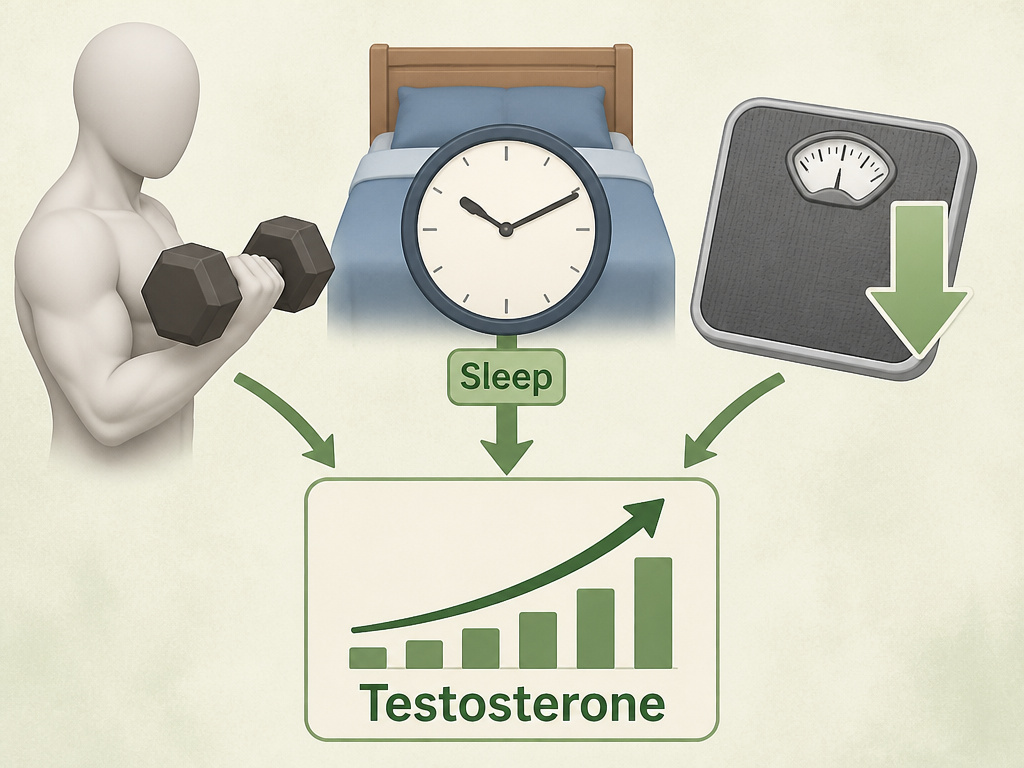
Testosterone replacement isn’t the only path. For men with secondary hypogonadism, or those with borderline levels driven by lifestyle, other approaches can work. The key is matching the tool to the cause.
First, address the reversible. The Italian SIAMS/SIE guidelines explicitly say to consider TRT only when a reversal of the condition cannot be expected in a reasonable time-frame. What’s reversible? Obesity, excessive alcohol use, poor sleep, and certain medications (like opioids) can all suppress testosterone. Fixing those isn’t “alternative” medicine, it’s first-line medicine.
- Weight Loss: This is the single most effective non-pharmacological intervention. Weight loss can increase total testosterone levels. The mechanism is direct: fat tissue contains aromatase, which converts testosterone to estrogen.
- Strength Training: Compound lifts like squats and deadlifts provoke a significant acute testosterone response. The long-term effect on baseline levels is modest but real, and the muscle-building benefits improve insulin sensitivity, which further supports hormonal health.
- Sleep Optimization: Chronic sleep restriction reliably lowers testosterone. It’s not about one bad night; it’s the cumulative debt. Prioritizing 7-8 hours of quality sleep is a fundamental requirement.
- Vitamin D & Zinc Correction: These are supports, not cures. If you’re deficient, correcting a vitamin D deficiency can support hormonal function. Taking excessive zinc when you’re already sufficient does nothing but risk copper deficiency.
For secondary hypogonadism where fertility is desired, medications like clomiphene citrate or aromatase inhibitors (e.g., anastrozole) are used off-label. They work by stimulating the pituitary to produce more LH and FSH, which tells the testes to make more testosterone and sperm. The AUA guideline on testosterone deficiency includes them in the discussion, but the evidence grade is lower than for TRT. They require a specialist’s oversight.
The bottom line on alternatives: They are not weaker versions of TRT. They are different tools for different problems. For confirmed, symptomatic hypogonadism with an irreversible cause, they are adjuncts at best, not replacements for definitive treatment.
Managing Side Effects and What to Expect
Starting TRT isn’t like flipping a light switch. Your body needs 3-6 weeks to adjust to the new hormonal milieu. Some changes are positive and expected; others are side effects that need monitoring and management. Knowing the difference keeps you out of trouble.
The most common side effect is erythrocytosis, an increase in red blood cells (hematocrit). Testosterone stimulates erythropoiesis. For most, it’s mild and stabilizes. For some, hematocrit climbs above 54%, increasing blood viscosity and stroke risk. The fix is often therapeutic phlebotomy (donating blood) or a slight dose reduction. This is why monitoring every 3-6 months is not a suggestion.
Estrogen-related effects come next. Some testosterone aromatizes into estradiol. High estrogen can cause gynecomastia (breast tissue growth), water retention, and emotional lability. Not everyone needs an aromatase inhibitor. The first step is often optimizing the testosterone dose itself. If your T is in the supraphysiological range, your estrogen will be high. Lower the T dose into the mid-normal range first, then retest.
Common mistake: Treating high estrogen before confirming high testosterone. If your total T is 1100 ng/dL and your estradiol is 50 pg/mL, the problem is the T dose, not the estrogen. Lower the shot, wait 6 weeks, and retest.
Testicular atrophy is almost universal with TRT. The external testosterone signal tells your brain to stop producing LH, which tells the testes to stop working. They shrink, often by about 30-50% in volume. It’s not harmful, but it is noticeable and can bother some men. This is also why fertility plummets. If testicular size or fertility is a concern, that’s a discussion to have before starting. Adding low-dose hCG can maintain testicular size and function, but it adds complexity and cost.
Acne and oilier skin are common in the first few months, especially with injections that cause higher peaks. It usually subsides as the body adapts. Sleep apnea can worsen in predisposed individuals, as testosterone can increase red blood cell mass and potentially affect upper airway muscle function.
The 6-Week Checkpoint: This is your first reality check. You get new labs drawn to see where your total testosterone, estradiol, and hematocrit land. Don’t expect to feel like a superhero yet. The first noticeable changes are often improved sleep, a slight mood lift, and maybe a return of morning erections. The major benefits, libido, energy, body composition changes, take 3-6 months.
Monitoring, Safety, and Long-Term Management

TRT is a marathon, not a sprint. The initial prescription is just the starting line. Long-term management is a cycle of monitoring, adjusting, and watching for late-stage risks. This is where a diligent doctor earns their keep.
The monitoring schedule is standardized:
- 3 Months: Check total testosterone, estradiol (E2), PSA, and complete blood count (CBC for hematocrit). This confirms you’re in the therapeutic range and flags early side effects.
- 6 Months & 12 Months: Repeat the same panel. If stable, you can move to annual checks.
- Annual: Full panel plus a digital rectal exam (DRE) for prostate screening in men over 40, or earlier if high-risk.
The treatment target is specific. The Endocrine Society recommends aiming for the mid-normal range, while the AUA Guideline recommends aiming for the middle tertile of the normal reference range. For many labs, that’s a total testosterone in the mid-normal range. Don’t chase the top of the range. Higher levels don’t mean more benefits; they mean more side effects.
Prostate monitoring is mandatory. The rule is simple: if PSA rises by more than 1.4 ng/mL within any 12-month period, or if the velocity is concerning, therapy is paused and a urology referral is made. This is a hard stop. The Lancet review of male hypogonadism and other major reviews confirm that while TRT doesn’t cause prostate cancer, it can fuel an existing, undiagnosed one. Screening is how you avoid that.
Cardiovascular risk is the other long-term conversation. The data is mixed. Some studies show improved cardiovascular markers in hypogonadal men treated with TRT; others note increased risk in certain populations. The consensus: men with unstable heart disease or a recent cardiovascular event should not start TRT. For others, the benefits of treating genuine hypogonadism outweigh the theoretical risks, but regular monitoring of blood pressure and lipids is part of the deal.
TL;DR: Get the labs on schedule, keep your T in the middle of the range, and never ignore a rising PSA or hematocrit. That’s the management protocol that keeps therapy safe for decades.
Surgical Options for Hypogonadism
Surgery is not a first-line treatment for most men with hypogonadism. The primary role of surgical intervention, such as a varicocelectomy, is to address a specific, reversible physical cause of low testosterone, like a varicocele that impairs testicular function. This procedure aims to improve blood flow and potentially restore natural hormone production. It is typically considered for younger men, especially when fertility is a concern, as it may improve semen parameters alongside testosterone levels. The decision for surgery requires a thorough urological evaluation to confirm it is the likely source of the problem, as not all cases of hypogonadism have a correctable anatomical cause.
How Testosterone Works in the Body
Testosterone is the primary male sex hormone, and it acts by binding to androgen receptors in cells throughout the body. Once bound, it directly influences gene expression, turning various cellular functions on or off. This mechanism drives the development and maintenance of male characteristics. It promotes muscle protein synthesis and bone density, regulates fat distribution, and is crucial for the production of red blood cells. In the brain, it affects mood, cognitive function, and libido. The hormone is also essential for sperm production. For treatment to be effective, testosterone levels must be sustained within a target range to consistently activate these pathways.
Frequently Asked Questions
What is the most effective treatment for hypogonadism?
The most effective treatment is the one that safely restores your testosterone to the mid-normal range and resolves your symptoms. For most men with classic, irreversible primary hypogonadism, that is testosterone replacement therapy (TRT). Among TRT options, long-acting injections like testosterone undecanoate offer the most stable levels and convenience, while gels provide a daily option for those averse to needles. Effectiveness is defined by symptom relief and lab values, not by the type of delivery.
How small do testicles get on TRT?
Testicular volume typically decreases after several months on TRT. This atrophy happens because the external testosterone signal shuts down the pituitary’s production of luteinizing hormone (LH), which normally keeps the testes stimulated. The shrinkage is generally not painful or harmful, but it is permanent for as long as you are on TRT. If maintaining testicular size or fertility is important, discuss adding hCG to your regimen with your doctor before starting.
Can hypogonadism go away on its own?
It depends on the cause. Secondary hypogonadism caused by reversible factors like obesity, severe stress, poor sleep, or certain medications can often be corrected by addressing the root cause. Weight loss, improved sleep, and stopping offending drugs can normalize testosterone levels. Primary hypogonadism, where the testicles themselves are damaged, is usually permanent and requires lifelong treatment. A diagnosis to determine the type is the first step.
Are there natural cures for hypogonadism?
There are no “cures” for permanent primary hypogonadism outside of replacement therapy. However, for men with borderline low T driven by lifestyle, natural interventions can be highly effective. Significant weight loss, consistent strength training, optimizing sleep to 7-8 hours per night, and correcting nutrient deficiencies (like vitamin D and zinc) can raise testosterone levels meaningfully. These are considered first-line approaches for functional, reversible hypogonadism before medication is discussed.
Before You Go
Start with a rigorous diagnosis, two morning tests, with symptoms. Understand the difference between primary and secondary hypogonadism, as it dictates your options. If TRT is indicated, choose a formulation that fits your life, not the other way around.
This is a long-term partnership with your doctor. Bring this guide, ask about the guideline disagreements on starting therapy, and be prepared for a 3-6 month adjustment period. The goal isn’t a number on a lab report; it’s the resolution of the fatigue, low drive, and fog that brought you in. With the right approach, that’s an achievable target.
