
Does Testosterone Deepen Your Voice in Adulthood?
This post contains affiliate links. As an Amazon Associate, we earn from qualifying purchases.
The effect of testosterone on an adult voice is not universal. For transgender men (FtM) undergoing hormone therapy, it typically triggers physical thickening of the vocal folds and substantial voice deepening. In contrast, for cisgender women receiving therapeutic testosterone, a peer-reviewed study found no significant voice lowering despite high serum levels for over a year. The outcome hinges entirely on the biological starting point and the vocal cords’ capacity to remodel in adulthood.
That capacity to remodel is the whole game. Vocal folds aren’t inert; they’re living tissue responsive to hormonal signals, but their plasticity has limits set long before adulthood.
What follows is a breakdown of the vocal mechanism, the starkly different outcomes for cisgender and transgender individuals based on the latest studies, a realistic timeline of changes, and what to do if the voice doesn’t change as expected.
Key Takeaways
- Voice deepening requires vocal fold thickening, a structural change testosterone can induce if the tissue is receptive.
- In cisgender women, therapeutic testosterone (mean 471.6 ng/dL) caused no significant voice lowering in a 12-month controlled study.
- For transgender men (FtM), testosterone typically causes a substantial and significant decrease in fundamental frequency, lowering voice pitch.
- Results are highly individual; a minority of trans men report insufficient voice virilization despite therapy.
- Vocal training is a proven tool to manage changes and improve control, regardless of hormonal intervention.
How Testosterone Changes the Voice (The Mechanism)
Testosterone doesn’t magically lower pitch. It acts as a chemical instruction for growth. In receptive tissue, it binds to androgen receptors and promotes protein synthesis, leading to cellular growth and thickening.
The vocal folds, often called vocal cords, are two bands of muscle and ligament covered in mucous membrane. Their mass, length, and tension determine the fundamental frequency (F0), what we hear as pitch. Thicker, heavier folds vibrate more slowly, producing a lower pitch.
This process of androgen-induced vocal fold thickening is a direct tissue response. For a voice to deepen in adulthood, the laryngeal structures must still possess the cellular machinery to execute this growth instruction, which isn’t a given.
The voice you have today is the product of your first puberty. During male adolescence, a surge in testosterone causes the larynx (voice box) to grow larger and the vocal folds to lengthen and thicken dramatically, that’s the voice “breaking.” For individuals who went through estrogen-dominant puberty, the larynx and vocal folds developed under a different hormonal blueprint, resulting in a higher baseline pitch.
The central question for adulthood is: does testosterone deepen your voice in adulthood by reintroducing that “male-pattern” growth instruction successfully? The answer isn’t yes or no. It’s “it depends on your starting point.”
The Critical Difference: Cisgender Women vs. Transgender Men
This is where the research shows a clear and definitive split. The effect of testosterone on an adult voice is not universal, which is precisely why the does testosterone deepen your voice in adulthood question is so complex; it is context-specific to the individual’s hormonal and developmental history.
For cisgender women receiving testosterone therapy, for conditions like menopausal symptom management, the evidence shows no voice-deepening effect. A pivotal study published in Climacteric followed ten women receiving subcutaneous testosterone implants, maintaining a mean serum level of 471.6 ng/dL for over a year. This is a high, supraphysiological dose.
The researchers found no significant change in median fundamental speaking frequency at 3, 6, or 12 months. The mean F0 at baseline was 177.9 Hz. At 12 months, it was 181.4 Hz, a statistically insignificant difference. The NIH PMC study on testosterone therapy concluded therapeutic levels had “no adverse affect on the female voice including lowering or deepening.”
The biological reason is likely that the vocal fold tissue in adult cisgender women has a low density of androgen receptors or has lost the plasticity to remodel significantly in response to testosterone. The role of testosterone here is not to re-engineer anatomy but to support other systemic functions.
For transgender men (FtM), the outcome is categorically different. Here, testosterone therapy is part of a gender-affirming process, and the voice change is often a desired effect. Studies document substantial, permanent deepening.
| Aspect | Cisgender Women (Therapeutic Testosterone) | Transgender Men (Gender-Affirming Testosterone) |
|---|---|---|
| Typical Voice Change | No significant lowering | Substantial lowering (6-8 semitones) |
| Study Findings | Mean F0 ~177.9 Hz, unchanged at 12 months | Mean F0 drops substantially. |
| Primary Reason | Low vocal fold tissue plasticity/androgen response | Vocal folds retain capacity for androgen-induced growth |
| Source | Climacteric (2016) | Multiple PubMed & Journal of Voice studies |
The testosterone therapy for transgender men process capitalizes on a different biological potential.
What a Realistic Timeline for Voice Change Looks Like
If you are a transgender man starting hormone therapy, when can you expect your voice to change? The process is more gradual than in male puberty, but it follows a general pattern.
Most of the significant drop happens in the first 6 to 9 months. You might notice the first signs, cracking, hoarseness, a feeling of vocal fatigue, within 4 to 8 weeks. This isn’t your voice deepening yet; it’s the vocal folds beginning to swell and adjust, a period of instability.
Where this goes sideways: Expecting a linear, steady drop. The change happens in jumps and plateaus, with periods of vocal instability (cracking) in between. Pushing your voice during these unstable phases can strain it.
By the 3-month mark, measurable lowering is often present.
Here’s a breakdown of the phases:
- Weeks 1-8 (Initial Instability): Vocal folds swell. Voice may feel tight, crack easily, or tire quickly. Hydrate excessively.
- Months 3-6 (Major Shift): Measurable pitch drop occurs. The most dramatic semitone decrease often happens here.
- Months 9-12 (Stabilization): Pitch settles. Vocal control improves as you learn to use your “new” instrument.
- 12+ Months (Refinement): Pitch is largely permanent. Further changes are subtle, related to vocal technique and muscular control.
This timeline is a composite from longitudinal studies. Your individual path may be faster or slower. The age-related changes in your connective tissue can also influence the speed and extent of modification.
Other Factors That Influence Your Vocal Outcome

Testosterone level is not the master dial for voice depth. Once a threshold is reached to initiate changes, higher doses don’t equate to a deeper voice. The PubMed vocal fold thickening research found that achieved vocal pitch did not correlate with serum testosterone concentrations.
Genetics are a major player. Your inherent vocal fold structure and density of androgen receptors are inherited. This is why two people on identical protocols can have different outcomes.
Vocal habits matter tremendously. Speaking from the chest, practicing a relaxed jaw, and avoiding strain protect your vocal folds during their vulnerable transition period. A speech-language pathologist (SLP) specializing in transgender voice can provide invaluable guidance.
Common mistake: Assuming voice change is purely hormonal and passive. How you use your voice during transition actively shapes the final quality, strength, and health of the outcome.
Lifestyle factors like hydration, avoiding smoking, and managing reflux (which can irritate the vocal folds) are not optional supporting acts, they are central to a healthy transition.
When Testosterone Isn’t Enough: Voice Therapy and Other Options
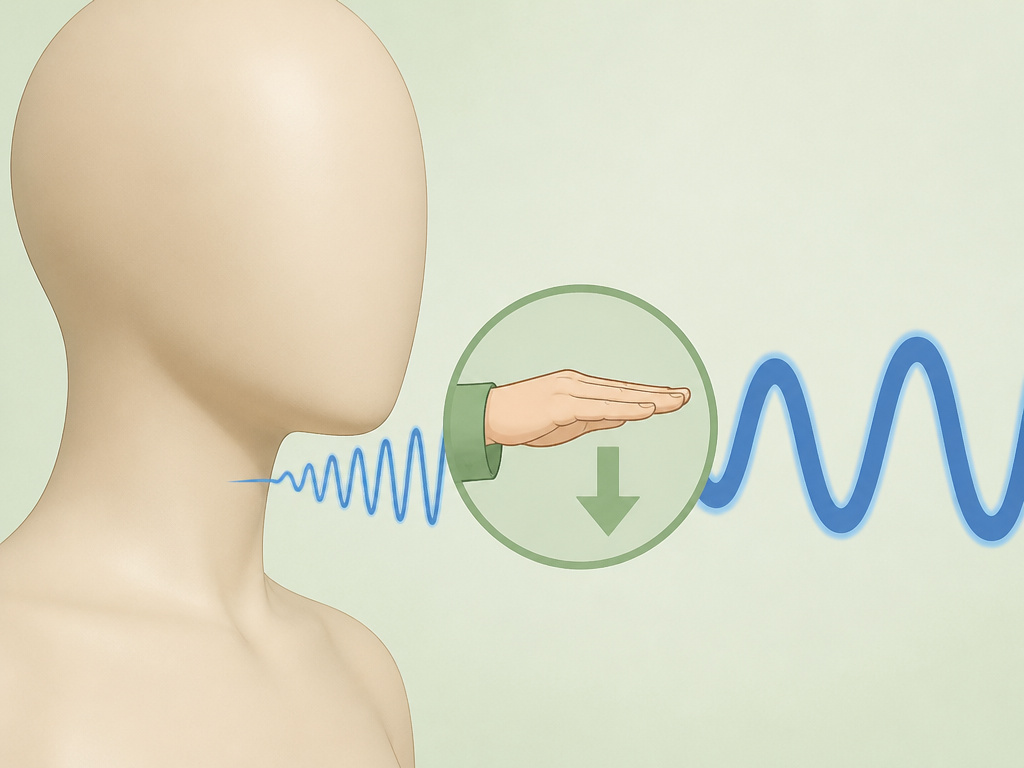
For a substantial minority, testosterone therapy alone does not produce a satisfactorily masculine voice. This is termed “insufficient voice virilization.” The pitch may drop somewhat, but the vocal quality, resonance, or speaking patterns remain perceived as feminine.
This is where voice therapy becomes essential, not optional. A trained SLP can work with you on:
- Pitch: Finding and strengthening your optimal lower pitch.
- Resonance: Shifting sound vibration from the head (brighter) to the chest (darker).
- Speech Patterns: Modifying intonation, speech rate, and articulation.
Voice therapy is effective. It’s also hard work, requiring consistent daily practice. Think of it like physical therapy for your vocal mechanism.
For some, surgical intervention like a vocal fold shortening procedure (thyroplasty) is an option. This is a permanent, irreversible step with risks like vocal hoarseness or loss of range. It is generally considered only after at least one year of testosterone therapy and a dedicated attempt at voice therapy.
The how testosterone affects the male brain includes changes in self-perception and confidence, which can also impact how you project your voice. A multi-pronged approach often yields the best result.
Direct vocal cord injections
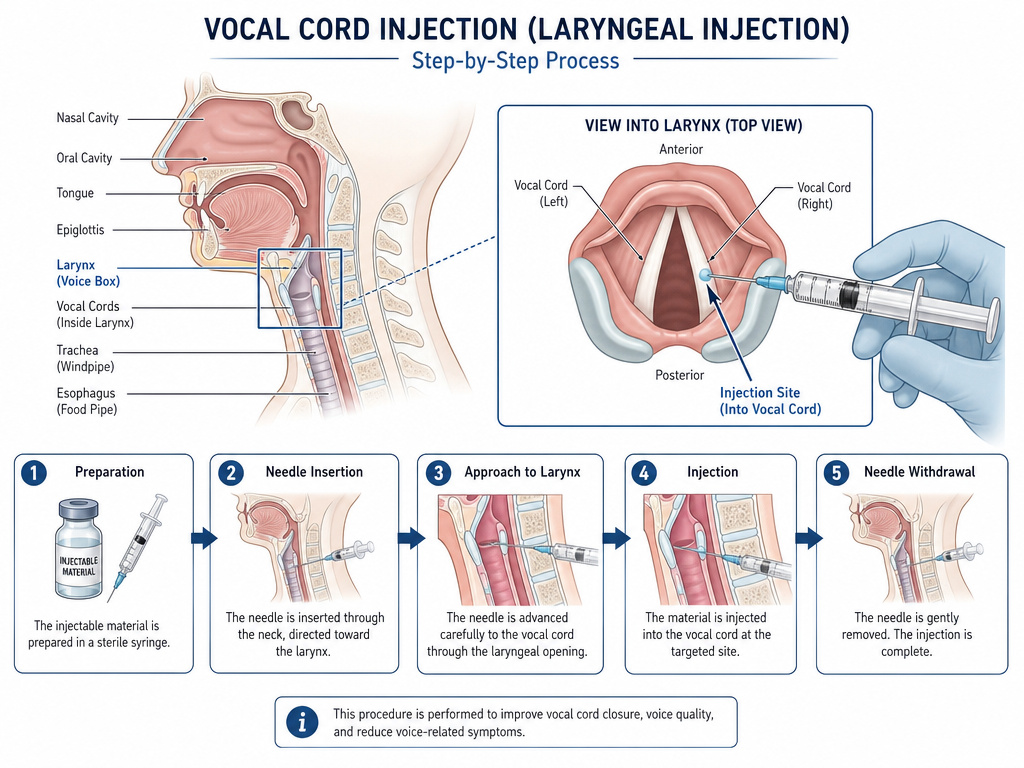
The fact sheet does not provide specific information on direct vocal cord injections. This is a separate medical procedure from systemic hormone therapy. If you are considering interventions to alter your voice, consulting with a laryngologist or a voice specialist is essential. They can assess your vocal cords and discuss the potential risks, benefits, and realistic outcomes of procedural options, ensuring any approach is tailored to your individual anatomy and goals.
Frequently Asked Questions
Does testosterone permanently make your voice deeper?
For transgender men, the voice deepening from testosterone therapy is permanent. The structural thickening of the vocal folds does not reverse if testosterone is stopped. For cisgender women, studies show no permanent deepening occurs from therapeutic use.
Can you reverse testosterone voice change?
Once vocal folds have thickened and the pitch has dropped, the change is not medically reversible. Voice therapy can help you learn to speak at a higher pitch, but the underlying vocal instrument will remain altered. Surgical procedures to raise pitch exist but are complex and risky.
What drugs deepen your voice?
Testosterone is the primary medication used to induce voice deepening in gender-affirming care. Other steroids with androgenic properties could theoretically have similar effects but carry significant health risks and are not approved for this purpose. There are no safe, effective “voice deepening pills” for casual use.
I’m a singer. What should I know?
Proceed with caution and plan. Testosterone will change your vocal range, likely lowering it and potentially reducing your flexibility and control during the transition period. Work with a vocal coach experienced in transgender voice transition. The process requires patience and a willingness to rebuild your technique from the ground up.
Why didn’t my voice change much on testosterone?
Individual variation is significant. Factors include genetics (androgen receptor sensitivity), the age you start therapy, and your baseline vocal structure. If you’re concerned about insufficient change after 12-18 months, seek an evaluation from an otolaryngologist (ENT) and a speech-language pathologist specializing in transgender voice.
The Bottom Line
The question “does testosterone deepen your voice in adulthood” has two answers. For the adult cisgender female vocal tract, the research is clear: it does not. For transgender men, it usually does, through a slow, structural remodeling of the vocal folds that takes up to a year to stabilize.
The mechanism is biological, but the outcome is not guaranteed by hormone levels alone. Your genetics and how you care for your voice during the process are equally important. If you’re pursuing testosterone for gender affirmation, integrate voice therapy early. It’s not a backup plan; it’s how you build a strong, sustainable voice on top of the hormonal foundation.
And if you’re a cisgender woman considering testosterone for other health reasons, you can likely put vocal fear to rest. The evidence says your speaking voice isn’t on the list of changes to expect.
