
Are at Home Testosterone Tests Accurate? How to Choose
This post contains affiliate links. As an Amazon Associate, we earn from qualifying purchases.
At-home testosterone tests can be accurate, but only under three strict conditions: the lab uses a mass spectrometry method (LC-MS/MS), you collect the sample correctly in the morning, and you are not using topical testosterone gel. For most men checking a baseline level, a high-quality home test processed by a CLIA-certified lab using LC-MS/MS can provide a reliable snapshot. For women, children, or anyone on gel therapy, the error rate climbs, and clinical testing is the better path.
That snapshot has edges. The difference between a useful data point and a misleading number often comes down to the assay method printed in the fine print of your results. Immunoassays, the cheaper, high-throughput method used in many labs, have a documented positive bias at low concentrations, exactly the range where women, children, and testosterone-deficient men live. A 2023 study in Annals of Laboratory Medicine confirmed that mass spectrometry methods exhibit higher accuracy and lower variability, especially at these clinically critical low levels. This leads many to ask: are at home testosterone tests accurate?
What follows is not a list of “best” kits. It’s a breakdown of the three variables that actually decide accuracy: the lab’s technology, your collection ritual, and your individual context. By the end, you’ll know how to read your test’s methodology, spot the red flags that invalidate a result, and understand when an at-home check is a starting point versus when you need to book a clinical draw.
Key Takeaways
- Lab method is everything. An at-home test is only as accurate as the lab analyzing it. Prioritize kits that use LC-MS/MS (mass spectrometry) over standard immunoassays, especially for low levels.
- Timing and technique break tests. Collect your sample between 7-10 AM after a normal night’s sleep. A 2022 study found that roughly 70% of low results came from samples taken outside this window.
- Context creates error. Dried blood spot (DBS) tests are unreliable if you use topical testosterone gel due to skin contamination. For women and children, even the best at-home tests have higher error margins.
- A single test is a data point, not a diagnosis. Testosterone fluctuates daily. A borderline or surprising result needs confirmation with a second test, ideally a clinical venous draw, before any action.
- Accuracy has a price. The most reliable at-home tests cost more because LC-MS/MS is a more expensive technology. View cheaper kits using immunoassays as screening tools, not diagnostic instruments.
The 3 Pillars of At-Home Test Accuracy
Forget brand names for a minute. The reliability of any result rests on a tripod: the analytical method, the pre-analytical conditions (what you do before the sample is analyzed), and the post-analytical interpretation. Knock one leg out, and the whole reading tips.
1. The Assay Method: LC-MS/MS vs. Immunoassay
This is the most important factor you control when choosing a test. You are buying the lab’s technology.
Mass spectrometry (LC-MS/MS) is the gold standard. It works by physically separating testosterone molecules from other similar steroids in the sample before measuring them. This separation step eliminates most cross-reactivity, where the test mistakenly counts other hormones as testosterone. The Endocrine Society’s position statement emphasizes that laboratory proficiency should be based on measuring known concentrations accurately, not just agreeing with others using the same flawed method. LC-MS/MS is how you do that.
Common mistake: Choosing a test based only on price and speed. Immunoassays are cheaper and faster but trade off accuracy, particularly for the low levels found in women, children, and hypogonadal men.
Immunoassays (like CMIA or EIA) are the common, cheaper alternative. They use antibodies designed to bind to testosterone. The problem is these antibodies can also bind to structurally similar molecules, like DHEAS. In a 2020 reassessment study of the Access Testosterone immunoassay, researchers had to specifically test for cross-reaction with DHEAS because its high circulating levels can skew results. This interference causes a positive bias, your result reads higher than your actual testosterone level. The bias is most pronounced at concentrations below 1.67 nmol/L, which is the entire relevant range for women and children.
| Method | How It Works | Best For | Key Limitation |
|---|---|---|---|
| LC-MS/MS | Separates & measures testosterone molecules directly. | Accuracy. Diagnosing low T in men, testing women/children. | More expensive, slower turnaround. |
| Immunoassay | Uses antibodies that bind to testosterone. | Screening. Getting a rough idea of mid-to-high male levels. | Positive bias at low concentrations; cross-reactivity. |
The evidence is clear. When the CDC runs its Hormone Standardization (HoSt) program to improve consistency across labs, it uses accuracy-based targets. A 2023 validation study using a Sciex Triple Quad 6500+ LC-MS/MS system demonstrated a mean bias of just 3.2% against the CDC reference, well within the acceptable 6.4% bias limit. In the same study, an Architect i2000 immunoassay showed a positive percent bias compared to LC-MS/MS at those critical low concentrations.
Short version: If your goal is clinical-grade accuracy, especially for low levels, the test must use LC-MS/MS. It’s the difference between a satellite photo and a sketch.
2. The Collection: You Are the Lab Technician
Once the kit arrives, the lab’s job is done until the sample arrives. You are now in charge of pre-analytical variables, and this is where most errors happen.
Timing is critical. Testosterone follows a diurnal rhythm, peaking in the early morning and declining through the day. Testosterone follows a diurnal rhythm, peaking in the early morning and declining through the day. Drawing blood later in the day can show a level lower than your true morning peak. Drawing blood at 4 PM can easily show a level 30% lower than your true morning peak. For a reliable baseline, you must test at the peak.
The collection ritual matters. The instructions are there for a reason.
- Fast if required. Some studies show a standard 75g glucose load can suppress testosterone levels by 15% for up to three hours. If your test requires fasting, follow it.
- Stay rested. Avoid strenuous exercise for 24 hours before. Acute exhaustion, especially combined with alcohol, can reduce levels by 23% for up to 22 hours.
- Handle with care. For finger-prick tests, wipe away the first drop of blood to avoid tissue fluid contamination. Pack and mail the sample immediately. The stability clock starts ticking the moment the blood leaves your body.
I learned this the hard way. I once rushed a sample after a midday workout, worried I’d forget. The result was so unexpectedly low it triggered a pointless cycle of worry and retesting. The second test, done correctly in the morning, was solidly normal. The variable wasn’t my hormones; it was my haste.
3. The Context: Your Biology and Habits
Even a perfect sample analyzed by gold-standard methods can be misinterpreted if you don’t account for what’s happening in your body.
Medications and topicals are major confounders. This is the biggest pitfall for at-home dried blood spot (DBS) testing. If you are using a topical testosterone gel or cream, sampling blood from a finger you might have touched with the gel can lead to astronomically high, false results. One review explicitly states that saliva and DBS testing “lack sufficient clinical correlation and should not be used for TD [transdermal] TRT monitoring.”
Your age and sex change the rules. Testosterone levels in children are notoriously tricky to measure accurately. A review on testosterone measurements in children noted that second-generation immunoassays overestimated T levels in neonates, with discrepancies between immunoassays and LC/MS being particularly notable in the 1st week of life. For women, where levels are naturally very low, the imprecision of immunoassays makes them nearly useless for clinical decision-making.
Understand natural fluctuation. A single test is a snapshot of a moving target. Stress, illness, poor sleep, and diet all cause daily swings. This is why the most important step after getting any test result, home or clinical, is often to order a testosterone test for a second opinion on a different day before drawing firm conclusions.
When At-Home Tests Fail (And What To Do)
Some scenarios push the limits of even the best home testing technology. Understanding these failure modes helps you avoid them.
The Topical Gel Problem
As mentioned, this is a hard stop for DBS tests. The gel resides on the skin’s surface and can easily contaminate the puncture site. Studies have shown DBS samples from gel users can show “extremely elevated testosterone levels compared to serum.” The solution is straightforward: if you use topical testosterone, do not use a finger-prick home test. Switch to a kit that uses a microtainer for a small venous blood draw collected by a professional, or go straight to a clinical lab.
The “Weirdly High” Result Reflex
Some at-home testing companies have built protocols for this. If a self-collected capillary sample comes back with an extremely high total testosterone level, it may warrant further investigation for potential contamination or other causes. The logic is biological: if your testosterone is truly that high from endogenous production, your pituitary gland should have shut down (resulting in very low LH/FSH). If LH and FSH are still detectable with sky-high testosterone, the likely culprit is topical contamination. Contamination from topical testosterone gel can lead to astronomically high, false results in dried blood spot tests.
The Borderline or Unexpected Low
This is the most common scenario. You feel off, test at home, and get a result that is low, but not dramatically so. What now?
- Retest, correctly. Before you spend a dollar on supplements, confirm the result. Use a different brand if you want, but ensure the second test uses an LC-MS/MS method and you follow the morning collection protocol perfectly. This is where understanding why testosterone test results vary is crucial.
- Upgrade to a clinical venous draw. For definitive diagnosis, nothing beats a traditional blood draw from a vein, processed by a lab like Quest or Labcorp. It eliminates collection variables and often uses the most accurate assays.
- Consult with a professional. Bring both your home results and any clinical results to a healthcare provider who can interpret them in the context of your symptoms, medical history, and other testosterone blood test results.
Where this goes sideways: Treating a single low at-home test as a prescription for self-treatment. The path from a curious result to a treatment plan should always include confirmation and professional guidance.
How to Choose a Reliable At-Home Test
You can’t control the lab’s internals, but you can be a smart shopper. Use this checklist when comparing kits.
1. Interrogate the Methodology.
Look beyond the marketing. Before you buy, contact customer support or scour the FAQ: “What specific assay method do you use to measure total testosterone?” You want to hear “LC-MS/MS” or “tandem mass spectrometry.” If the answer is vague or they mention “CLIA-certified lab” without the method, be skeptical. All reputable labs are CLIA-certified; it’s a baseline, not a mark of quality.
2. Verify the Sample Type.
- Microtainer (Venous): Best. A small vial of blood from a vein, drawn by a phlebotomist at a local clinic. Minimizes contamination risk.
- Finger-prick Capillary (DBS): Good for convenience, but high contamination risk for gel users. Ensure the instructions are crystal clear.
- Saliva: Not recommended for accuracy. While convenient, a major review concluded that “salivary testosterone is not a better assay than other measures to diagnose hypogonadism.”
3. Check the Panel Breadth.
Testosterone doesn’t exist in a vacuum. A total testosterone number alone is hard to interpret. A more useful test will also include:
- Sex Hormone Binding Globulin (SHBG): Needed to calculate free testosterone.
- Luteinizing Hormone (LH): Tells you if low T is a testicular problem (high LH) or a brain/pituitary problem (low LH).
- Estradiol: Important for understanding hormonal balance.
4. Read the Real-World Fine Print.
What is the stated turnaround time? What is their policy if your sample is hemolyzed (damaged) or insufficient? Do they offer clinical review or just a raw results portal? Companies that are transparent about their limitations are often more trustworthy.
| Feature to Evaluate | What to Look For | Red Flag |
|---|---|---|
| Assay Method | Explicitly states “LC-MS/MS” or “Tandem Mass Spec.” | Vague language like “advanced immunoassay” or no method listed. |
| Sample Type | Microtainer (venous draw) or clear DBS protocols. | Saliva-only testing for diagnostic purposes. |
| Result Panel | Includes Total T, Free T (or SHBG), and LH. | Total testosterone only, with no supporting hormones. |
| Clinical Review | Option for clinician review or interpretation guide. | Raw numbers dumped into a portal with no context. |
This evaluation process mirrors the diligence needed for any health data. You wouldn’t trust a scale that couldn’t tell you its margin of error. Apply the same scrutiny here.
How to choose an accurate at-home testosterone test
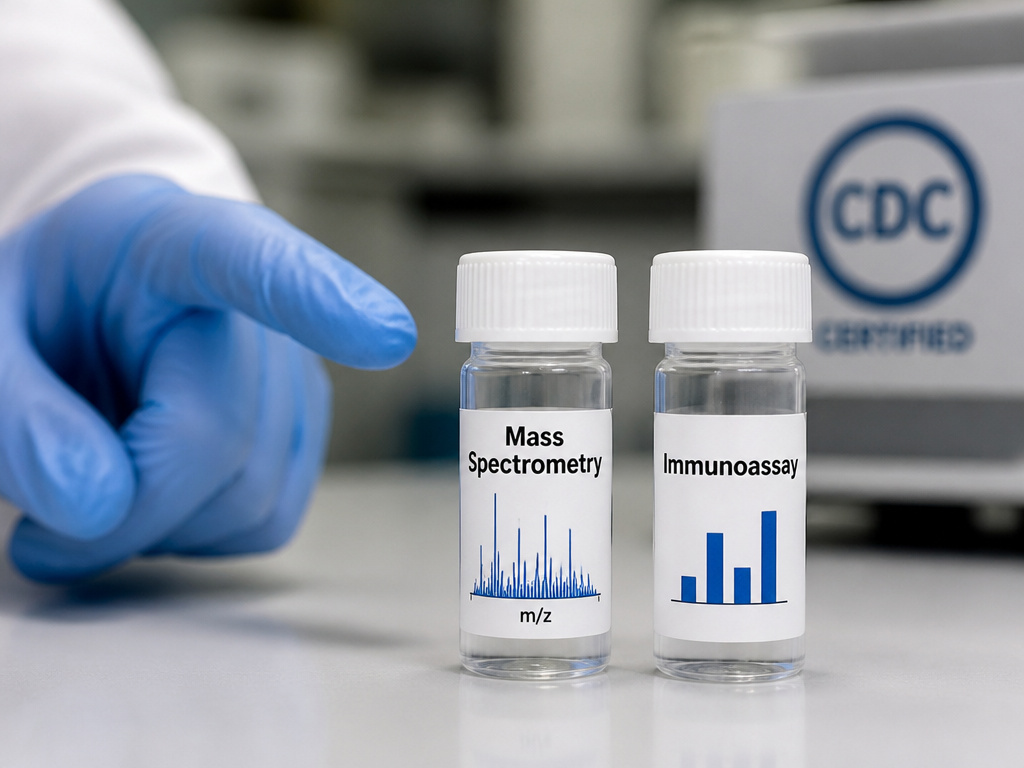
Don’t focus on brand names. The real difference lies in the laboratory method used to analyze your sample. Studies show mass spectrometry methods have higher accuracy and lower variability than immunoassays, especially at the low concentrations found in women, children, and testosterone-deficient men. Immunoassays can show significant positive bias in these groups. When evaluating a test kit, look for information about the lab’s proficiency. Some programs, like the CDC’s Hormone Standardization effort, certify labs that maintain a low bias in their measurements. Your goal is to find a service that uses a standardized, high-accuracy method and is transparent about its laboratory’s qualifications regarding the are at home testosterone tests accurate issue.
What do at-home testosterone tests cost and does insurance pay?

Direct-to-consumer lab tests typically operate outside of traditional insurance coverage. You pay out-of-pocket, and costs can vary widely. The price often reflects the underlying analytical technology. Tests analyzed with more accurate methods like mass spectrometry may cost more than those using standard immunoassays. Since insurance rarely covers these kits, consider the total value. A cheaper test that uses a method prone to error at low levels might give a misleading result, leading to unnecessary worry or follow-up doctor visits. View the cost as an investment in reliable data, and check if the service provides a detailed report suitable to share with your healthcare provider for a formal consultation.
What is a normal testosterone level?

There is no single universal “normal” number. Established ranges should account for gender, age, and the many variables that influence concentration, such as time of day. The “normal” range you see on a report also depends heavily on the laboratory’s specific testing method and how it establishes its reference intervals. Studies verify these intervals by testing groups of healthy individuals. Critically, different assay technologies can produce different numbers from the same sample. A level considered normal by one method might be flagged as low by another. This is why your result must be interpreted by a doctor who understands the test’s methodology and can correlate it with your symptoms and health.
Frequently Asked Questions
Is there a reliable at-home testosterone test?
Yes, but “reliable” is conditional. Tests from companies that use CLIA-certified labs employing LC-MS/MS mass spectrometry for analysis are the most reliable for measuring total testosterone. Their reliability drops for women, children, and anyone using topical testosterone gel, where clinical testing is superior. Always check the stated methodology before purchasing.
Does not ejaculating for 7 days increase testosterone?
For accurate testing, it’s more important to focus on consistent sleep, avoiding heavy exercise before the test, and morning collection than on abstinence.
What is the #1 testosterone killer?
Chronic lifestyle factors are the most common suppressors. Lifestyle factors such as stress, illness, and poor sleep can influence testosterone levels. This is followed closely by chronic, high stress (which elevates cortisol) and obesity (which increases aromatase activity, converting testosterone to estrogen).
Why don’t doctors like to test testosterone?
Doctors often hesitate because of test inaccuracy and misinterpretation. If they use a lab with a poor immunoassay, the result can be misleading, especially for borderline cases. They also know testosterone fluctuates, so a single low test may not confirm hypogonadism. Some doctors also lack training in interpreting the full panel (Total T, SHBG, LH, Estradiol) needed for a diagnosis. This is why presenting data from a high-quality, LC-MS/MS test can sometimes help focus the conversation.
Before You Go
The question isn’t really “are at-home tests accurate?” It’s “accurate for what, and for whom?”
For a man with classic low-T symptoms wanting a baseline check, a well-chosen home test using LC-MS/MS is a valid, convenient starting point. It becomes a reliable data point when you pair it with strict morning collection and a view of your results as part of a trend, not a verdict.
That reliability evaporates if you’re a woman, a child, or using a topical gel. In those cases, the potential for error is too high, and the stakes of a misread are greater. The path there leads straight to a clinical phlebotomist and a formal lab order.
The most practical step you can take today is to research the methodology behind any test you’re considering. Let that detail, not the marketing, make the choice for you. Then, once you have a result, pair it with a second data point, a retest or a clinical draw, before you let it change anything you do. Your hormones are a system, not a single number. Measure them with the respect that system deserves.
