
Does Lifting Weights Increase Testosterone? How It Works
This post contains affiliate links. As an Amazon Associate, we earn from qualifying purchases.
Lifting weights causes a short-term, acute increase in testosterone levels, particularly after moderate-to-high intensity resistance training with compound movements. However, a 2021 meta-analysis of 11 randomized clinical trials found exercise training had a negligible effect on resting, baseline testosterone concentrations in previously sedentary, healthy men. The acute spike is temporary and not necessary for muscle growth, while consistent training supports overall hormonal health through improved body composition and metabolic function.
That distinction between a temporary spike and a lasting change in your baseline is where most of the confusion lives. A common question is does lifting weights increase testosterone in a lasting way. Fitness lore treats the post-workout hormone surge as a permanent lever you can pull, but the data from hundreds of men across dozens of studies paints a more nuanced picture.
What follows breaks down the two separate effects, the acute response and the resting baseline, with the specific study numbers that define them. This explains what truly makes a difference, what is exaggerated, and how to plan your training for lasting hormonal health, not just a temporary blood test result.
Key Takeaways
- Lifting weights triggers an acute testosterone spike, but levels typically return to baseline within about an hour after aerobic exercise, and remain elevated longer after resistance training.
- Long-term training has a negligible effect on resting testosterone in healthy men, per a meta-analysis of 11 RCTs and 421 previously sedentary participants.
- The acute spike is more pronounced with free-weight, compound lifts like squats than with machine-based exercises, even at matched intensities.
- According to a 2024 systematic review, prolonged high-intensity exercise can suppress testosterone for up to 72 hours during recovery, highlighting the need for smart programming. However, other research focuses on acute increases from moderate/high-intensity exercise.
- For tangible hormonal benefits, focus on body composition changes, reducing excess body fat through consistent training and nutrition has a more reliable impact on testosterone than chasing workout-induced spikes.
The Short-Term Spike vs. The Long-Term Baseline
You finish a heavy set of squats, and your body releases a pulse of testosterone into your bloodstream. This is real. A 2020 meta-analysis of 48 studies confirmed that moderate-to-high intensity exercise causes an acute increase, with a standardized mean difference of 0.74 (95% CI: 0.56, 0.91 nmol/L). The key word is acute. This isn’t a permanent elevation of your hormonal set point; it’s a transient response that fades.
Where this goes sideways: Chasing this acute spike as a primary muscle-building strategy. A 2024 review in Hormones, Hypertrophy, and Hype concluded that these short-term hormonal rises are neither sufficient nor necessary for stimulating muscle hypertrophy. Muscle growth is driven by mechanical tension, muscle damage, and metabolic stress from the training itself, not by the temporary hormone flood that follows.
The more important question for long-term health, beyond the immediate ‘does lifting weights increase testosterone’ spike, is whether consistent training raises your baseline, resting testosterone level. Here, the evidence is clear and often surprising. A rigorous 2021 meta-analysis conducted by the USDA Agricultural Research Service and the University of North Dakota pooled data from 11 randomized clinical trials involving 421 men. The men were previously sedentary, healthy, and aged 19–75 years. After weeks of structured exercise training, whether aerobic, resistance, or combined, the effect on their resting total testosterone concentration was negligible. Subgroup analyses found this result held true regardless of the type of training, the age of the participants, or their weight status.
This doesn’t mean training is useless for hormones. It means the primary benefit isn’t directly pumping up your T factory. The benefit is indirect and powerful: improving insulin sensitivity, reducing inflammatory body fat, and enhancing metabolic health. These are the factors that create a better environment for your natural hormone production to function optimally. You’re tuning the engine, not just adding more fuel for a few minutes.
How Lifting Actually Affects Testosterone: The Mechanisms
The body’s hormonal response to the ‘does lifting weights increase testosterone’ question isn’t a simple on/off switch. It’s a calibrated stress reaction. When you challenge your muscles with significant mechanical load, your endocrine system interprets it as a demand for repair and adaptation. The hypothalamus signals the pituitary gland, which in turn tells the testes to release more testosterone. This is the acute spike.
However, the system is designed for efficiency, not endless escalation. If the stress is too mild, a casual walk or very light weights, the signal isn’t strong enough to trigger a notable response. The 2020 meta-analysis noted increases after moderate/high-intensity work, but not after mild physical activity. Conversely, if the stress is too severe and prolonged, the system can downregulate. A 2024 systematic review found that prolonged high-intensity exercise can actually lead to testosterone suppression for up to 72 hours during recovery.
This creates a sweet spot for programming. The goal is to provide a potent, acute stimulus that signals for adaptation without tipping into a state of chronic stress that suppresses your axis. This is why balanced programs that include recovery, like planned deload weeks, are essential for long-term progress. Overtraining isn’t just about sore muscles; it’s a hormonal drain.
A 1993 study had participants perform squats at two different intensities: a heavy protocol (4 sets of 6 at 90-95% of 6RM) and a light protocol (4 sets of 9-10 reps at 60-65% of the MWL weight). Both acutely increased serum testosterone versus baseline, with no significant difference between the two intensities. The takeaway? Intensity matters, but the threshold to trigger a response may be lower than the “go heavy or go home” crowd insists.
What Does This Mean for Your Workout?
If the acute spike doesn’t build muscle directly and training doesn’t raise your baseline T, why lift? Because resistance training remains one of the most potent tools for changing your body composition, and that directly influences hormonal health. Excess body fat, particularly visceral fat, promotes the conversion of testosterone into estrogen and increases inflammation, which can suppress your natural production. Building muscle improves metabolic rate and insulin sensitivity.
So, design your workouts for sustainable body composition change, not hormonal fireworks.
| Training Variable | For Acute Response | For Long-Term Hormonal Health |
|---|---|---|
| Exercise Selection | Prioritize free-weight, compound lifts (barbell squats, deadlifts, presses). A 2014 PubMed study on acute hormonal response found squats elicited a greater spike than leg press. | Include a mix of compounds and accessories for balanced muscle development and joint health. |
| Intensity | Work with moderate-to-high intensity for main lifts. The acute weight lifting intensity study shows even lighter loads can trigger a response. | Focus on progressive overload over time. Strength gains drive muscle growth, which improves metabolism. |
| Volume | Use sufficient volume per session to provide a potent stimulus. | Manage weekly volume to allow recovery. More is not always better. |
| Frequency | The spike is per session. Training a muscle group 2-3x/week is effective. | Consistency over months and years is what reshapes your body. |
| Recovery | The spike is short-lived; allow adequate recovery before training the same muscle group hard again. | Prioritize sleep and nutrition. This is where the real lifestyle changes for higher testosterone happen. |
The best workouts for testosterone are the ones you can recover from and repeat consistently for years. That often means a simple, full-body or upper/lower split built around squats, hinges, pushes, and pulls. Chasing extreme fatigue to “maximize the hormone spike” is a shortcut to burnout, not gains.
Key Factors That Modify Your Response

Your body’s reaction to weightlifting isn’t uniform. Several well-documented factors can amplify or blunt the acute testosterone response and influence long-term hormonal trends.
Age: The acute spike is generally more pronounced in younger men. The 2024 systematic review notes the response is negligible in adolescents and diminishes in older adults. This doesn’t mean older men shouldn’t lift, the benefits for muscle mass, bone density, and metabolic health are arguably greater, but the immediate hormonal “pop” will be less dramatic.
Training Status: If you’re new to lifting, your body may mount a more robust acute response. As you become trained, the system becomes more efficient, and the same workout may produce a smaller spike. This is adaptation, not a sign of declining effectiveness.
Nutrition & Body Composition: This is the heavyweight. Being in a severe calorie deficit, especially while also training hard, is a reliable way to suppress testosterone. Conversely, carrying excess body fat, as shown in numerous studies, is correlated with lower testosterone levels. The most reliable way to use exercise to support healthy testosterone is to employ it as a tool to achieve and maintain a healthy body fat percentage. This is the core of how losing weight and testosterone are connected.
Sleep & Stress: No amount of perfect training can overcome chronic sleep deprivation or high stress (cortisol). These factors directly oppose the anabolic processes you’re trying to stimulate with weights. Managing them is not supplementary; it’s foundational.
Common mistake: Ignoring sleep because your workout was “optimized.” A terrible night’s sleep does more damage to your hormonal milieu than skipping a workout does. The weights provide the stimulus; sleep and food provide the building blocks and the hormonal environment for repair.
Lifting Weights vs. Other Forms of Exercise

Weight training isn’t the only way to perturb your hormones. How does it compare?
High-Intensity Interval Training (HIIT): Activities like sprint intervals can also create a sharp acute testosterone and growth hormone response. The 2024 review notes testosterone returns to baseline within about 1 hour after aerobic exercise, but stays elevated longer after resistance training. For pure hormonal perturbation, heavy lifting has a longer tail. However, HIIT and testosterone have a complex relationship; while effective acutely, excessive HIIT can contribute to the prolonged stress that suppresses levels.
Steady-State Cardio: Low to moderate-intensity cardio generally does not produce a significant acute testosterone spike. Its value for hormones is almost entirely indirect, through its powerful effects on improving cardiovascular health, aiding fat loss, and reducing systemic inflammation.
The practical takeaway is to use each tool for its strength. Resistance training is your primary driver for building the muscle mass that improves metabolism. Cardio (both HIIT and steady-state) is a crucial tool for heart health and managing body fat. Combining them, without overdoing total volume, is the holistic approach for long-term hormonal and physical health.
When Lifting Isn’t Enough: Signs to See a Doctor
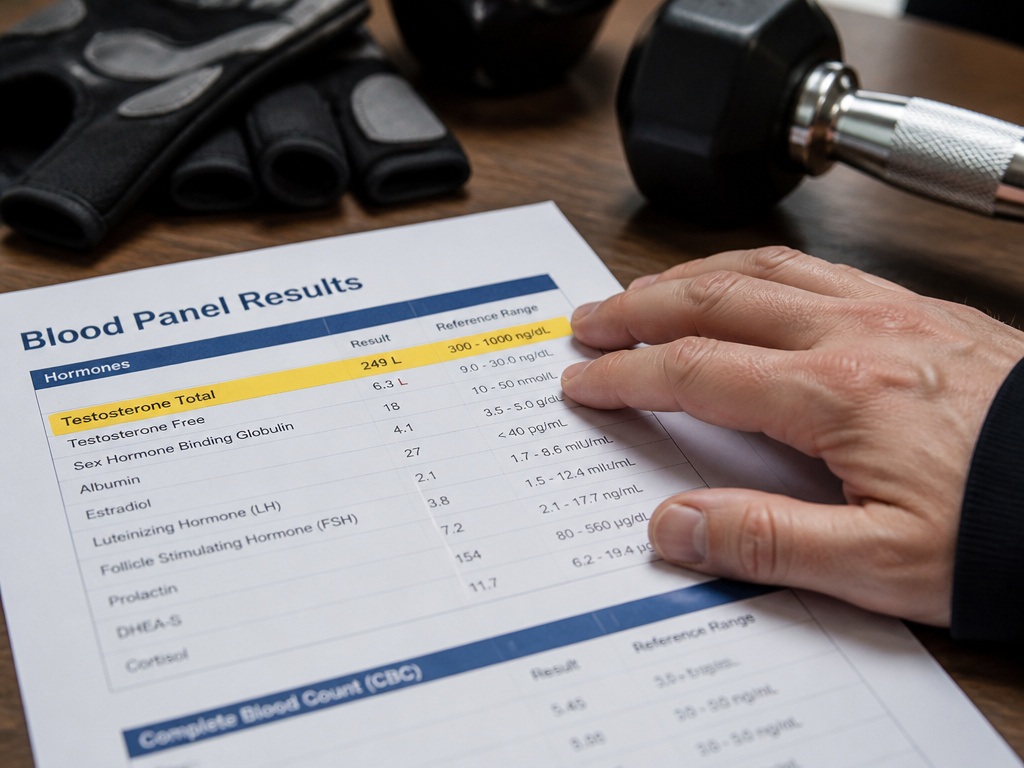
Exercise is a powerful supporter of health, but it is not medicine for a clinically diagnosed condition. If you’re experiencing multiple symptoms of low testosterone, persistent low energy, depressed mood, loss of libido, difficulty building muscle or losing fat despite proper training and nutrition, it’s time to look beyond the gym.
A basic blood panel can tell you where your levels truly sit. Relying on how you “feel” after a workout is not a diagnostic tool. The acute spike from a great session can temporarily improve mood and energy, masking an underlying low baseline.
If your total and free testosterone levels are clinically low, a doctor can help determine the cause (primary, secondary, or due to other lifestyle/health factors) and discuss options, which may include natural testosterone boost strategies or, in some cases, testosterone replacement therapy (TRT). Exercise remains a critical component of management in either scenario, but it’s not a standalone cure for hypogonadism.
How the hormonal response works
When you lift weights, your body can release a pulse of testosterone. This acute response is a real, measurable event. A 2020 meta-analysis of 48 studies and 569 men confirmed moderate-to-high intensity exercise causes this increase. However, a 2024 review article states these acute hormonal spikes are not necessary for stimulating muscle growth. The testosterone binds to androgen receptors in muscle tissue, but the entire process is a temporary cascade. The response is more pronounced with free weight exercises like squats compared to machines, and it fades after the workout. The long-term training effect on your resting hormonal set point is a separate matter.
Benefits of healthy testosterone levels
Maintaining healthy testosterone levels supports overall physical function. It plays a role in muscle protein synthesis, which aids in the repair and growth of muscle tissue after stress like resistance training. Beyond muscle, testosterone is involved in maintaining bone mineral density, contributing to skeletal strength. It also influences metabolic rate and body composition. While exercise can cause acute testosterone spikes, consistent training is valued for these broader health benefits. The focus should be on sustainable practices that support your body’s natural hormonal environment for long-term muscle, bone, and metabolic health, rather than chasing temporary blood test fluctuations.
Differences in response between men and women
The acute hormonal response to exercise varies significantly between individuals and sexes. Research indicates the response is more pronounced in younger males compared to older adults. In adolescents, the acute testosterone response to exercise is reported as negligible. For women, who naturally have much lower circulating testosterone, the absolute increase from an acute bout of exercise is smaller. However, the relative importance of the hormonal cascade for muscle adaptation may differ. The brief spike after a workout is common but varies, but proof that training alone raises long-term resting levels is still limited for everyone.
Frequently Asked Questions
Will my testosterone increase if I lift weights?
Yes, but with a critical distinction. It will increase acutely, for a short time after your workout. A meta-analysis of 48 studies confirms this. However, consistent weightlifting has a negligible effect on your resting, baseline testosterone level if you are already healthy, according to a USDA/ARS meta-analysis of 11 clinical trials. The long-term benefit comes from improved body composition, not a direct elevation of your T set point.
What is the #1 testosterone killer?
From a lifestyle perspective, the most common culprits are chronic sleep deprivation, excessive alcohol consumption, and carrying high levels of body fat, particularly visceral belly fat. These create an inflammatory, high-stress internal environment that directly suppresses your body’s natural testosterone production. Overtraining with insufficient recovery acts as another major stressor.
Will 100 pushups a day increase testosterone?
Probably not in any meaningful, lasting way. While 100 pushups is a muscular endurance challenge, it’s unlikely to provide the mechanical loading intensity needed for a significant acute testosterone spike. Also, as a daily, single-joint exercise for the upper body only, it fails to encourage the full-body muscle growth or metabolic change needed for long-term hormonal health. It’s better than nothing, but not an optimal stimulus.
Which exercise boosts testosterone most?
Research points to heavy, compound, free-weight exercises that involve large muscle masses. The classic example is the barbell back squat. A 2014 study found free-weight squats produced a greater acute hormonal response than machine-based leg presses, even when the primary muscles worked and the relative intensity were matched. Deadlifts, heavy rows, and overhead presses follow the same principle.
The Bottom Line
Lifting weights causes a real, measurable, but temporary increase in testosterone. You can chase that spike with heavy squats and deadlifts, and it’s a fun metric. But don’t conflate it with a long-term solution for low T.
The robust evidence shows that for healthy men, exercise training doesn’t significantly raise your resting baseline. The real hormonal win from weightlifting is what it does to your body composition over months and years. It’s the most reliable tool you have to build muscle and shed fat, and that metabolic improvement is what creates a healthier environment for your endocrine system.
So lift. Lift consistently. Focus on getting stronger, eating to support your goals, and sleeping enough to recover. The acute spike is a byproduct. The improved metabolism, the better physique, the enhanced insulin sensitivity, those are the prizes. They’re what actually move the needle on how you feel and function, long after the post-workout hormone surge has faded.
