
What Is Compensated Hypogonadism? The Lab Guide Explained
This post contains affiliate links. As an Amazon Associate, we earn from qualifying purchases.
Compensated hypogonadism is a specific hormonal state defined by normal total testosterone levels (≥10.5 nmol/L or ≈302 ng/dL) paired with an elevated luteinizing hormone (LH >9.4 U/L). It’s the body’s attempt to maintain testosterone production as testicular function begins to decline, seen in about 9.5% of men aged 40-79. Unlike overt hypogonadism, testosterone is still in range, but the pituitary gland is working harder to keep it there.
That “working harder” part is the whole story. Your pituitary gland shouts louder (high LH) because your testes aren’t listening as well as they used to. This isn’t a disease you treat with testosterone. It’s a signal, a flag on the field that says the system is under strain, which is essentially what is compensated hypogonadism.
What follows breaks down that signal. We’ll look at the exact diagnostic numbers, how this condition stacks up against primary and secondary hypogonadism, its strong link to aging (and not obesity), and the surprising evidence that common over-the-counter painkillers can induce it. You’ll also get a clear view of the ongoing medical debate about what this state actually means for long-term health.
Key Takeaways
- The diagnosis requires two specific blood markers: total testosterone ≥10.5 nmol/L and LH >9.4 U/L.
- It is strongly tied to aging, not obesity, which distinguishes it from common secondary hypogonadism.
- Common drugs like ibuprofen can induce this state within two weeks by disrupting testicular hormone production.
- Current guidelines do not recommend testosterone therapy for compensated hypogonadism, as levels are technically normal.
- Experts disagree on whether it’s a distinct clinical entity or just a lab finding with unclear long-term risks.
What Does “Compensated” Actually Mean?
Think of your hormonal system like a thermostat. The pituitary gland in your brain is the thermostat, and luteinizing hormone (LH) is the signal it sends to the testes, the furnace, to produce heat (testosterone). In primary hypogonadism, the furnace is broken; the thermostat cranks the signal to maximum (high LH), but you still get no heat (low T). In compensated hypogonadism, the furnace is getting old and inefficient. The thermostat has to turn up the signal (high LH) just to maintain a normal room temperature (normal T).
The body is compensating. It’s working harder to achieve the same output.
The European Male Ageing Study (EMAS) launched the diagnostic criteria: total testosterone at or above 10.5 nmol/L (about 302 ng/dL) combined with a luteinizing hormone level greater than 9.4 U/L. This combination signals a pituitary gland pushing against early testicular resistance.
Compensated vs. Primary vs. Secondary: A Symptom and Lab Guide
You can’t understand one type of hypogonadism without seeing it next to the others, including the what is compensated hypogonadism question. The symptoms often overlap, low energy, reduced libido, mood changes, but the root causes and lab results paint completely different pictures. This is why measuring LH is essential.
| Type | Testosterone | Luteinizing Hormone (LH) | Primary Cause | Typical Symptoms |
|---|---|---|---|---|
| Primary | Low | High | Testicular failure (injury, genetic, chemo) | Fatigue, low libido, erectile dysfunction, loss of body hair, infertility |
| Secondary | Low | Low/Normal | Pituitary/hypothalamus issue (tumor, obesity, stress) | Similar to primary, but often with more weight gain and metabolic issues |
| Compensated | Normal | High | Early testicular aging, drug effects (e.g., ibuprofen) | Often mild or absent; possible subtle fatigue or decreased vitality |
The table makes the distinction clear, especially when you compare a what is compensated hypogonadism case. If you only look at testosterone, you’ll miss compensated hypogonadism entirely and mistake secondary for primary. Getting the full picture requires understanding the hypothalamic-pituitary-gonadal axis and what each part does. A breakdown in communication at any point changes the treatment entirely.
Where this goes sideways: Treating a compensated case as if it were primary or secondary hypogonadism. The testosterone level is normal, so giving exogenous testosterone can shut down your own production completely and isn’t indicated. The goal here is monitoring and addressing the underlying driver, not masking the lab number.
The Surprising Link to Common Painkillers
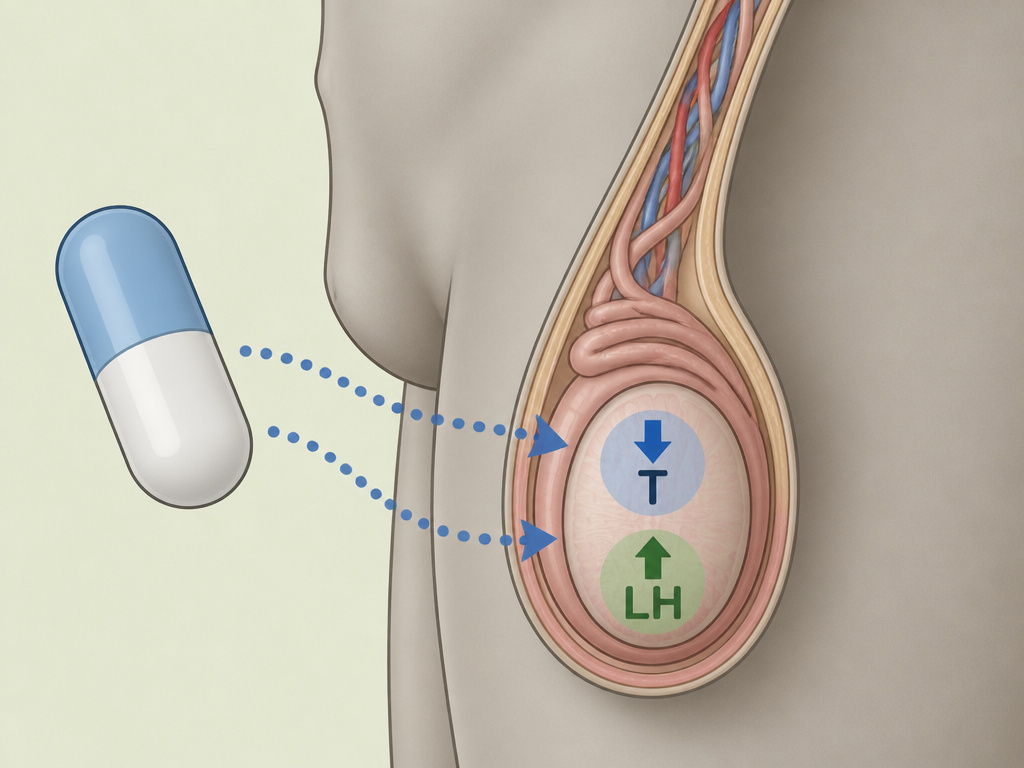
Most diagnostic workups for low testosterone look at the usual suspects: aging, obesity, sleep apnea. They rarely ask about your ibuprofen habit. A 2018 clinical trial changed that. Researchers gave healthy young men a moderate dose of ibuprofen and tracked their hormones.
The results were stark. After just 14 days, LH had increased by 23% and the free testosterone/LH ratio had decreased by 18%. By 44 days, LH was up 33% and the free testosterone/LH ratio had decreased by 23%. The study concluded that ibuprofen “can induce a state of compensated hypogonadism as early as 14 d and was maintained until the end of the trial.”
The part nobody mentions: This isn’t about abuse. The trial used a standard over-the-counter dosage for inflammation. The mechanism involves the drug crossing into the testes and directly repressing hormone-producing enzymes.
This is a reversible, drug-induced form. It shows that compensated hypogonadism isn’t just an aging quirk. It’s a measurable physiological response to a chemical stressor. If you’re troubleshooting hormonal issues and take NSAIDs regularly for back pain or headaches, the PMC free full-text research on ibuprofen and hypogonadism is a conversation starter for your doctor. It reframes the search for underlying causes.
Is It a Real Health Concern or Just a Lab Curiosity?

Here’s where the experts don’t see eye to eye. The debate centers on clinical significance. Does this lab pattern predict worse health outcomes? Does it usually progress to full-blown primary hypogonadism?
One camp, citing a 2014 study, states: “The present data do not support the concept that compensated (subclinical) hypogonadism represents a new clinical entity.” The other camp points to the EMAS study itself, which they say “launched a new diagnostic entity,” citing unpublished data suggesting progression to primary hypogonadism.
The other camp points to the EMAS study itself, which they say “launched a new diagnostic entity,” and cites unpublished EMAS data suggesting “a marked proportion of them seem to progress to genuine primary hypogonadism.” They see it as a transitional, at-risk state.
This disagreement matters for your next step. If your doctor leans toward the first view, they may tell you not to worry and send you on your way. If they lean toward the second, they’ll likely recommend regular monitoring. The current concepts in hypogonadism review article lays out both sides of this controversy. It’s a perfect example of how medicine evolves, a finding exists long before a consensus forms on what to do about it.
What Should You Do If You’re Diagnosed?
A finding of compensated hypogonadism is not a prescription. It’s a starting point for a conversation and a plan. Since testosterone therapy isn’t appropriate, action focuses on investigation, optimization, and surveillance.
First, rule out reversible causes. That ibuprofen study is critical. Review all medications and supplements with your doctor. Next, look at lifestyle amplifiers. While compensated hypogonadism is linked to aging, general health stressors can push a strained system over the edge. Poor sleep, chronic stress, and excessive alcohol are all pituitary stressors.
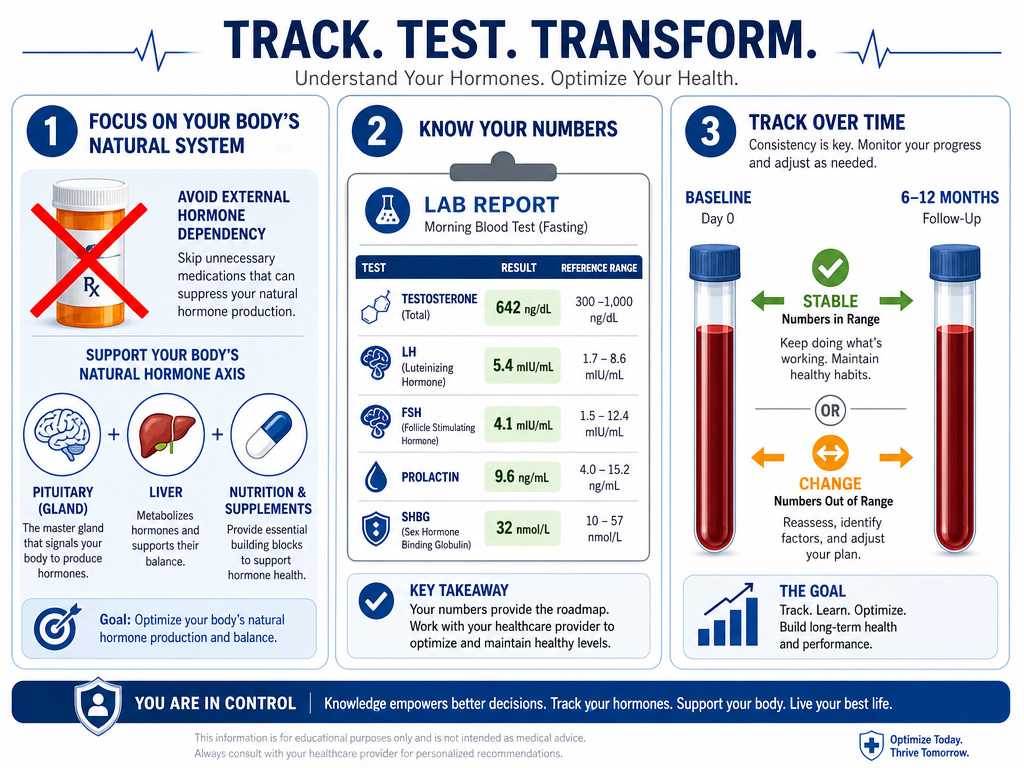
Second, get a full panel including FSH, prolactin, and SHBG. Your doctor should check more than just T and LH. A full panel including FSH, prolactin, and SHBG helps rule out other pituitary issues and provides a clearer picture of your hypogonadism diagnosis. It establishes a detailed snapshot for future comparison.
Finally, commit to monitoring. This is the most practical, often-overlooked step. If you’re in this compensated state, the question is: is it stable, improving, or getting worse? The only way to know is to re-test. A sensible approach is to recheck testosterone and LH in 6 to 12 months. A rising LH with a falling T suggests progression toward primary hypogonadism. Stable numbers suggest the compensation is holding. This monitoring informs whether more aggressive investigation into treatable hypogonadism causes is needed.
Is Compensated Hypogonadism Linked to Heart Disease?
The specific long-term cardiovascular risks of compensated hypogonadism are not yet fully defined by the available data. The European Male Ageing Study, which identified this hormonal pattern, did not establish it as a distinct clinical entity with proven health outcomes. Therefore, it is unclear if having normal testosterone with elevated luteinizing hormone directly increases your risk for heart attack, stroke, or other cardiovascular problems. Current practical guidance focuses on managing overall cardiovascular health through lifestyle factors known to support hormonal balance, such as maintaining a healthy weight and regular physical activity, rather than treating the compensated state itself.
Does Compensated Hypogonadism Cause Mood Issues?
The fact sheet does not provide specific information linking compensated hypogonadism to psychiatric symptoms like depression, anxiety, or low mood. The available research from the European Male Ageing Study primarily defines the condition by its hormonal criteria and its association with the aging process, rather than specific psychological effects. In the absence of clear data, individuals concerned about mood changes alongside potential hormonal issues should discuss their full range of symptoms with a healthcare provider. A full evaluation can help determine if mood symptoms are related to hormonal factors, other health conditions, or stress.
Frequently Asked Questions
Can you recover from compensated hypogonadism?
It depends on the cause. If it’s drug-induced, like from sustained ibuprofen use, stopping the medication often allows hormone levels to return to baseline. If the cause is early age-related testicular decline, the “recovery” may not be to a youthful state, but the condition can remain stable for years with good health practices. The focus shifts from cure to management and monitoring.
How serious is hypogonadism?
The seriousness depends entirely on the type and severity. Overt primary or secondary hypogonadism with consistently low testosterone and clear symptoms is a significant medical condition linked to osteoporosis, depression, and metabolic disease. Compensated hypogonadism, with its normal testosterone, is considered less serious in the short term but is a potential risk marker for future decline. It warrants attention but not alarm.
What does someone with hypogonadism look like?
There is no single “look.” While classic textbook cases of long-standing, severe hypogonadism may include reduced body hair and muscle mass, most men with hypogonadism, especially the compensated or early secondary type, look completely ordinary. Symptoms like fatigue, low mood, and reduced sex drive are invisible. You cannot diagnose it by appearance, only through testosterone blood tests.
Is hypogonadism a VA disability?
It can be. The U.S. Department of Veterans Affairs may grant service connection for hypogonadism if it is directly linked to an in-service event (like testicular trauma, radiation, or certain toxic exposures) or is aggravated by a service-connected condition. A formal diagnosis with persistent low testosterone and symptoms is required, and compensation depends on the severity and impact on daily function. It’s a complex process best navigated with a VSO (Veterans Service Officer).
Before You Go
If your labs show this pattern, your job isn’t to find a supplement or a quick fix. Your job is to become an expert observer of your own health. Track your energy, your sleep, your mood. Most importantly, track the numbers. Re-test in a year. The trend line is your answer.
Skip the online forums that treat this like an emergency. It’s not. But also skip the advice that says it’s meaningless. It’s a data point, one that says a core system is under duress. Your move is to reduce that duress where you can, and watch closely where you can’t. That’s the middle path between panic and neglect, and it’s where good long-term health decisions are made. For a full review of the available treatments for hypogonadism, explore that path with a qualified doctor.
