
Does Low Testosterone Increase Dementia Risk?
This post contains affiliate links. As an Amazon Associate, we earn from qualifying purchases.
Low testosterone is linked to a higher risk of dementia in men, but it’s not a simple cause-and-effect. Large studies show men with the lowest testosterone levels have a significantly greater risk of developing Alzheimer’s disease or dementia compared to men with the highest levels. The relationship appears strongest in older men and may be influenced by other factors like Sex Hormone-Binding Globulin (SHBG).
The key word is “linked.” These are observational studies, which can show a connection but not prove that low testosterone causes dementia. It could be that declining brain health lowers hormone levels, or that a third factor, like poor metabolic health, drives both. A central question is: does low testosterone increase dementia risk?
What follows is a walk through the specific numbers from the largest studies, the biological mechanisms that might explain the link, and where the evidence currently stands on practical steps like testosterone therapy. By the end, you’ll be able to read any headline on this topic and know exactly what weight to give it.
Key Takeaways
- The association is not linear for everyone; the 2014 Three-City Study found a reverse J-shaped relationship, suggesting both very low and very high total testosterone may carry increased risk.
- Sex Hormone-Binding Globulin (SHBG) matters: lower SHBG is independently linked to a 34% lower dementia risk in the UK Biobank data, complicating the simple “low T” story.
- Testosterone therapy (TRT) for preventing dementia is not currently supported by strong evidence; large clinical trials have not shown clear cognitive benefit in men without symptomatic deficiency.
- Your first step if concerned is not a supplement, but a full check of sleep, stress, vitamin D, and metabolic health, foundational issues that affect both hormones and brain function.
The Observational Link: What the Major Studies Show
The evidence linking low testosterone to dementia, which directly addresses the does low testosterone increase dementia risk question, comes from prospective cohort studies. These follow large groups of healthy men for years, measuring hormone levels at the start and tracking who develops dementia. They provide a strong signal, but not a verdict.
The 2022 UK Biobank prospective cohort study is the largest to date, following over 159,000 men with a median age of 61 for seven years. It divided men into five groups (quintiles) based on their starting testosterone levels. Men in the lowest quintile had a 43% higher risk (Hazard Ratio 1.43) of developing all-cause dementia compared to men in the highest quintile. For Alzheimer’s disease specifically, the risk was 80% higher (HR 1.80).
This 50-60 word technical snippet covers the core finding from the largest available study. The UK Biobank prospective cohort study (2022) found men in the lowest quintile of serum testosterone had a hazard ratio of 1.43 for all-cause dementia and 1.80 for Alzheimer’s disease versus the highest quintile. The study also reported lower Sex Hormone-Binding Globulin (SHBG) was associated with a lower dementia risk (HR 0.66), indicating SHBG’s role may be independent of testosterone itself.
Other studies echo this, though their numbers vary. The Health in Men study (2018), which followed older men for a median of 10.5 years, found those in the lowest quartile of total testosterone had a 39% higher risk (HR 1.39) of dementia. A 2016 meta-analysis that pooled data from seven such studies calculated a 48% higher relative risk (RR 1.48) for Alzheimer’s disease in men with low testosterone.
But not every study found a slam-dunk. A smaller 2006 cohort study of 128 men aged 65+ followed from 1990 through 2006 found suggestive trends, like an 18.8% dementia incidence in men with low bioavailable testosterone versus 2.2% in men with higher levels, but concluded no significant association. The confidence intervals in that study were wide, a common issue in smaller samples.
| Study (Year) | Participants & Follow-up | Key Finding on Low Testosterone & Dementia Risk |
|---|---|---|
| UK Biobank (2022) | 159,411 men, median age 61, 7-year follow-up | Lowest vs. Highest quintile: 43% higher risk (HR 1.43) for all-cause dementia; 80% higher risk (HR 1.80) for Alzheimer’s. |
| Health in Men (2018) | ~4,000 men, median 10.5-year follow-up | Lowest vs. Highest quartile: 39% higher risk (HR 1.39) for incident dementia. |
| Three-City (2014) | 3,650 men, case-cohort design | “Reverse J-shaped” relationship: lowest tertile had 133% higher risk (HR 2.33) vs. Median; upper tertile showed a non-significant increased trend. |
| Meta-Analysis (2016) | Pooled data from 7 prospective studies | 48% higher relative risk (RR 1.48) for Alzheimer’s disease associated with low testosterone levels. |
The takeaway from the does low testosterone increase dementia risk research isn’t that one study is right and another wrong. It’s that the signal is real and consistent in large, well-designed studies. The size of the risk increase is meaningful, comparable to some other modifiable risk factors, but it’s not the whole story.
Where the Picture Gets Complicated: SHBG, Age, and the “Reverse J”
If low testosterone directly caused dementia, fixing it would be straightforward. The data is messier, pointing to a network of interacting factors. Two complications change how you should interpret a single lab number.
First, Sex Hormone-Binding Globulin (SHBG). This liver-produced protein binds to testosterone, rendering it inactive. This is a crucial detail often missing from simplified summaries. A man with low total testosterone but also very low SHBG might have plenty of bioactive, “free” testosterone available to his brain. This is why I spent a year treating the lab’s printed range like a pass/fail line, only to realize the number alone doesn’t tell you how the hormone is actually functioning in the body.
Second, the relationship isn’t always “lower is worse.” The Three-City Study (2014) reported a reverse J-shaped relationship. Men with the lowest total testosterone had the highest dementia risk, but men in the upper tertile (very high levels) also showed a non-significant trend toward increased risk compared to the middle group. This suggests there might be an optimal range for brain health, not just a minimum threshold.
Where this goes sideways: Focusing only on a total testosterone number below the lab range. That misses the activity of SHBG and the possibility that both extremes could be problematic, which changes the clinical question from “is it low?” to “is it in the right zone?”
Furthermore, the Three-City study found the association between low bioavailable testosterone and dementia was significantly stronger in men aged 80 and older (HR 3.11) and was only statistically significant in men with a high level of education. These “effect modifiers” suggest that the brain’s vulnerability to low testosterone might depend heavily on its existing reserve and health.
How Could Testosterone Protect the Brain?
The “why” behind the observational link involves several plausible biological mechanisms. Testosterone isn’t just a sex hormone; it’s a neuroactive steroid with receptors throughout the brain, particularly in regions critical for memory like the hippocampus.
- Neuroprotection and Neuron Growth: Testosterone promotes the growth and survival of neurons. It increases the production of brain-derived neurotrophic factor (BDNF), a protein essential for learning and memory. In animal models, low testosterone leads to hippocampal atrophy, which is a hallmark of Alzheimer’s disease.
- Amyloid Beta Clearance: Alzheimer’s is characterized by the accumulation of amyloid-beta plaques. Research suggests testosterone may help clear these plaques by modulating the activity of enzymes that break them down. Lower testosterone could mean less efficient clearance.
- Inflammation and Oxidative Stress: Testosterone has anti-inflammatory properties. Chronic brain inflammation is a key driver of neurodegeneration. Low testosterone may allow inflammatory processes to damage neurons unchecked.
- Vascular Health: Testosterone helps maintain healthy blood vessel function. Cerebrovascular disease, problems with blood flow in the brain, contributes to many dementia cases. The hormone’s role in supporting vascular function in the male brain could be one pathway to protection.
These mechanisms explain how a deficiency could contribute to decline, turning a statistical link into a biologically credible story. They also highlight why the connection between low testosterone and depression is so common, the same neurochemical pathways are involved in mood regulation.
Testosterone Therapy (TRT) and Cognition: Does Treatment Help?
This is the million-dollar question. If low testosterone raises risk, will replacing it lower it? The current answer from clinical trials is: we don’t know, and it’s probably not that simple.
Several randomized controlled trials have tested testosterone therapy in older men with low or low-normal levels. For example, major trials like the TTrials have generally not shown significant improvement in overall cognitive function compared to placebo. Some sub-tests showed minor gains, but nothing conclusive.
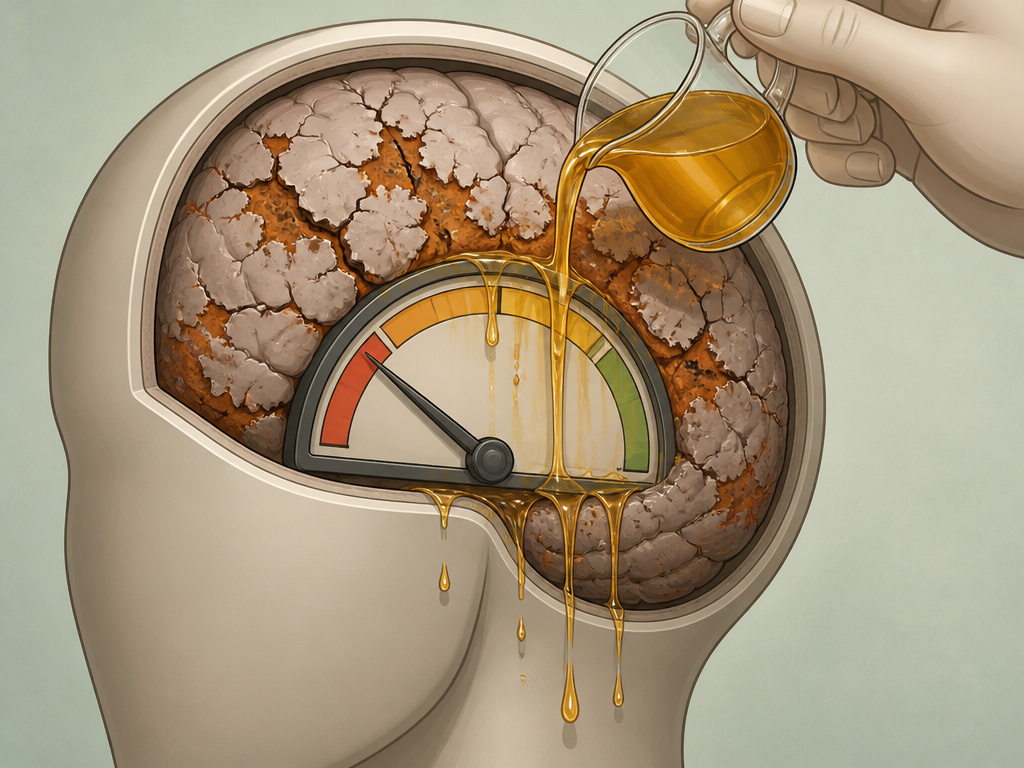
The part nobody mentions: Giving testosterone to a system that’s struggling for complex reasons, poor metabolic health, high inflammation, sleep apnea, is like pouring high-quality fuel into a rusted engine with a cracked block. The fuel isn’t the main problem. The large TTrials study, detailed in its PubMed indexed clinical study, underscores that just normalizing the hormone level doesn’t automatically fix higher-order brain function in men without clear deficiency symptoms.
This gap between observational hope and interventional disappointment points to a critical distinction: low testosterone as a biomarker versus a treatable cause. It’s likely that low T is a marker of overall declining health, metabolic syndrome, insulin resistance, chronic inflammation, that also damages the brain. In that case, treating the T alone misses the root cause.
Current evidence does not support using testosterone therapy for the prevention or treatment of dementia or cognitive decline. Its use should be reserved for men with clinically symptomatic androgen deficiency, after other causes have been ruled out.
Brain Fog vs. Dementia: Understanding the Spectrum

A searcher asking about dementia risk might actually be experiencing “brain fog”, a frustrating but less severe set of symptoms. It’s important to separate the two.
Brain fog refers to subjective cognitive complaints: mental fatigue, poor focus, forgetfulness in daily life, and a feeling of slowed thinking. It’s a common symptom reported by men with low testosterone, often overlapping with low energy and depression. The biological basis likely involves the same mechanisms, reduced neurogenesis, altered dopamine signaling, but at a milder, potentially reversible stage.
Clinical dementia is a progressive, objective decline in cognitive function severe enough to interfere with independence. It involves measurable deficits in memory, language, reasoning, or judgment.
Think of it as a continuum. Brain fog might sit on the early, functional end, influenced by current hormone levels, sleep, and stress. Dementia represents advanced structural damage. The presence of brain fog is a reason to evaluate your hormonal and metabolic health now, as it could be a modifiable risk state long before any irreversible decline sets in. It’s your body’s early-warning signal.
What You Can Do: A Practical, Evidence-Based Approach
You read the studies and feel concerned. What action actually makes sense, given that TRT isn’t a preventive pill? Focus on the shared foundations of hormonal and brain health.
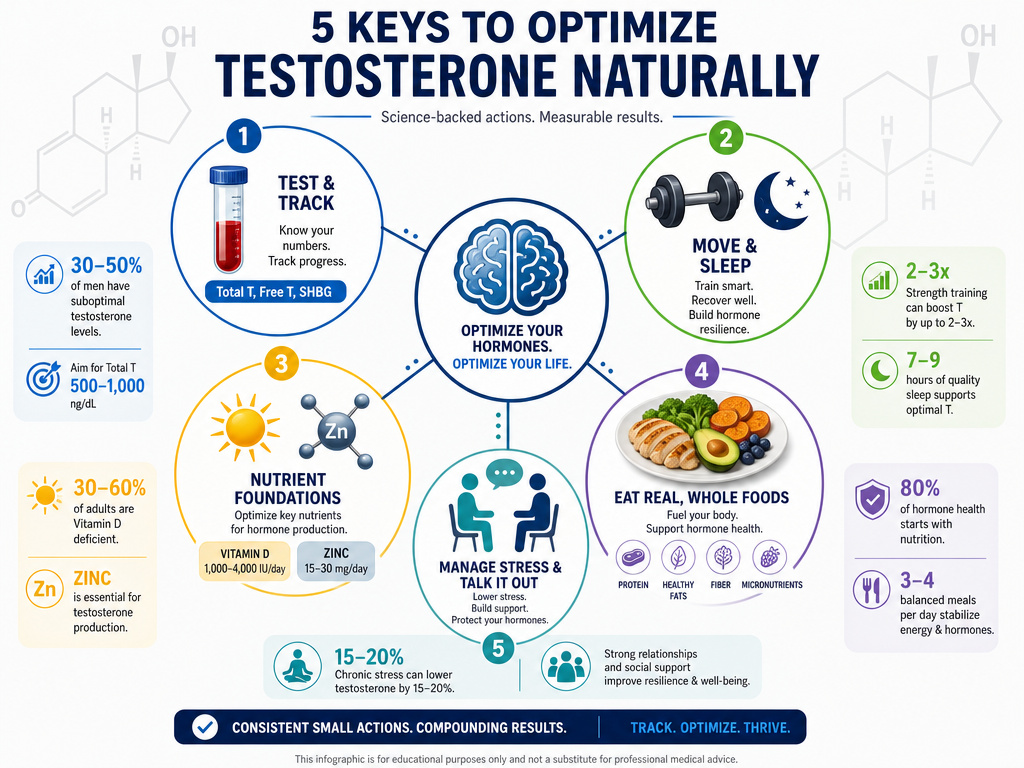
- Get the Right Labs (But Interpret Them Correctly). If you’re symptomatic, a full hormone panel is more useful than a single test. This should include Total Testosterone, Free Testosterone, and SHBG. Remember, a total T at the bottom of the range with sky-high SHBG is a different problem than the same total T with low SHBG. This context is everything.
- Audit the Fundamentals First. Before considering any intervention, address sleep, nutrition, and exercise. Poor sleep crushes testosterone and impairs the brain’s glymphatic system, which clears metabolic waste. Aim for 7-8 hours of quality sleep. Strength training is one of the most potent natural stimulators of testosterone production and also boosts BDNF.
- Check Key Nutrient Status. Two are non-negotiable:
- Vitamin D: Acts like a hormone and is crucial for testosterone synthesis and neuroprotection. Low levels are linked to both low T and cognitive decline.
- Zinc: An essential cofactor for testosterone production. A deficiency can directly lower levels, but excess doesn’t help and can disrupt copper balance. (I looked up the zinc math on oysters, they “work” because they fix a deficiency, not through magic).
- Manage Metabolic Health. Insulin resistance is a major driver of both low testosterone (by increasing SHBG and inflammation) and dementia risk (via vascular damage and inflammation). A whole-foods diet that controls blood sugar is a two-for-one investment.
- Discuss, Don’t Self-Prescribe. Take your concerns, symptoms, and lab results to a knowledgeable healthcare provider. The goal is a shared investigation into root causes, not just a prescription. A doctor will want to rule out sleep apnea, thyroid issues, and other conditions before ever discussing testosterone.
This approach supports the systems that make testosterone and protect the brain. It’s slower than a pill, but it addresses the actual soil in which both hormone health and cognitive health grow.
Does Androgen Deprivation Therapy (ADT) for Prostate Cancer Increase Dementia Risk?
The biological mechanisms that might link low testosterone to brain health could apply here. Men undergoing ADT should be aware of this potential risk and discuss cognitive monitoring with their healthcare provider. Maintaining overall brain health through lifestyle factors may be a practical consideration during and after treatment.
How Are Diabetes, Metabolic Health, and Testosterone Connected to Dementia Risk?
However, poor metabolic health is a known risk factor for both low testosterone and dementia. Focusing on improving metabolic health through diet and exercise is a practical step that may support healthier testosterone levels and protect brain function.
Frequently Asked Questions
Can low testosterone cause brain fog?
Yes, it’s one of the most common cognitive symptoms. Men with low T frequently report poor concentration, mental fatigue, and memory lapses, the hallmarks of brain fog. This is thought to stem from reduced energy metabolism in brain cells and altered neurotransmitter activity. Improving testosterone levels in deficient men often clears the fog, which is different from treating dementia.
What are the major causes of dementia?
Major modifiable risk factors for dementia include cardiovascular conditions. Prioritizing heart and metabolic health is an important dementia-prevention strategy.
Does testosterone therapy prevent dementia?
No, current evidence from clinical trials does not support using testosterone therapy (TRT) to prevent dementia. TRT is a treatment for specific symptoms of deficiency, not a preventive brain-health supplement.
What is the difference between bioavailable and total testosterone?
Total testosterone measures all the hormone in your blood, both active and bound. Bioavailable testosterone measures only the “free” hormone plus the portion loosely bound to albumin, the fraction that is actually able to enter cells and exert an effect. For brain health, bioavailable or free testosterone may be more relevant than the total number, as it reflects what’s accessible to neurons.
Are women at risk from low testosterone and dementia?
The research is far less clear for women. Women produce testosterone in their ovaries and adrenal glands, but at much lower levels. Some studies suggest a possible protective role for testosterone in women’s cognitive aging, but the evidence is inconsistent and complicated by menopause. It is not currently a major focus of preventive guidelines for women’s brain health.
Before You Go
The data is convincing: men with consistently low testosterone levels face a measurably higher risk of dementia later in life. The hazard ratios from the UK Biobank and other studies, ranging from 1.4 to 2.3, are significant enough to take seriously.
But the practical path forward isn’t hormone replacement. It’s holistic support. Low testosterone in these studies is less a standalone villain and more a warning light on your body’s dashboard, signaling issues with metabolic health, inflammation, and vascular function. Chasing the number with therapy without fixing the underlying engine likely won’t protect your brain.
Your most powerful move is to treat the foundations. Prioritize sleep quality, manage stress, engage in regular resistance training, and optimize your vitamin D and zinc status through diet or targeted supplementation. These actions support healthy testosterone production and are independently, powerfully protective for your brain. They address the shared root of the problem, which is always where the most effective and lasting solutions are found.
