
Does Minoxidil Affect Testosterone? What the Studies Show
This post contains affiliate links. As an Amazon Associate, we earn from qualifying purchases.
Minoxidil does not directly lower systemic testosterone levels in men, according to a 2024 randomized controlled trial. However, a 2023 systematic review of animal studies suggests minoxidil may act as a hormone disruptor, causing oxidative stress in reproductive tissues. The key distinction is between a direct, measurable change in serum testosterone (not seen in humans) and potential indirect effects on hormone-sensitive tissues.
That gap between direct serum levels and tissue-level disruption is where the whole confusion lives. Most men taking minoxidil for hair loss want a straight yes or no on their hormone panel. The human clinical data says no change. The preclinical animal models raise a yellow flag. You can’t ignore either one.
What follows: a breakdown of the conflicting evidence, the one population where minoxidil’s side effects might be a benefit, and how to think about this if you’re watching your own hormone health.
Key Takeaways
- A 2024 human RCT found no significant change in serum testosterone levels for people using sublingual minoxidil.
- A 2023 review of animal studies concluded both minoxidil and finasteride “act as hormone disruptors,” causing testicular stress.
- Minoxidil’s primary job is to wake up hair follicles, not block androgens like finasteride does.
- For transgender men on testosterone therapy, increased body hair from minoxidil may be perceived as beneficial for masculinization.
- If you stop minoxidil, expect progressive hair loss within 12 to 24 weeks, the treatment effect is not permanent.
The Core Evidence from Human and Animal Studies
You need to look at two very different types of research to get the full picture. Human clinical trials measure what happens in the blood of living people. Animal and lab studies let researchers look inside cells and organs to see mechanisms that are harder to spot in a clinic.
The Technical Snippet: Minoxidil is a potassium channel opener and vasodilator. Its primary mechanism for hair growth involves shortening the telogen (resting) phase of the hair cycle and prolonging the anagen (growth) phase. It does not inhibit the 5-alpha reductase enzyme, which is responsible for converting testosterone to DHT, the androgen directly implicated in genetic hair loss.
The 2024 randomized controlled trial is the most direct human evidence we have. Researchers gave transgender men on testosterone therapy either a placebo or sublingual minoxidil at 1.35 mg twice daily for 24 weeks (with an open-label phase using 2.5 mg twice daily). They measured serum testosterone as a primary safety endpoint. The result? No significant differences in serum testosterone levels between the groups. This study is crucial because it actively looked for a hormonal impact in a population undergoing hormone therapy and found none.
Now, look at the 2023 systematic review published in Toxicology. It analyzed all available in vitro (lab) and in vivo (animal) evidence on finasteride and minoxidil. Its conclusion is stark: both drugs “act as hormone disruptors” in murine models, inducing oxidative stress and causing morphological changes in testicular tissues. This is a preclinical warning signal, it doesn’t prove the same happens in humans at topical doses, but it identifies a potential risk pathway that human blood tests might miss.
So we have a direct contradiction in the conclusions. The human trial says no effect on the hormone we can easily measure when you ask does minoxidil affect testosterone. The animal review says there’s disruptive activity at the tissue level. Which one matters more for you? The human data is more directly applicable, but the mechanistic animal data suggests we shouldn’t be complacent. It’s a classic case of clinical reality versus biological possibility.
Minoxidil vs. Finasteride: Two Completely Different Mechanisms
This is the most common mix-up. People hear “hair loss treatment” and lump minoxidil and finasteride together. Their jobs are fundamentally different, and so are their potential hormonal footprints.
Finasteride is a 5-alpha reductase inhibitor. It works by blocking the enzyme that converts testosterone into dihydrotestosterone (DHT). Since DHT is the main hormone that shrinks sensitive hair follicles in male pattern baldness, reducing it can slow or stop hair loss. This action directly interferes with an androgen pathway. It’s why finasteride can sometimes cause sexual side effects and is contraindicated for transgender men on testosterone therapy, it can interfere with the masculinization process.
Minoxidil is a vasodilator and potassium channel opener. Think of it as a fertilizer, not a weed killer. It doesn’t block DHT. Instead, it improves blood flow to the follicle and shifts hairs out of the resting phase and into the growth phase. A famous animal study by Mori and Uno showed it could shorten the telogen phase in rats to 1 to 2 days compared to approximately 20 days in untreated rats. Its job is to wake follicles up, not to protect them from androgens.
Where this goes sideways: Assuming minoxidil works like finasteride. If your hair loss is primarily driven by high DHT sensitivity, minoxidil alone is like watering a plant that’s being poisoned at the roots. It might help for a while, but it’s not addressing the core issue of DHT and hair loss.
This mechanistic difference is why the question “does minoxidil affect testosterone?” is almost asking the wrong thing. The more precise question is: “Does minoxidil, through its unique mechanism, create unintended ripple effects in the endocrine system?” The animal data suggests it’s possible. The human serum data hasn’t caught it yet.
| Aspect | Minoxidil | Finasteride |
|---|---|---|
| Primary Mechanism | Vasodilator; shortens hair resting phase | 5-alpha reductase inhibitor; blocks DHT production |
| Direct Effect on Testosterone | None shown in human serum studies | Increases serum testosterone slightly (by blocking conversion) |
| Effect on DHT | None | Dramatically reduces levels |
| Hormonal Pathway | Not androgen-based | Directly interferes with androgen metabolism |
| Common Use Case | Hair growth stimulant for various types of loss | Treatment for androgenetic alopecia (genetic balding) |
What About Side Effects Like Erectile Dysfunction?
Forum threads are full of men reporting sexual side effects after starting minoxidil. It’s a real concern that deserves a straight look, not dismissal.
First, the obvious: correlation isn’t causation. Starting a hair loss treatment often happens during periods of higher stress or aging, which are themselves major factors in sexual health. It’s easy to blame the new pill or bottle.
Second, we have to separate topical from oral use. Topical minoxidil, especially the foam, has a very low systemic absorption rate. The 2019 review notes that only 5% of patients using 5% minoxidil foam reported scalp irritation after 52 weeks. Oral or sublingual minoxidil, which delivers the drug directly into the bloodstream, has a much higher incidence of side effects like hypertrichosis (excess body hair) and, theoretically, a greater chance of systemic issues.
The 2023 animal study suggesting endocrine disruption provides a plausible, if unproven, biological pathway for such side effects. If minoxidil causes oxidative stress in reproductive tissues, it could manifest as sexual dysfunction in a subset of sensitive individuals, even without changing serum testosterone. This is the gap in human research, we don’t routinely biopsy testicular tissue in clinical trials.
If you experience new sexual side effects after starting minoxidil, especially the oral form, it’s worth discussing with your doctor. The solution isn’t to panic, but to consider it a data point. Could it be the minoxidil? Possibly. Is it a guaranteed, common effect? The human trial evidence says no.
Special Populations: Transgender Men and Hormone Therapy
This is where the story gets interesting. The 2024 RCT that found no testosterone impact was conducted specifically on transgender men undergoing testosterone therapy. For this group, the calculus around minoxidil’s “side effects” flips.
Systemic anti-androgens like finasteride are usually off the table for these patients because they directly counter the desired masculinizing effects of testosterone therapy. Minoxidil, which doesn’t lower testosterone, presents a compatible alternative for treating hair loss. A noted side effect of systemic minoxidil, increased facial and body hair (hypertrichosis), may be perceived as promoting masculinization and beneficial in this context.
It’s a perfect example of how “side effect” is a value-neutral term that depends entirely on the patient’s goals. For a cisgender man worried about a hairy back, it’s a downside. For a transgender man seeking a more masculine appearance, it can be a welcome bonus. This population highlights that the question of hormonal impact isn’t just about biochemistry; it’s about the individual’s entire hormonal landscape and personal aims.
Practical Advice If You’re Worried About Hormones
Now, moving from theory to action. If you’re considering minoxidil and hormone health is a priority, here’s a short, practical protocol.
- Get a Baseline. Before you start any treatment, get a standard hormone panel. This should include total testosterone, free testosterone, DHT, and SHBG. It costs a couple hundred dollars and gives you a factual starting point. You can’t know if something changed if you don’t know where you began.
- Choose Topical First. Unless prescribed by a doctor for a specific reason, start with a 5% minoxidil foam. Its low systemic absorption minimizes the theoretical risk of any systemic hormonal interaction. The foam formulation also reduces the risk of contact dermatitis from propylene glycol found in some solutions.
- Monitor Subjectively. Keep a simple journal. Note your energy, mood, libido, and any other personal metrics weekly. Your subjective experience is data. If you notice a sharp negative shift that coincides with starting the treatment, pay attention.
- Re-test at 6 Months. If you want concrete evidence, re-run the same hormone panel after 4-6 months of consistent use. Compare it to your baseline. For the vast majority, the numbers won’t have budged. If they have, you have a factual basis for a conversation with your doctor.
- Know the Exit Ramps. Stopping minoxidil has one very predictable effect: you’ll lose the hair it helped you grow. The 2019 review states that termination leads to progressive hair loss within 12 and 24 weeks. This isn’t a hormonal crash; it’s the follicles returning to their natural, untreated cycle. Have a plan for what happens if you choose to stop.
Worth knowing before you start: Minoxidil isn’t your only option. For genetic hair loss, the mechanism of testosterone conversion to DHT is the real target. This is where oral hair loss medications like finasteride or dutasteride vs finasteride come in, but they carry a different and more direct hormonal profile.
Does minoxidil block the androgen receptor?
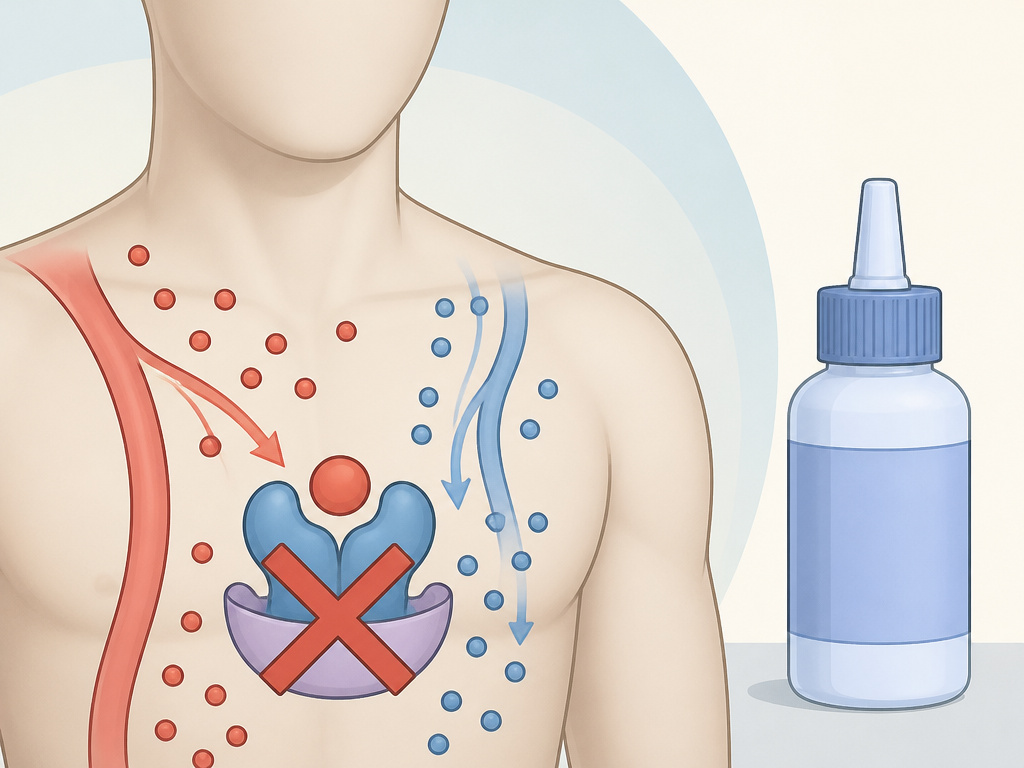
Research on minoxidil’s direct interaction with the androgen receptor in humans is limited. The most relevant human trial, a 2024 RCT, found that sublingual minoxidil did not significantly alter serum testosterone levels in patients. Since the androgen receptor’s primary function is to be activated by hormones like testosterone, a lack of systemic hormone change suggests minoxidil does not act as a strong blocker or activator of this receptor in the bloodstream. For practical guidance, this indicates minoxidil’s hair growth mechanism operates largely independently of the androgen signaling pathway that drugs like finasteride target.
Does minoxidil affect enzymes like 5α-reductase?

The evidence here comes from different research angles. A 2023 systematic review of animal studies suggested minoxidil may act as a hormone disruptor, which could theoretically involve enzymes that process testosterone. However, direct human clinical evidence does not support a significant impact. The 2024 human RCT specifically measured serum testosterone, a key indicator of changes in hormone metabolism, and found no significant differences with sublingual minoxidil use. This human data suggests that if minoxidil does interact with enzymes like 5α-reductase, the effect is not substantial enough to alter overall testosterone levels in the body.
Frequently Asked Questions
Can minoxidil lower your testosterone?
Sources disagree on this point. A 2024 randomized controlled trial found no significant differences in serum testosterone compared to a placebo group. However, a 2023 systematic review of animal studies concluded both minoxidil and finasteride ‘act as hormone disruptors,’ suggesting potential tissue-level effects not measured by serum tests.
Does minoxidil cause erectile dysfunction?
It is not a common or well-documented side effect of topical minoxidil in clinical studies. However, individual reports exist. Oral/minoxidil has a higher risk of systemic side effects. If you experience ED after starting minoxidil, consult your doctor to rule out other causes and discuss alternatives such as approaches to lower DHT naturally.
What happens after 2 years of minoxidil?
Your hair will remain in the growth phase as long as you continue treatment. If you stop, you will lose the hair that minoxidil helped maintain. Research shows this progressive loss happens within 12 to 24 weeks of cessation. There is no evidence that long-term use causes testosterone levels to drift up or down over years.
Does minoxidil age you faster?
There is no credible evidence that minoxidil accelerates systemic aging. A possible local side effect is increased facial aging if the solution drips and causes unwanted facial hair or mild irritation, but this is a topical issue, not a systemic hormonal aging effect.
The Bottom Line
Here is what actually worked for me when parsing the research: trust the human serum data for the big picture, but respect the mechanistic animal data as a cautionary note.
For 99% of men using topical minoxidil, the answer to the does minoxidil affect testosterone question is a reassuring no. The 2024 RCT is strong evidence. But if you’re the type who gets every rare side effect, or if you’re using high-dose oral minoxidil, the 2023 review suggesting endocrine disruption is a reason to be observant, not paranoid.
Change one thing at a time. If you start minoxidil, don’t start three other new supplements that month. Give your body a clean signal. If your libido or energy shifts, you’ll have a better idea why. And before you worry about minoxidil’s hypothetical impact, get your actual levels checked, knowing the relationship between testosterone levels and hair loss is far more powerful than fearing a side effect that likely isn’t there.
